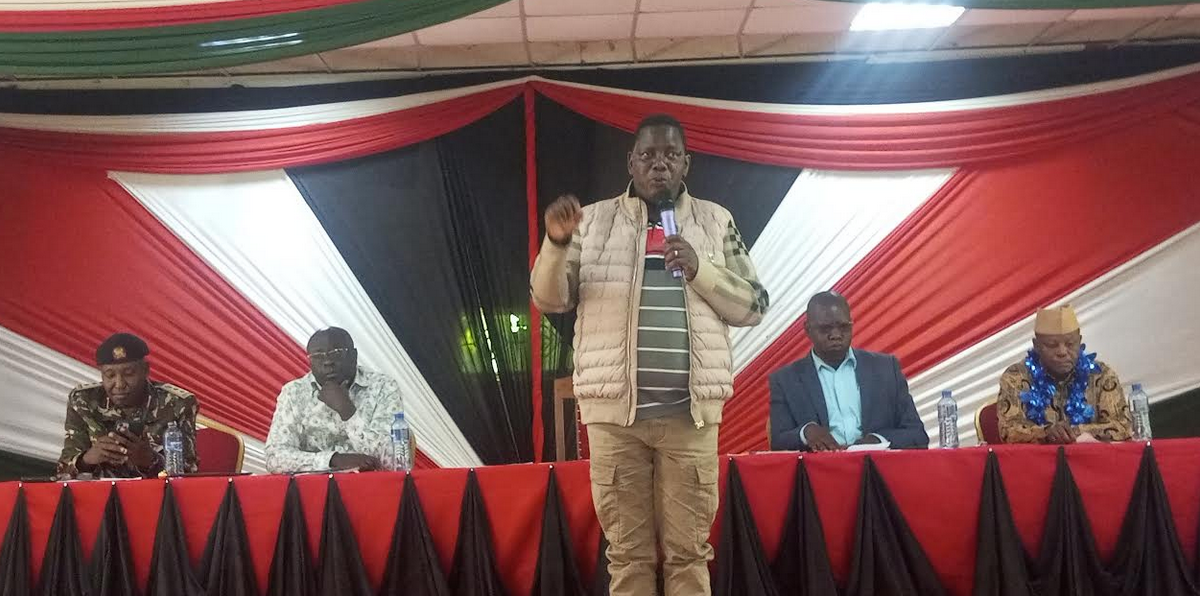
Residents of West Pokot County wants increased budgetary allocation to address poor infrastructure and underdevelopment in marginalized region in the 2026/2027 national budget estimates.
They told the public hearing conducted by the National Assembly Budget and Appropriations Committee at Mtello Hall in Kapenguria town, that the current allocation was insufficient to cover the challenges affecting the remote county.
Local leaders and key stakeholders presented memorandum outlining urgent development priorities including poor road networks, lack of electricity, inadequate water supply, shortage of health facilities, unemployment among youths and insufficient government support for hard-to-reach areas of the county.
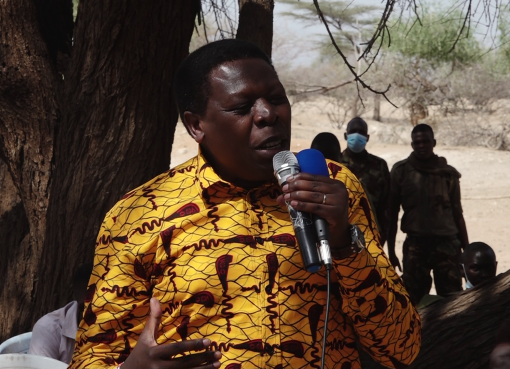
The exercise was led by Endebese Member of Parliament (MP), Dr. Robert Pukose, who serves as the Vice-Chairperson of the Budget and Appropriations Committee.
He commended residents for turning up in large numbers to participate in the budget-making process, describing public participation as a constitutional right that gives citizens a voice in national development planning and allocation of public resources.
Dr. Pukose noted that the Constitution of Kenya 2010 empowers citizens to take part in decision-making processes affecting their communities and emphasized that all views collected during the forum would be considered by the committee while preparing the 2026/2027 financial estimates.
He said many residents from marginalized areas had expressed concerns over continued underdevelopment despite repeated appeals for support in previous budget cycles.
According to the residents, some areas still lack reliable roads, electricity connectivity, access to clean drinking water, and properly equipped medical facilities, making life difficult for local communities.
The Legislator explained that the current budgeting process differs significantly from previous administrations because of devolution, where resources are shared between the national and county governments.
He recalled that during the administration of former President Mwai Kibaki, the country operated under one national government budget, before the introduction of county governments under the devolved system.
Dr .Pukose stated that after the introduction of county governments, funds began being shared between the National government and County governments to support grassroots development.
He added that the government of President William Ruto, has continued to implement various development projects across the country and should not be unfairly compared to previous regimes.
Pukose further pointed out that public participation is a continuous process and recalled that some projects proposed during earlier forums in 2022 were not implemented because of challenges that merged following the rejection of the Finance Bill,which affected government revenue collection and budget implementation.
Dr.Pukose disclosed that the Budget and Appropriations Committee is conducting Public Participation exercises in 26 counties across the country, particularly targeting counties that have historically faced marginalization and underdevelopment.
He explained that such counties benefit from equalization Fund, which is meant to support development in neglected areas.
However, he raised concerns over the utilization of Equalization Funds, alleging that some County governments have not been transparent in managing the resources.
According to him, there have been cases where projects funded through the Equalization Fund are also allocated money under the County government budgets, resulting in double allocation of funds while projects remain incomplete or are never implemented.
He called for proper coordination between the national government, county governments, Members of Parliament, and the office of the County Commissioner to ensure the funds are utilized effectively and reach intended beneficiaries.
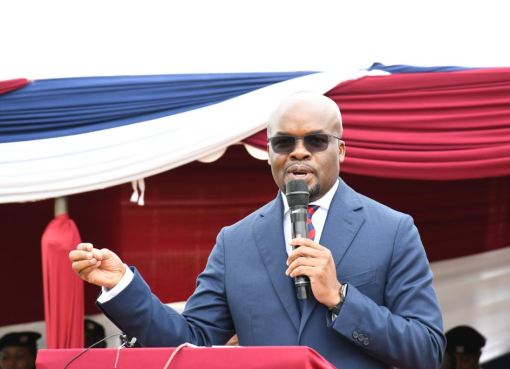
Kapenguria Member of Parliament, Samuel Chumel Moroto, thanked residents for attending the forum and actively contributing to discussions on development priorities.
He emphasized that public participation promotes transparency, accountability, and fairness in the distribution of public resources.
Moroto noted that members of the public have a constitutional right to contribute to the budget making process and even reject projects they feel do not address their needs.
He encouraged local communities to continue participating in future forums so that their priorities can shape development agendas in their respective areas.
Kacheliba Member of Parliament, Titus Lotee, called for urgent intervention in marginalized parts of the county, saying Kacheliba Constituency remains one of the areas requiring significant government support.
Lotee said similar concerns had been raised during previous budget participation forums, but many of the proposed projects were never implemented.
He appealed to the Budget and Appropriations Committee, to ensure that the needs of residents from marginalized parts of the county are prioritized in the upcoming budget.
The MP highlighted several challenges facing residents, including poor roads, lack of clean water, inadequate healthcare facilities. Limited educational opportunities, and high levels of unemployment among youth in the county.
He particularly cited the stalled construction of the Akiriamet Bridge in the Alale area of Pokot North, saying the bridge has continued to endanger the lives of the local residents for years due to inadequate funding allocations.
According to Lotee, residents have repeatedly requested the construction of the bridge because it would improve transport and enhance economic activities in the region. However, the constituency continues to receive limited funds, making it difficult to complete critical infrastructure projects.
He also lamented that several roads projects in the County have consistently received budget allocations from the national government over years, yet little or no work has been done on the ground.
Khwisero Member of Parliament, Christopher Aseka Wangaya, who is also a member of the Budget and Appropriations Committee, thanked the people of West Pokot for participation in the exercise and assured them that their concerns would be analyzed once committee reconvenes in parliament.
Wangaya stressed the importance of civic education to help members of the public understand the difference between the responsibilities of the national government and those of county governments.
He explained that healthcare services are largely devolved functions managed by county governments and urged county officials to organize more public participation forums on county budgets to help residents understand how county funds are allocated and utilized.
The MP said many residents raised concerns over poor road infrastructure, lack of water, electricity shortages, and difficulties faced by youths in accessing the Youth Enterprise Fund.
According to Wangaya, youths from remote parts of the County are unable to benefit from the fund because offices are allocated in Kapenguria town, making access difficult due to long distances and poor terrain.
He raised concerns about the operations at Kapenguria County Referral Hospital, Particularly regarding the implementation of services under the Social Health Authority (SHA).
Wangaya claimed that it is sad to note that patients seeking treatment at night are sometimes informed that SHA systems are offline and are, therefore, forced to pay cash to access medical services.
He called on authorities to investigate the matter and ensure that residents can access SHA services at all hours without interruption.
The MP further appealed for increased government funding for cultural activities in the county. He said there was a need for more resources to support the upgrading of the Kapenguria Six Museum and promote Pokot Cultural heritage and tourism.
Residents who attended the forum urged the National government to ensure equitable distribution of resources so that marginalized communities can benefit from development like other parts of the country.
Many said improved roads, water projects, electricity connectivity, schools and healthcare services would significantly improve livelihoods and reduce poverty levels in the region.
The County Commissioner, David Saruni and other leaders assured residents that all memoranda and recommendations submitted during the public participation exercise, would be considered in the preparation of the National Budget estimates for the 2026/2027 Financial Year.
By Anthony Melly