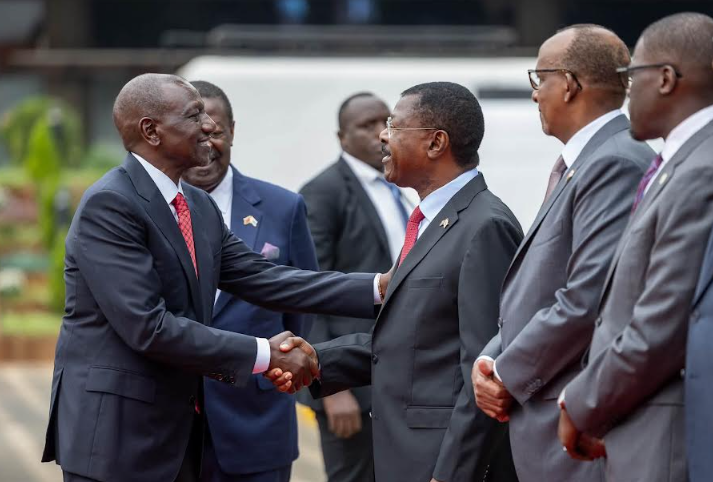
National Assembly Speaker Moses Wetangula has assured that Parliament will continue supporting reforms in Kenya’s health sector while ensuring prudent use and accountability of public funds allocated to healthcare.
Speaking at the Kenya Health Summit 2026, Wetangula said Parliament would discharge its constitutional mandate of legislation, appropriation, and oversight to ensure Kenyans derive value from investments in the health sector.
He disclosed that the ongoing reforms had been anchored on legislation passed by Parliament in 2023, describing the four health laws enacted that year as among the most consequential pieces of social legislation since independence.
“Parliament shall always ensure that any person or entity entrusted with the management of public resources is accountable,” Wetangula emphasised.
Further, the Speaker highlighted that Parliament had passed the Primary Health Care Act, Facility Improvement Financing Act, Digital Health Act, and Social Health Insurance Act in 2023, following extensive consideration and debate.
He noted that the Primary Health Care Act established a legal framework for delivery and management of primary health care through primary healthcare networks while giving community health promoters a statutory footing.
The Facility Improvement Financing Act, he said, allows public health facilities to retain and manage revenue they generate, while the Digital Health Act established the Digital Health Agency and provided for an integrated health information system and protection of personal health data.
In addition, Wetangula pointed out that the Social Health Insurance Act established three public funds covering primary healthcare, social health insurance, and emergency, chronic, and critical illnesses.
He mentioned that the reforms were necessary to address longstanding challenges in the country’s health system, including financial burdens on families seeking treatment.
“Whenever you speak to any member of Parliament, you will always hear the same story, desperate families calling at midnight about hospital emergencies and their attendant bills,” he said.
Meanwhile, Wetangula observed that more than 30 million Kenyans were now registered under Universal Health Coverage, compared to about eight million under the former National Hospital Insurance Fund (NHIF), saying the figures demonstrated the scale of the reforms.
He, however, affirmed that Parliament remained concerned about disparities in the distribution of health professionals between urban and rural areas and called for rationalization of the workforce to ensure equitable access to healthcare.
The speaker also urged greater emphasis on preventive and Promotive healthcare, including regular check-ups, nutrition, immunization, counseling, and fitness, to reduce the cost of treating preventable illnesses.
He further called for stronger measures against fraud and misuse of healthcare funds, including ghost facilities and unlawful charges against patients.
“We will remain open and ready to support the Government with continuing legislative reforms to better existing laws and regulations and to give full meaning to health-related provisions in our constitution,” Wetangula reaffirmed.
He assured the summit that Parliament would appropriate funds for the health sector within available national resources and work with the Auditor-General to ensure the funds are properly utilised.
By Zipporah Odionyi and Nancy Omondi