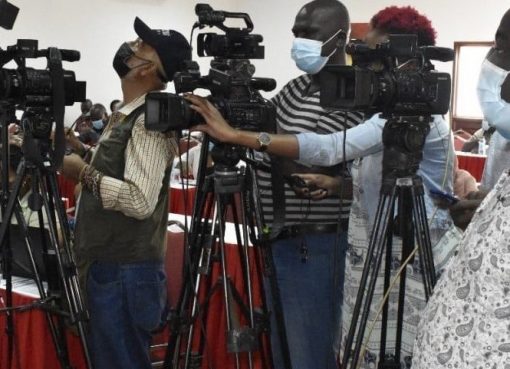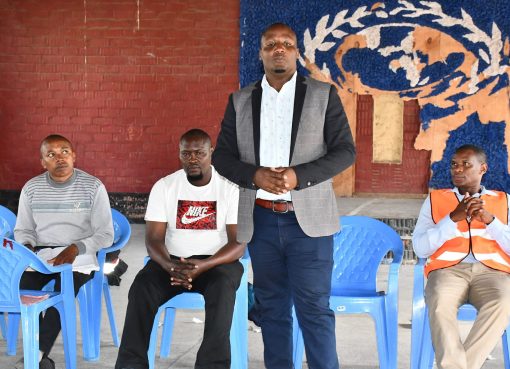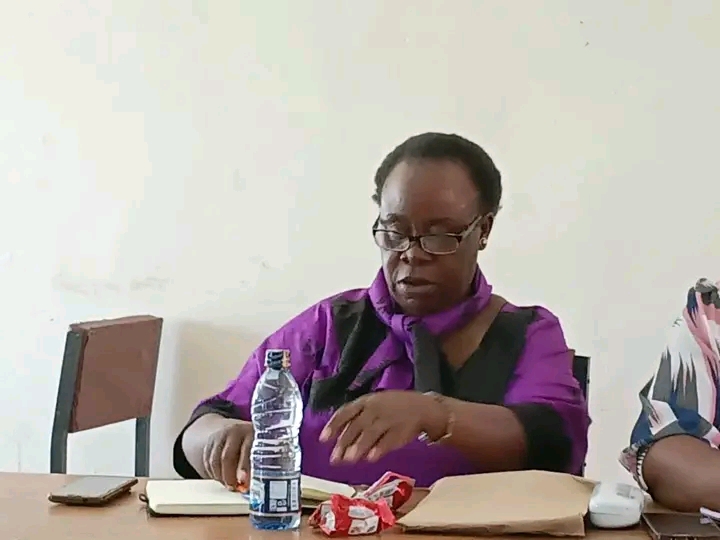
Gender actors from various organizations in Migori County have called for increased sensitization on harmful cultural practices and sexual and gender-based violence (SGBV) among the Kuria community.
The call was made during a stakeholders’ meeting convened by Migori Community Traditional Negative Practice Mitigation Organization (MICONTRAP) in Mabera Sub County, Migori County.
MICONTRAP is a community-based organization that fights harmful cultural practices such as female genital mutilation (FGM), SGBV and early marriages. The organization also supports girls’ education and school retention, offers counselling services, conducts community sensitization and promotes the rights of women and children.
The meeting, aimed at sensitizing the Kuria community on harmful cultural practices and gender-related issues, brought together clan elders, health practitioners, children’s officers, religious leaders and local administration officials.
Speaking during the event, MICONTRAP chairperson Ms Coleta Boke said the programme mainly targets young people by educating them on sexual and gender issues to help them better understand themselves and contribute positively to national development.
“Our main goal through this program is to empower young people by educating them on sexual and gender issues so they can better understand themselves and actively contribute to the development of the country,” said Ms Boke.
She noted that community leaders work together with various groups involved in the programme to reach young people at different stages, adding that youth ambassadors use songs and stage performances to educate communities on the dangers of FGM.
Ntimaru Sub County Administrator Mr. Sianu Wambura observed that female genital mutilation persists due to resistance from sections of the community, creating a challenge between government officers and residents in efforts to reduce the practice.
He also cited national boundaries challenges in Ntimaru, noting that some perpetrators of violence against children escape to neighboring Tanzania after cases are reported.
Mr. Wambura further linked some cases of teenage pregnancy and incest to parental irresponsibility, saying inadequate housing arrangements force boys and girls to share sleeping spaces or engage in “sleep borrowing.”
“You find parents having lesser housing facilities whereby they put both boys and girls to sleep in one particular house,” he said.
According to Wambura, such conditions increase the risk of incest and teenage pregnancies. He added that once incest cases are reported, they are treated as defilement cases and legal action is taken against perpetrators.
Pastor Gilbert Chacha of Maranatha Church described sodomy as an abomination, saying the church strongly opposes the practice and continues to advocate for moral values and the protection of children within the community.
Assistant Chief of Kiegonga Sub-location in Mabera Sub County, Mrs Robi Wilkister, praised the programme, saying it has contributed to positive changes in the area, particularly on issues of FGM, children’s rights and education.
She noted that FGM and poverty remain key contributors to school dropout among children and urged parents to fully take up their responsibilities
“According to the Children’s Act 2022, parents must carry responsibilities equally and no one should be left out,” said Robi.
Mrs. Robi further stated that irresponsible sexual behavior among teenagers has become a growing concern and called for guidance, counselling, education and community support to help address the issue.
Meanwhile, the Children’s Officer for Mabera Sub County Mrs Janet Robi said cases of gender-based violence and female genital mutilation remain a major concern in Kuria communities.
She noted that while FGM was previously conducted openly through public celebrations and road dances, perpetrators have now shifted to secret night operations, making it difficult for authorities to detect and stop the practice.
By Faith Opar and Wendy Merryl