The government can still raise enough revenue to finance the 2026/2027 budget without placing an unbearable burden on wananchi if it embraces prudent taxation, seals corruption loopholes and expands untapped sectors of the economy.
As the country finalizes its budget and financing documents, economists and stakeholders are increasingly calling for a shift from punitive taxation to innovative revenue mobilization strategies that protect households and businesses already grappling with the high cost of living.
Financial analyst Peter Kimeli says the country has reached a point where increasing taxes on already compliant workers and businesses may yield diminishing returns while deepening public resentment.
“Many Kenyans are already heavily taxed through PAYE, VAT, fuel levies and other statutory deductions. The focus now should be on widening the tax base, improving efficiency in revenue collection and reducing wastage in public expenditure,” said Kimeli.
He noted that one of the biggest opportunities lies in the digital economy where thousands of online businesses and cross-border digital transactions remain largely untapped.
According to him, a fair and simplified digital tax framework targeting multinational technology firms and large online traders could generate billions without hurting ordinary citizens.
Kimeli further suggested that the government should aggressively invest in value addition in agriculture instead of relying heavily on taxation.
“Counties such as Nandi County have demonstrated that when farmers receive better prices, local economies grow and government revenues naturally increase through trade and consumption,” he added.
Budget expert Jane Chebet argued that sealing corruption loopholes and reducing leakages in procurement would save the country more money than imposing new taxes.
She said billions of shillings are lost annually through inflated tenders, ghost projects and tax evasion.
“If the government strengthens accountability systems and digitizes procurement processes, it can significantly reduce wastage. Citizens are more willing to pay taxes when they see value for money,” said Chebet.
She proposed the introduction of stronger measures to bring the informal sector into the tax bracket through affordable and simplified licensing models rather than harassment and punitive penalties.
Chebet also pointed to idle public land and dormant state assets as potential revenue streams.
She said strategic leasing of unused government properties, modernization of public markets and proper management of natural resources could raise substantial income.
In the energy sector, experts say investment in renewable energy and reduction of fuel import dependence would ease pressure on foreign exchange reserves while lowering the need for excessive fuel levies.
Economic researcher Stephen Rutto observed that promoting local manufacturing and reducing importation of goods that can be produced locally would not only create jobs but also increase government revenue through industrial growth.
“We need policies that stimulate production instead of overtaxing consumption. When industries expand, more people get employed and the tax base automatically widens,” said Rutto.
Stakeholders are also urging the government to strengthen partnerships with counties to unlock regional economic potential in sectors such as agribusiness, mining, tourism and blue economy activities.
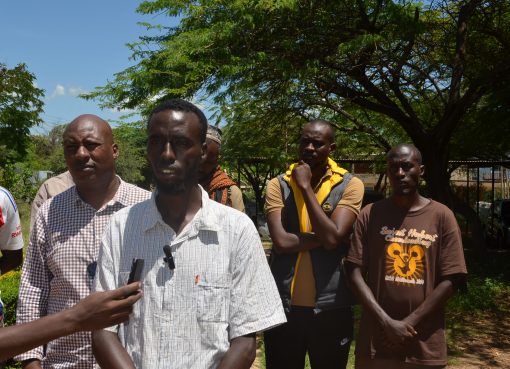
Residents in Tinderet Sub County said the government should prioritize empowering farmers, youth and small enterprises through affordable credit and market access instead of introducing additional taxes.
Businesswoman Ruth Jepchirchir said small traders are struggling with multiple levies and unpredictable operating costs.
“What wananchi want is a conducive business environment. If businesses grow, the government will still collect more revenue without introducing painful taxes,” she said.
Analysts maintain that prudent spending, expansion of productive sectors and efficient revenue collection remain the most sustainable path toward implementing the 2026/2027 budget without overburdening Kenyans.
by Sammy Mwibanda