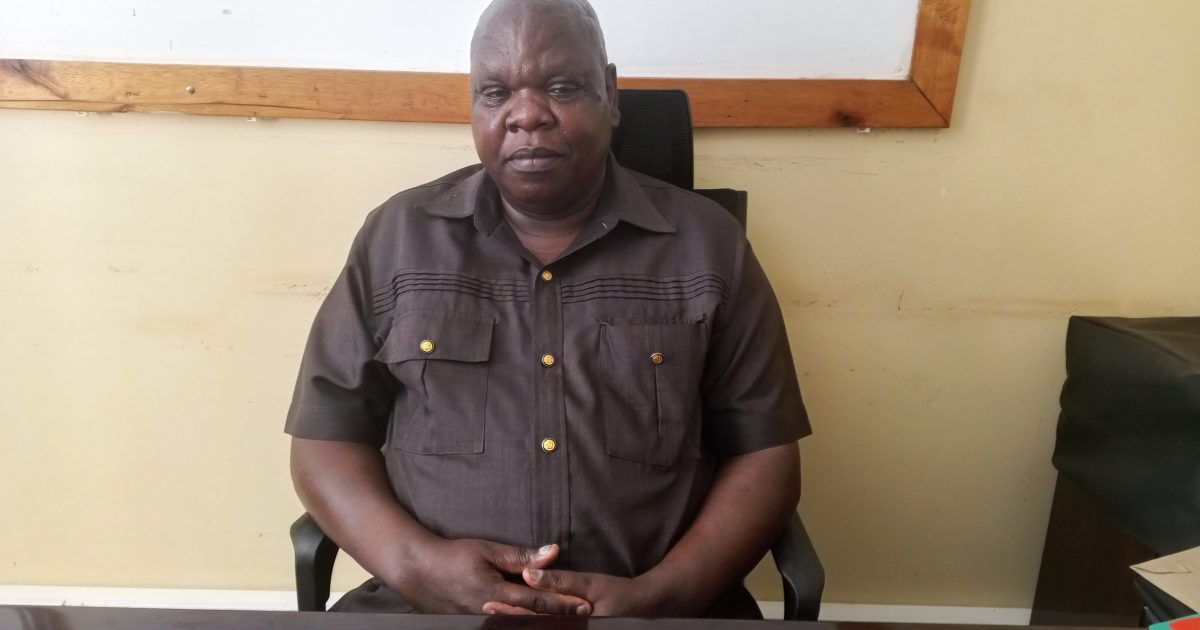
The Homa Bay County Director for Adult Education, Samson Owino, has called for enhanced dialogue between students and school administrations as a key strategy for preventing unrest in learning institutions.
Speaking on Wednesday in his office, Owino emphasized that the primary purpose of education is to equip learners with knowledge, skills and values that will help shape their future and the future of their country.
He noted that many cases of student unrest stem from concerns related to food, examinations and other welfare issues.
According to the director, such matters should be addressed through open and constructive discussions between students and school administrators rather than through disruptive actions.
Owino urged schools to adopt democratic approaches that provide students with opportunities to express their views and grievances peacefully.
He said effective communication can help resolve challenges before they escalate into conflicts.
“Schools are a reflection of society, and learners should appreciate the environment in which they study while working towards making it better,” he said.
The education official also observed that some students expect the same level of comfort and welfare they enjoy at home, yet schools often operate under different circumstances and within available resources.
He expressed confidence in teachers’ ability to handle student concerns, noting that educators are professionally trained to listen, accommodate differing opinions and provide guidance whenever challenges arise.
Owino further stressed that education extends beyond academic achievement, saying schools play a crucial role in nurturing discipline, positive attitudes and good character among learners.
He encouraged students to embrace dialogue, appreciate their schools and engage in healthy competition while remaining focused on their studies.
The director added that mutual respect, effective communication and cooperation among students, teachers and school administrators are essential for maintaining peace and creating a conducive learning environment.
by Lucy Jotham and Sitna Omar