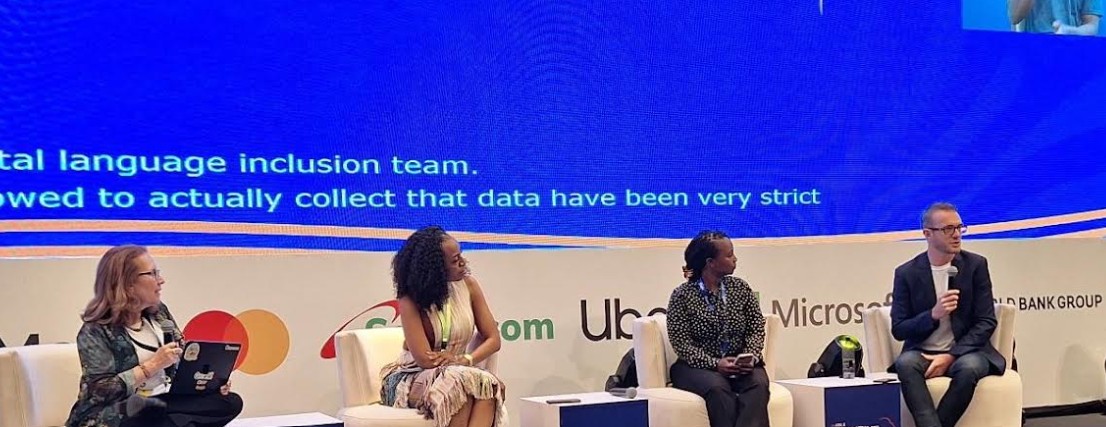
Advances in Artificial Intelligence (AI), digital accessibility, refugee inclusion, and early childhood interventions dominated discussions at a major disability inclusion conference held in Nairobi.
Technology experts, advocates, and development practitioners converged to share practical innovations aimed at improving the lives of persons living with disabilities (PWDs).
Speaking during a session on accessibility innovations, Mariah Moon, Accessibility Product Manager for Chromebook and Android devices at Google, outlined expansions targeting visual, mobility, and hearing impairments.
Ms Moon noted that for blind and visually impaired users, Android’s built-in screen reader, TalkBack, now integrates Gemini AI to generate detailed image descriptions and content summaries.
Moon noted that there are other upgrades which include magnification features allowing low-vision users to zoom content using a mouse and keyboard, Voice Access and Auto Click for hands-free phone control for users with arthritis and Expressive Captions through Live Transcribe, which captures emotional contexts like cheering or gasping across 80 languages offline.
In Workspace enhancements, Google Meet now features gesture recognition to trigger virtual hand-raises when a user raises a physical hand.
The conference also addressed deep systemic barriers in humanitarian settings, where delegates urged development partners to transition from using Organisations of Persons with Disabilities (OPDs) solely for community mobilisation to involving them as fully certified implementing partners.
Speakers highlighted the financial hurdles facing refugee entrepreneurs with disabilities, who frequently struggle to secure business permits and banking services due to strict documentation rules.
To counter this, Alex Gachahi, Project Manager for Humanity and Inclusion Kenya, called on county governments to host consultative dialogues and create local frameworks allowing alternative documentation, such as refugee identification cards, to be accepted by financial institutions.
Furthermore, he expressed concern over the exclusion of PWDs during climate-related disasters like floods, demanding that accessible communication systems and sensitive evacuation plans be built directly into early emergency design.
Shifting the focus to healthcare, delegates commended a successful early intervention model running in Kwale and Garissa counties that prioritises universal screening from birth.
“Every child should be screened, not only suspected cases of disability,” Gachahi emphasized. The initiative has already trained over 160 nurses and 330 community health volunteers, alongside establishing dedicated early intervention units and expanding audiology services.
A parallel presentation emphasized that supporting caregivers is central to sustainable disability services.
By establishing community networks and training groups in physical therapy and psychosocial support, the programme successfully reached over 407,000 caregivers and children, while distributing educational messages to 1.5 million more.
The conference concluded with a unified call for governments, technology providers, and development agencies to structurally embed disability inclusion across all future policy and technology designs.
By Paskal Osonga and Lilian Gichohi