As the country prepares to mark World Sickle Cell Day on June 19, health experts, patient advocates, and persons living with Non-Communicable Diseases (NCDs) are calling for increased awareness, early diagnosis, and equitable access to treatment to reduce preventable deaths associated with sickle cell disease (SCD).
The calls come amid growing concern over the burden of sickle cell disease in Kenya, where an estimated 14,000 babies are born with the condition annually, placing the country among countries with a high disease burden in Sub-Saharan Africa.
According to the Ministry of Health, approximately seven million people worldwide are living with sickle cell disease, while about 500,000 babies are born with this condition every year. More than 75 percent of these births occur in Sub-Saharan Africa, where many children die before diagnosis or access to life-saving treatment.
This year’s World Sickle Cell Day theme, “Closing the Survival Gap: Equity in Sickle Cell Disease,” highlights disparities in access to diagnosis, treatment, and comprehensive care, particularly in low-resource settings. Kenya’s national celebrations will be held in Busia County.
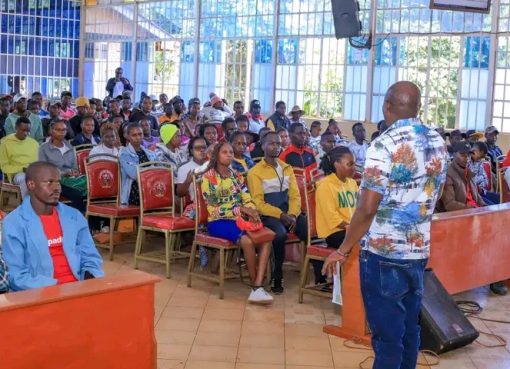
Speaking during a media and stakeholder sensitization forum ahead of the commemoration, the Ministry of Health’s Technical Lead for Sickle Cell Disease, Dr. Yvette Kisaka, said every child born with the condition deserves an equal opportunity not only to survive but also to live a healthy and productive life.
“Closing the survival gap means ensuring that every child born with sickle cell disease, regardless of where they live, has access to early diagnosis, quality treatment, and the opportunity to live a healthy life,” said Dr. Kisaka.
She noted that sickle cell disease remains a major contributor to childhood illness and mortality in Africa, where between 50 and 90 percent of affected children die before their fifth birthday. Health experts estimate that nearly 500 children die daily from the disease across the continent, many before receiving a diagnosis.
“Many of the deaths associated with sickle cell disease are preventable if diagnosis is made early and patients receive the recommended package of care,” she added.
Sickle cell disease is an inherited blood disorder that causes red blood cells to become misshapen, obstructing blood flow and leading to severe pain episodes, anemia, infections, stroke, organ damage, and other life-threatening complications.
The condition places a heavy burden on affected families. Children living with sickle cell disease often experience recurrent pain crises, frequent hospital admissions, missed school days, and long-term health complications.
Families are also forced to contend with the financial and emotional challenges associated with caring for a child with a chronic illness.
Dr. Kisaka says inadequate public awareness, persistent stigma and myths, limited newborn screening programmes, inadequate diagnostic services, shortages of trained healthcare workers, and financial barriers continue to contribute to poor outcomes among patients.
Health experts observe that while children born with sickle cell disease in high-income countries increasingly survive into adulthood due to early diagnosis and comprehensive care, many African children continue to die from preventable complications because of delayed diagnosis and limited access to treatment.
To address these challenges, the government has integrated sickle cell disease into the National Non-Communicable Diseases Strategic Plan and established technical working groups to coordinate response efforts.
The Ministry has also developed a comprehensive care model covering all levels of healthcare, from community-based awareness and screening programmes, to specialized treatment and research at referral hospitals.
Health officials have identified a minimum package of care for patients, including screening and diagnosis, vaccination, penicillin prophylaxis, malaria prevention, hydroxyurea treatment and monitoring, pain management, blood transfusion services, screening for complications, psychosocial support, transition care, and palliative care where necessary.
The government further plans to strengthen routine screening, improve access to essential medicines, build healthcare worker capacity, support patient groups, and promote research and data collection to guide policy decisions.
Meanwhile, health advocates are urging the media to play a greater role in amplifying the voices of people living with non-communicable diseases.
Speaking during a pre-World Sickle Cell Day Media Sensitisation Webinar, organised by Dr. Catherine Karekezi, Executive Director, NCD Alliance Kenya, who said effective advocacy must go beyond statistics and focus on the lived experiences of patients and their families.
“Non-communicable diseases are more than data. They affect real people, families, and communities, and their stories deserve to be told,” said Karekezi.
According to NCD Alliance Kenya, the Organization has established a nationwide advocacy structure comprising active member organizations, county chapters, national caucuses, technical working groups, and a media network of more than 45 trained journalists dedicated to NCD reporting.
The Alliance has also trained more than 170 journalists on NCD reporting, equipping them with skills to cover health issues accurately, ethically, and sensitively.
As national efforts to close the survival gap gain momentum, patients in Kwale County are calling for urgent interventions to improve access to specialized care and treatment services.
Members of the Kwale NCDs Support Group say patients continue to face numerous challenges, including limited access to specialized treatment, expensive diagnostic tests, and shortages of blood for transfusion services.
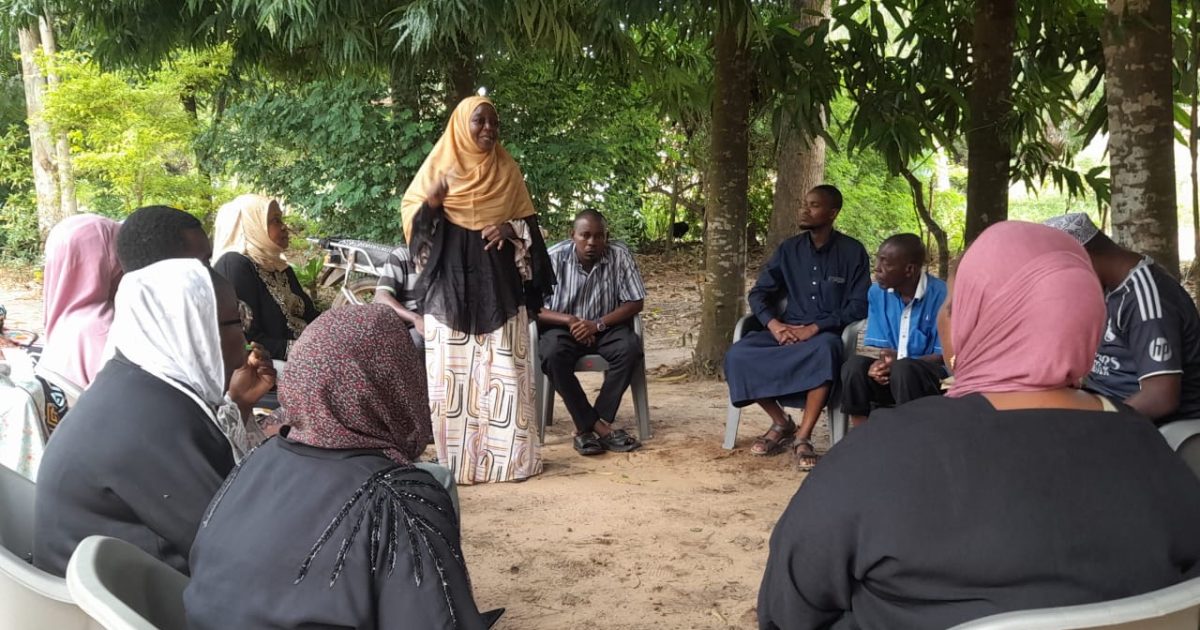
Speaking to the media in the Kombani area, the group’s secretary, Zuena Alfan, said the absence of a specialized sickle cell treatment centre in the county has forced many families to seek services outside the county at great financial cost.
“Sickle cell patients in Kwale continue to face enormous challenges because there is no specialized treatment centre in the county. Many families cannot afford the cost of tests, treatment, and traveling outside the county to seek care,” said Alfan.
She noted that the number of patients requiring specialised care continues to increase while access to services remains limited.
“We are appealing to the county government to support NCD patients through affordable medication and improved access to healthcare services,” she added.
The patients called on the county government to establish specialized treatment centres and provide free medication for NCD patients, like support programmes available for other chronic conditions.
Swalha Fadhili, who has lived with celiac disease throughout her life, urged the Chairperson of the Kwale County Assembly Health Committee, Tumaini Mwagawari, to sponsor legislation that would facilitate the establishment of specialized centres for managing celiac disease and other non-communicable conditions.
“Patients should not be forced to travel to neighbouring counties to access services that can be provided here in Kwale. We need a dedicated centre to support people living with celiac disease and other non-communicable diseases,” said Fadhili.
She said many patients are forced to incur additional transport and treatment costs while seeking specialized healthcare services outside the county.
The patients also appealed to the governor to prioritize the needs of people living with non-communicable diseases, saying many continue to struggle with the high cost of treatment amid difficult economic conditions.
For many families affected by sickle cell disease and other chronic illnesses, health advocates say closing the survival gap is not merely a policy objective but a matter of survival.
The Ministry of Health is also seeking to strengthen routine vaccination and prophylaxis programmes, institutionalize screening services, improve access to essential medicines, and establish stronger patient support groups to address stigma and promote treatment adherence.
In addition, efforts are underway to strengthen disease surveillance systems, establish patient registries, and improve data collection to guide policy formulation and resource allocation.
As Kenya marks World Sickle Cell Day, stakeholders are calling for stronger investments in awareness, early diagnosis, comprehensive care, and equitable access to treatment to ensure that no child or patient is left behind because of where they live or their ability to pay for healthcare.
“Closing the survival gap requires action from government, healthcare providers, communities, and development partners so that no patient is left behind,” said Dr. Kisaka.
By Chari Suche