Leading researchers, policymakers, practitioners, funders, and development partners are advocating for increased investment in research, innovation, and evidence-based policy solutions to improve health and development outcomes among children.
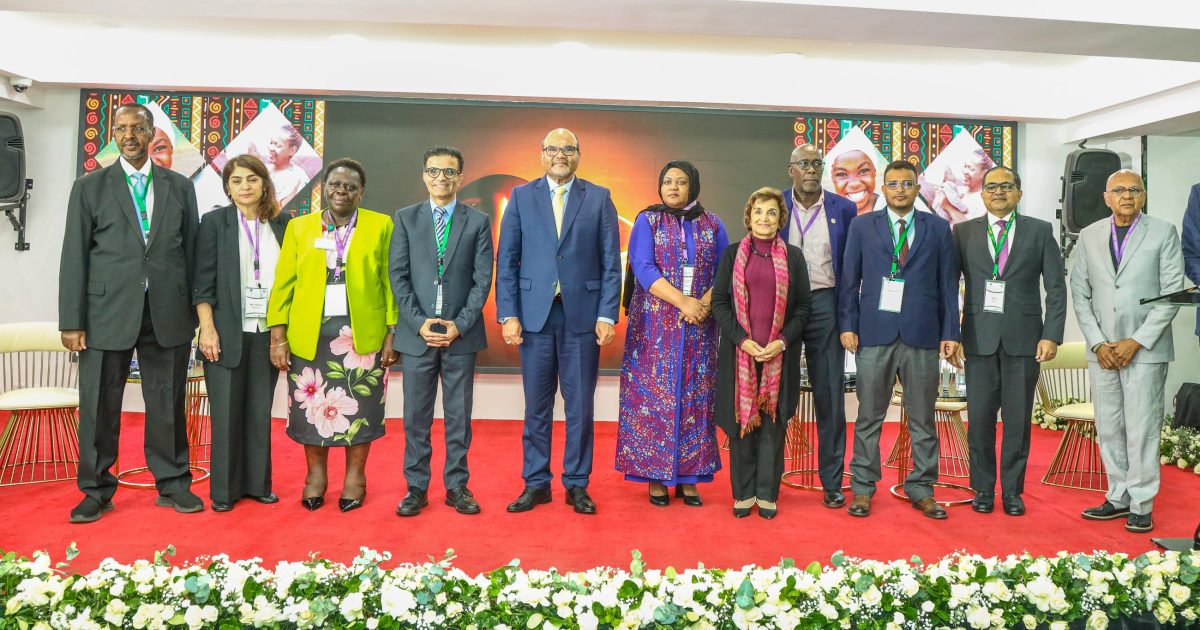
The call was made during the Aga Khan University’s Institute for Human Development (IHD) 10th anniversary celebrations, marked by an international conference themed ‘Unlocking Human Potential for Optimal Development Across the Lifespan: A Decade of Evidence, Innovation, and Policy Impact’ held in Nairobi from June 8–10, 2026.
The conference brought together stakeholders from academia, government, civil society, philanthropy, and multilateral agencies to examine the latest evidence and identify practical solutions that can strengthen human development systems and improve well-being throughout the life course.
Experts at the conference organised with support from the Hilton Foundation, Aga Khan Foundation, Science for Africa Foundation, Wellcome and the UK Foreign Commonwealth and Development Office, emphasised that sustained investment in research, innovation, and evidence-based programming is essential to address these gaps.
Such investments can strengthen systems that support families, improve access to quality childcare and early learning services, promote responsive caregiving, improve child nutrition, and facilitate the early identification and support of children with developmental delays and disabilities.
Speaking during the conference, the chief guest, Principal Secretary State Department for Science, Research and Innovation Prof. Shaukat Abdulrazak underscored the importance of investing in science and research to drive sustainable development.
“When we invest in research, we invest in better decisions. Evidence helps us understand the challenges our communities are facing and which solutions are most likely to improve lives. For governments, this knowledge is essential for designing policies and programmes that respond to people’s needs and create opportunities for future generations,” said Abdulrazak.
Director, Aga Khan University Institute for Human Development Prof. Amina Abubakar said that investments in research allow us to identify effective interventions, understand local realities, and generate the evidence needed to improve child health and development outcomes.
“Every child deserves the opportunity to grow, learn, and thrive. Yet for many children and adolescents, circumstances beyond their control prevent them from reaching their full potential,” she said, adding that without targeted investment, these barriers will continue to limit children’s opportunities to grow, learn, and reach their full developmental potential.
Abubakar further highlighted the importance of investing in brain health research during early childhood, a period when rapid brain development occurs, laying the foundation for lifelong learning, health, and well-being.
“At IHD, through the African Leadership in Measuring Brain Health in Children and Adolescents (ALMA) consortium, we are training African brain health researchers so that solutions for African children are informed by African evidence” said Abubakar
She added that as the Institute marks a decade since its establishment in 2015, the Institute continues to position itself as a leading hub for generating evidence and informing policy and practical innovations that promote healthy human development, particularly in low- resource settings.
The early years of life are crucial for healthy human development. However, despite significant advances in research and practice, millions of children and adolescents continue to face persistent barriers that limit their opportunities to thrive.
According to the 2022 Kenya Demographic and Health Survey (KDHS), 18 percent of children under five are stunted, indicating chronic undernutrition. Only 31 percent of children aged 6-23 months receive a minimum acceptable diet, while 37 percent receive minimum dietary diversity.
These findings highlight persistent challenges in ensuring that young children receive adequate nutrition during the critical early years of life. Additionally, studies by the Institute for Human Development have shown that many caregivers face challenges in providing responsive caregiving and early learning opportunities to their children.
Research conducted in Nairobi’s informal settlements found gaps in home-based learning activities such as reading and storytelling, while insecurity, limited caregiver availability, and constrained living spaces reduced opportunities for children’s play and stimulation.
These challenges are driven by a range of interconnected factors. These include poverty and food insecurity. They also include inadequate access to quality childcare and early learning services.
In addition, caregiver stress and mental health challenges play a role. The situation is further compounded by under-resourced health, nutrition, education, and social protection systems.
“Real progress happens when researchers, policymakers, practitioners, communities, and funders work together around a shared goal. What has been most encouraging about this conference is seeing people from different disciplines and backgrounds come together to exchange ideas and build partnerships that can drive lasting change,” said Provost, Aga Khan University Prof. Tania Bubela.
Participants noted that while significant progress has been made in improving child survival and well-being over recent decades, substantial gaps remain in ensuring that all children have the opportunity to reach their full developmental potential.
They emphasised that addressing these gaps requires sustained investments in early childhood development, particularly during the critical first years of life when the foundations for lifelong health, learning, and well-being are established.
by Anita Omwenga