Wajir County has received a major boost in its healthcare sector following the groundbreaking ceremony for the construction of the Baitulmaal Level 4 Not-for-Profit Hospital, a project expected to strengthen access to quality and affordable medical services for residents.
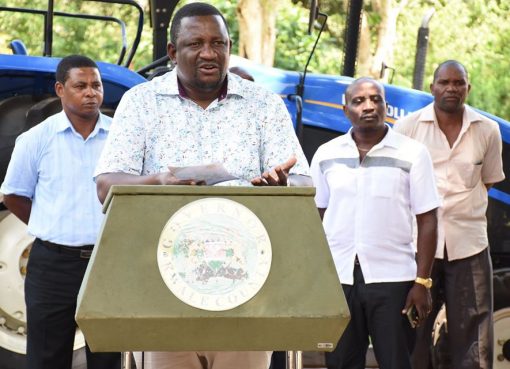
Wajir Governor Ahmed Abdullahi, in a speech read on his behalf by the County Executive Committee Member (CECM) for Health Habiba Ali welcomed the partnership between the county government and Baitulmaal, describing the project as a significant milestone in improving healthcare delivery in the county.
Speaking during the ceremony, Habiba said the commencement of the hospital’s construction marked more than the start of a building project, noting that it represented a new chapter in the provision of healthcare services for the people of Wajir.
“Today marks far more than the beginning of a construction project. It marks the beginning of a new chapter in healthcare delivery for the people of Wajir County. This hospital represents hope, compassion, partnership and our shared commitment to ensuring that every resident has access to quality, affordable and timely healthcare,” she said.
The CECM said the county government remained committed to supporting the successful implementation of the project and would continue creating an enabling environment for partnerships that strengthen service delivery.
Habiba acknowledged Baitulmaal’s previous support to the county’s health sector, citing the restoration of sight to more than 4,000 people through cataract surgeries, training of healthcare workers on emergency maternal and newborn care and donation of essential maternity equipment to Wajir County Referral Hospital.
She said the interventions had contributed significantly to improving maternal and newborn healthcare services in the county.
The Health CECM noted that healthcare remains a fundamental right and reaffirmed the county government’s commitment to expanding access to quality medical services.
She said currently Wajir County has 178 health facilities distributed across its 15 sub-counties, while Wajir Town alone hosts 20 health facilities comprising one Level 5 referral hospital, one Level 4 hospital and 18 primary healthcare facilities, including two faith-based health institutions.
According to Habiba, the new Level 4 hospital will provide inpatient and outpatient services, emergency care, maternal and child health services and selected specialist services, while complementing existing public health facilities.
She explained that the county’s Level 5 Referral Hospital would continue providing advanced specialist services including intensive care, high dependency care, dialysis, comprehensive surgery, blood transfusion and advanced diagnostic services.
“The new Baitulmaal hospital will become an integral part of our county referral system by managing Level 4 services and referring patients requiring advanced specialist care to our referral hospital. This coordinated referral system will improve efficiency, reduce unnecessary referrals outside the county and improve health outcomes,” she said.
Habiba observed that achieving Universal Health Coverage required collaboration between government, faith-based organisations, charitable institutions, the private sector and development partners.
She said the county government looked forward to working with Baitulmaal in healthcare delivery, healthcare worker training, maternal and newborn health, emergency preparedness, disease surveillance, quality improvement and implementation of national health standards.
The CECM also commended healthcare workers for their dedication in serving communities, despite challenges and urged residents to support and protect the project to ensure it benefits future generations.
She reaffirmed the county government’s commitment to investing in healthcare infrastructure, recruitment of skilled personnel, provision of modern medical equipment and expansion of quality healthcare services across Wajir.
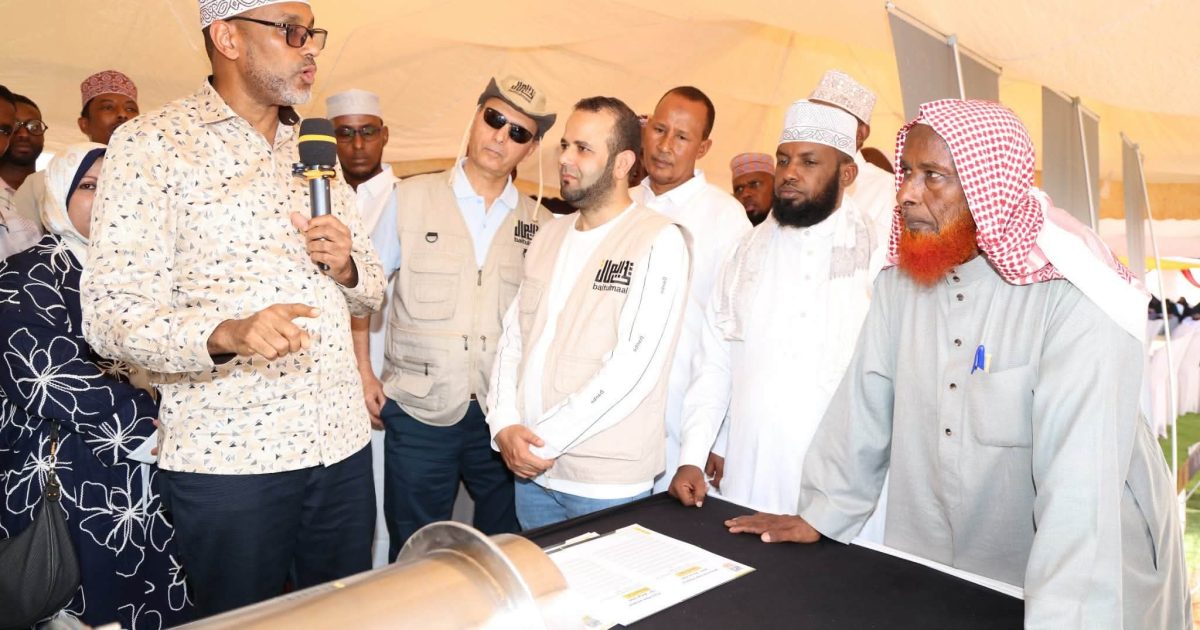
Baitulmaal Kenya Founder and CEO, Ugas Sheikh Mohammed described the hospital project as the biggest undertaking in the partnership between the Organisation and the Wajir County government.
He said successful implementation of the project would depend on close collaboration between the two institutions.
“I want to appreciate the partnership between the county government and ourselves. We’ve done a lot of things together, and this is the biggest test of our partnership because we will want to work with the county government to deliver on some of the things that we are promising,” he said.
He noted that while the county government would provide skilled personnel, Baitulmaal would contribute equipment and other resources to ensure quality healthcare services.
Ugas said the Organisation had previously implemented programmes in education, orphan support, water and humanitarian assistance in Wajir, but described the hospital as a project expected to deliver greater and more lasting impact.
He said the vision for the facility was to establish a modern institution founded on excellence, affordability and access to specialised healthcare services.
According to Ugas, the hospital will seek to attract specialist doctors from different parts of the world to offer regular outreach services, enabling residents to receive advanced medical care without travelling outside the county.
Baitulmaal International CEO, Mazen Mokhtar said the hospital reflected the organisation’s commitment to long-term community development through sustainable investments.
He said meaningful transformation is achieved through development projects that improve people’s lives and noted that healthcare remained one of the most essential services.
Mokhtar said the new hospital would enable residents to access healthcare services within their communities instead of travelling long distances, while also reducing waiting times and making healthcare more affordable.
The project is expected to complement existing public health facilities and contribute to improved access to quality healthcare services for the growing population of Wajir County.
by Hamdi Buthul