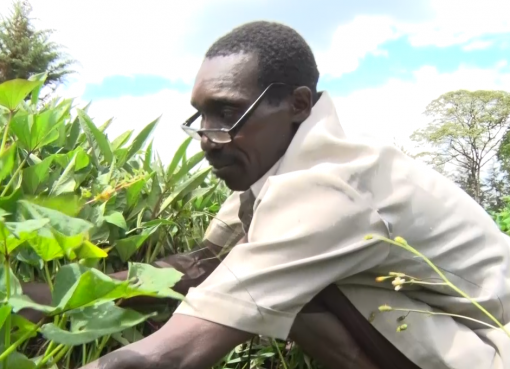
Farmers in Sambirir and Kapsowar wards are set to benefit from increased coffee production following the launch of the second phase of coffee seedling distribution by Elgeyo Marakwet Woman Representative Caroline Ngelechei.
The launch marks the completion of the coffee seedling distribution programme across all coffee growing wards in Elgeyo Marakwet County, a key milestone in ongoing efforts to promote agricultural diversification, strengthen climate resilience and enhance household incomes through commercial coffee farming.
Ngelechei said the initiative is designed to increase access to quality planting materials while positioning coffee as a viable cash crop capable of improving the livelihoods of smallholder farmers.
“With the launch of the second phase in Sambirir and Kapsowar wards, we have now covered all the wards in Elgeyo Marakwet. Our vision is to ensure every farmer who wishes to venture into coffee farming has access to quality seedlings,” she said.
The Woman Rep said the programme has already facilitated the establishment of 72 coffee nurseries across Keiyo North, Keiyo South and Marakwet West constituencies, including Cherangany, Chebororwa, Sengwer and Moiben Kuserwo wards, creating a strong foundation for sustainable coffee production.
“The nursery network will guarantee a continuous supply of healthy and certified coffee seedlings, enabling more farmers to embrace coffee cultivation and increase production over time,” she said.
Ngelechei noted that demand for seedlings continues to grow and called for additional investment in seed multiplication to support the expansion of the programme.
“If we can secure 400 kilograms of coffee seed for nursery establishment, we will produce enough seedlings to ensure every interested farmer benefits from this initiative,” she said.
She observed that coffee presents a sustainable economic alternative for farmers facing declining maize yields due to unpredictable weather patterns associated with climate change.
“For many years, our farmers have depended largely on maize farming. However, when maize fails because of erratic rainfall, household incomes are adversely affected. Coffee offers a reliable source of income and will strengthen the economic resilience of our farming communities,” she said.
The legislator urged beneficiaries to adopt good agricultural practices, properly manage their coffee plantations and work closely with agricultural extension officers to improve productivity and the quality of coffee produced.
She said expanding coffee production would not only increase household earnings but also stimulate local economic growth by strengthening the county’s coffee value chain and creating employment opportunities along production, processing and marketing.
By Rennish Okong’o