Kenya’s ambition to build an inclusive, resilient and globally competitive economy increasingly rests on the ability of its young people to transform innovative ideas into thriving businesses.
As the country continues to implement the Bottom Up Economic Transformation Agenda (BETA), empowering youth to become entrepreneurs rather than job seekers has emerged as one of the Government’s most deliberate strategies for creating jobs, expanding wealth and stimulating grassroots economic growth.
At the heart of this transformation is the National Youth Opportunities Towards Advancement (NYOTA) Project, a flagship initiative implemented jointly by the Government of Kenya and the World Bank to equip unemployed and vulnerable youth with entrepreneurship skills, business mentorship, workplace experience and access to affordable startup capital.
The impact of the programme is already taking shape in Kericho County, where 1,959 young entrepreneurs have received the second tranche of NYOTA business grants to strengthen and expand their enterprises.
The beneficiaries received the support during a regional disbursement exercise held at the IAAF Stadium in Bomet County, joining thousands of other young entrepreneurs from across the South Rift region in a nationwide programme designed to unlock the productive potential of Kenya’s youth.
Each beneficiary received Sh25,000, with Sh22,000 released directly as business capital while Sh3,000 was deposited into an individual savings account.
The savings component is intended to nurture financial discipline, encourage a culture of saving and improve beneficiaries’ access to future financial services as their enterprises continue to grow.
The latest disbursement builds on the first phase of the programme in Kericho, where another 1,959 young people benefited from more than Sh48 million to establish and expand businesses in sectors including agribusiness, retail trade, transport, tailoring, beauty and personal care, hospitality, digital services and light manufacturing.
Nationally, the Government has disbursed Sh3.055 billion to 122,203 young people under the second phase of the NYOTA Project, demonstrating a sustained commitment to strengthening the Micro, Small and Medium Enterprises (MSME) sector, which remains the backbone of Kenya’s economy.
MSMEs account for the overwhelming majority of businesses in the country and provide employment to millions of Kenyans. Beyond generating incomes, they stimulate innovation, create market opportunities for local producers and strengthen rural and urban economies.
Recognizing this critical role, the Government has continued to position enterprise development at the centre of its economic transformation agenda through policies and programmes that expand access to financing, skills development and business support services.
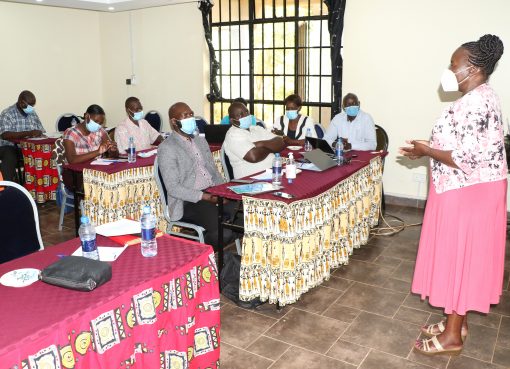
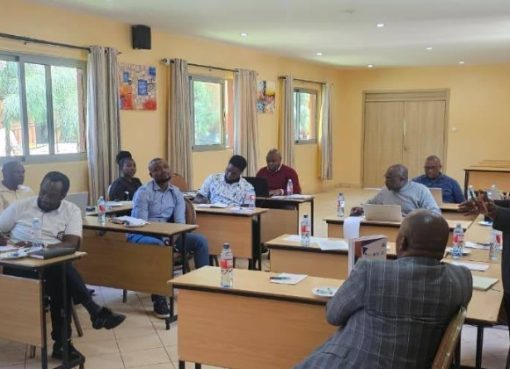
Unlike conventional grant programmes, NYOTA adopts a comprehensive approach to youth empowerment. Beneficiaries first undergo entrepreneurship and financial literacy training, receive mentorship from experienced business practitioners and develop practical business plans before accessing financial support. Continuous coaching and business monitoring are then provided to improve enterprise sustainability and increase the chances of long term success.
The programme also incorporates the On the Job Experience component, which places young people under experienced employers and master craftsmen after they complete employability and work readiness training. The initiative enables beneficiaries to acquire practical workplace experience, strengthen technical competencies and improve their readiness for self-employment or formal employment.
In Kericho , implementation of the workplace training component has continued to gain momentum, with many beneficiaries successfully transitioning into industrial attachment and apprenticeship opportunities that complement their entrepreneurial journey.
Speaking during the regional disbursement ceremony, Cabinet Secretary for Roads and Public Transport Davis Chirchir said the Government was making deliberate investments in youth because they remain central to Kenya’s long term economic prosperity.
Chirchir pointed that empowering young people with skills, mentorship and affordable business capital would not only improve household incomes but also accelerate enterprise growth, expand local economies and create employment opportunities across the country.
“The Government is investing in our youth because they are the engine of Kenya’s future economy. Through the NYOTA Project, we are providing young people with the skills, mentorship and financial support they need to establish sustainable businesses, create jobs and improve livelihoods. We encourage beneficiaries to utilize these resources prudently and build enterprises that will contribute meaningfully to national development,” said Chirchir.
The NYOTA Project complements other Government interventions that seek to expand economic opportunities for young people, including the Hustler Fund, the Youth Enterprise Development Fund, the Uwezo Fund and the Kenya Jobs and Economic Transformation Programme. Together, these initiatives are designed to unlock entrepreneurial potential, strengthen the MSME ecosystem and broaden financial inclusion for young Kenyans.
For Kericho’s beneficiaries, the latest grants represent more than financial assistance. They provide an opportunity to invest in productive enterprises, increase household incomes and create employment within local communities.
Collectively, they also reinforce the Government’s broader commitment to ensuring that young people play a leading role in driving Kenya’s economic transformation.
As the country continues to implement BETA, programmes such as NYOTA are steadily transforming enterprise development from policy into practice, ensuring that thousands of young Kenyans are equipped with the tools, skills and confidence to build businesses that will contribute to sustainable economic growth for generations to come.
By Gilbert Mutai