By M, KNA
The Ministry of Health (MoH) has inaugurated the National Food Environment Policies Steering Committee to strengthen policy action on unhealthy diets and tackle the growing burden of non-communicable diseases (NCDs) in Kenya.
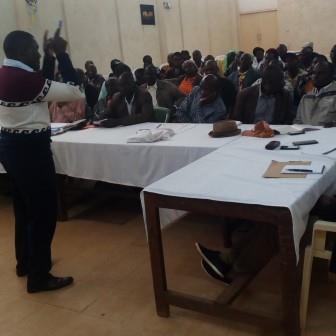
The inaugural meeting, held at a Nairobi hotel, was presided over on behalf of the Director General for Health, Dr Patrick Amoth.
The Committee has been mandated to provide high-level oversight, coordination, and policy guidance for the development and implementation of a coherent and legally robust package of food environment policies and regulations.
Notably, its priority areas include front-of-pack nutrition labelling, restricting the marketing of unhealthy foods and beverages to children, elimination of industrially produced trans fats, fiscal measures to promote healthy diets, establishment of healthy public food procurement standards, and reformulation of food products to improve their nutritional quality.
Dr Patrick Amoth cautioned that Kenya is facing a dual burden of malnutrition, with persistent undernutrition alongside rising levels of overweight, obesity, and diet-related conditions such as diabetes, cardiovascular diseases, and cancers.
He noted that the widespread availability and aggressive marketing of foods high in sugar, salt, and unhealthy fats have created a food environment where unhealthy choices are often the easiest, fuelling the country’s growing NCD burden.
“The initiative aligns with key national frameworks, including the Kenya Health Policy 2014–2030, the Kenya Nutrition Action Plan, and the National NCD Strategic Plan, and builds on the recently approved Kenya Nutrient Profile Model 2025, which provides the scientific basis for regulating unhealthy food products,” highlighted the DG in remarks delivered on his behalf by Dr Joel Gondi.
Dr. Amoth stated that the multi-sectoral Steering Committee brings together representatives from government ministries, regulatory bodies, research institutions, civil society organisations, and development partners to drive coordinated, evidence-based action to improve population diets.
The Committee was formally declared operational, marking a significant step in strengthening Kenya’s prevention agenda and shaping a healthier national food environment.