Kericho County has moved to resolve long standing concerns affecting healthcare workers, with the County government pledging to fast-track promotions for eligible clinical officers, implement their career guidelines and facilitate the transition of qualified health workers to permanent and pensionable terms.
Governor Dr Eric Mutai, said the measures followed a successful consultative meeting with officials of the Kenya Union of Clinical Officers (KUCO), held against the backdrop of a nationwide industrial action by clinical officers that began on July 20 and disrupted healthcare services in different parts of the country.
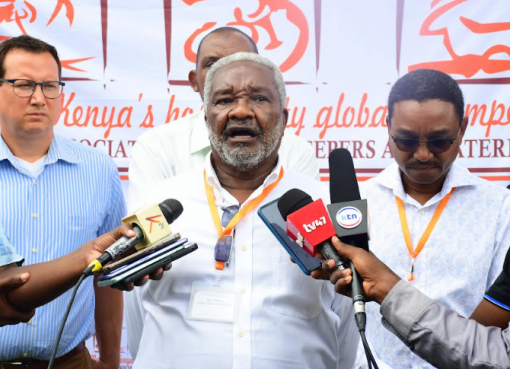
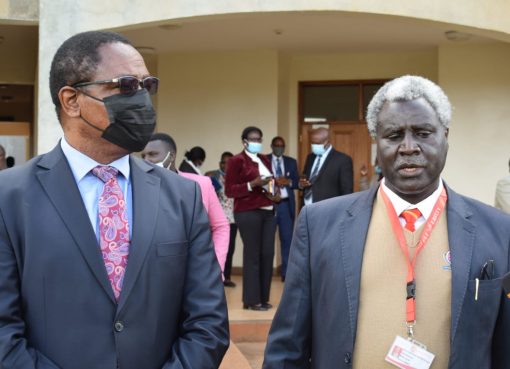
Addressing the media at the Kericho County Headquarters after the meeting, Dr Mutai noted that the County had made significant progress in addressing concerns raised by clinical officers, with dialogue emerging as the preferred avenue for resolving the dispute.
Under the agreement reached, the County Public Service Board is expected to begin issuing promotion letters to eligible clinical officers through competitive promotion from August 7, 2026, while the County will implement the career guidelines approved by the Public Service Commission in 2024.
“We have agreed that promotions for our clinical officers will be undertaken, and the County Public Service Board will start issuing promotion letters from August 7. We want to ensure that our healthcare workers have an opportunity to progress in their careers and that those who qualify for promotion are considered,” Dr Mutai said.
The county has also signed a Collective Bargaining Agreement (CBA) with clinical officers, making Kericho among the first 20 counties to conclude the agreement and paving the way for improvements in workers’ welfare, promotions and career progression.
“Clinical officers occupy a central space in our hospitals because they carry a significant share of the work in terms of diagnosis and handling patients across the county. We therefore have a responsibility to ensure that their welfare is addressed and that they have a clear path for career progression,” the Governor added.
KUCO General Secretary, George M. Gibore welcomed the progress, saying the Union had responded to an invitation from the Governor and held discussions with the County government that resulted in substantial progress on issues raised by clinical officers.
Gibore noted that the Union would present the proposals reached during the meeting to its members and relevant structures for consideration, before formally signing a return-to-work formula and suspending the industrial action.
The Union official explained that the strike was national in character and therefore required consultations with the Union’s established structures before a formal return-to-work agreement could be concluded.
Had the industrial action been confined to Kericho County, the Union would have been able to reach an agreement at the county level.
Gibore welcomed the County government’s commitment to implement the CBA, which was one Financial Year behind schedule, with implementation expected to commence the following month.
The agreement, he added, would address critical issues affecting the welfare and working conditions of clinical officers, while providing a clear framework for career progression.
“The commitment to issue promotion letters to eligible clinical officers from August 7, is a significant step in addressing one of the longstanding concerns raised by our members. We appreciate the County government’s commitment and believe the move will boost morale and motivate clinical officers, to continue providing quality healthcare services,” Gibore said.
The consultative meeting came amid a nationwide strike by clinical officers over grievances, including career progression, promotions, implementation of collective bargaining agreements, remuneration and employment security.
On job security, Dr Mutai announced that the County had agreed to facilitate the transition of eligible Universal Health Coverage (UHC) workers to permanent and pensionable terms, with the County Public Service Board expected to begin issuing confirmation letters as consultations with the National government through the Ministry of Health continue.
The move is intended to address uncertainty among workers who have served for several years without formal confirmation of their employment status.
The Governor thanked President William Ruto for allocating resources towards Universal Health Coverage, saying the funding had created an opportunity to address the employment concerns of UHC workers who have served for close to six years.
According to KUCO, the workers’ pay slips were already reflecting permanent and pensionable status following the availability of funds, but they were awaiting formal confirmation letters.
The Union said the County had agreed to expedite the issuance of the letters in consultation with the National government.
However, the issue of service gratuity for UHC workers remains unresolved and will require further engagement between the County and National governments.
The Union noted that the affected workers had been serving at the County level while their salaries were being paid by the National government through the Ministry of Health, creating the need for the two levels of government to agree on how the gratuity would be handled.
The discussions with clinical officers are part of wider efforts to address labour concerns affecting other health cadres, including pharmaceutical staff, laboratory technologists and public health officers.
Dr Mutai said normal operations had resumed in County health facilities following the return of medical doctors and consultants after a return-to-work agreement was signed the previous week.
The nationwide doctors’ strike had largely centered on promotions and career progression, while the County addressed local concerns through negotiations.
He stressed the importance of resolving labour disputes without compromising access to healthcare, particularly for vulnerable residents who depend on public hospitals.
“We have to remember that our hospitals serve ordinary people. There are many residents who cannot afford to go to private hospitals. When public health services are disrupted, it is the poor and the vulnerable who suffer most. That is why we must continue talking and finding solutions to these issues,” Dr Mutai said.
The County is also taking measures to improve the availability of medicines through the decentralization of funds for drug procurement.
Health facilities are receiving funds directly through the Social Health Authority and have been directed to allocate 40 per cent towards medicines, with the remainder supporting other essential services.
“We have made it our priority to ensure that every hospital and every dispensary has medicines. If there is any facility without drugs, we will address the matter because the health of our people remains a priority,” the Governor said.
Kericho is also set to recruit about 14 medical consultants and additional healthcare workers to address staffing gaps and strengthen specialized services.
The County is further engaging nurses following a nationwide strike notice, with Dr Mutai expressing optimism that dialogue will help resolve outstanding concerns and prevent disruption of healthcare services.
The Governor said the successful consultations with clinical officers demonstrated the importance of dialogue in resolving labour disputes and strengthening cooperation between healthcare workers and the County government.
“Healthcare is a very important service, and we cannot allow disagreements between the employer and healthcare workers to deny our people the services they need. We will continue engaging our healthcare workers and their unions because our objective is to have a stable health sector that serves the people of Kericho,” Dr Mutai said.
The County government has assured residents that it will continue prioritizing the welfare of healthcare workers, improving medicine supplies, strengthening staffing and engaging unions to address outstanding concerns, as part of efforts to build a stable and responsive health system that provides timely and reliable medical services.
By Gilbert Mutai