Vihiga County has finalized the first drafts of the Grievance Redress Mechanism (GRM) Policy and the Public Participation and Civic Education (Amendment) Bill, 2026, marking a significant milestone in efforts to strengthen citizen engagement, accountability, and transparency in governance.
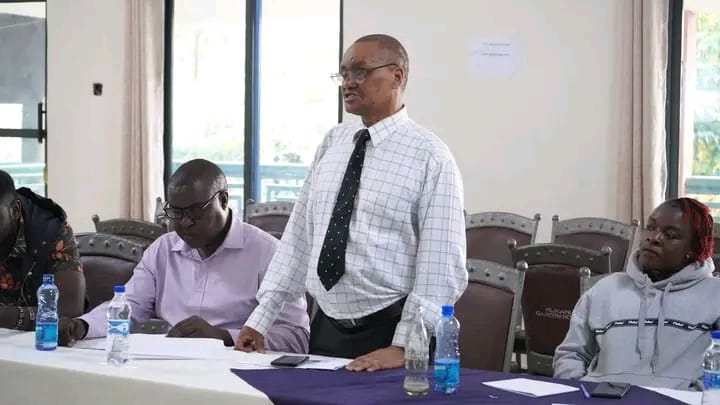
The draft documents were completed during a four-day workshop held from July 22 to 25, 2026, convened by the Directorate of Public Participation and Civic Education.
The exercise was facilitated by the Department of Public Service Management and ICT in collaboration with development partners, including The Institute for Social Accountability (TISA Kenya), Welthungerhilfe and GIZ, who provided both technical and institutional support throughout the process.
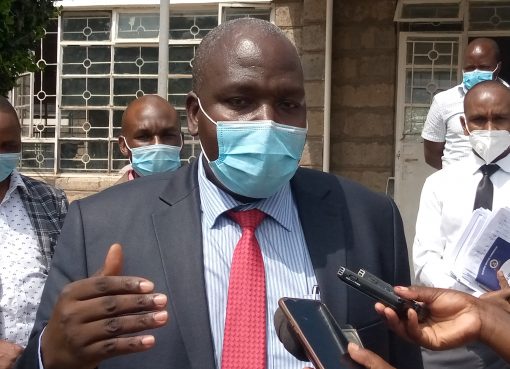
The formulation of the two key policy instruments followed a comprehensive, inclusive, and consultative approach led by a technical committee chaired by the County Executive Committee Member (CECM) for Public Service Management and ICT, Dr. Nicholas Mwandihi.
The Committee undertook an in-depth review of the existing Vihiga County Public Participation and Civic Education Act, 2020, identifying critical gaps, implementation challenges, and emerging governance needs that necessitated the proposed amendments.
According to County officials, the review process was informed by lessons learned over the years in implementing public participation frameworks, as well as the need to align County legislation with evolving national governance standards and best practices in citizen engagement.
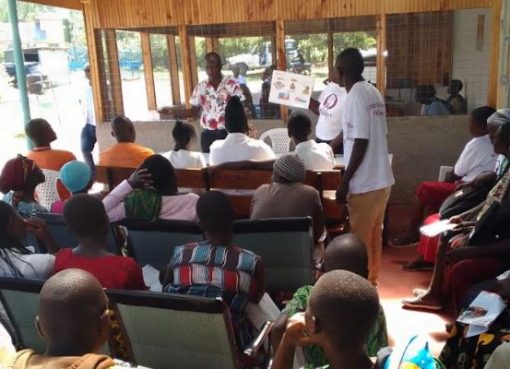
The initial (zero) drafts were subjected to extensive validation through structured consultations involving a wide range of stakeholders. These included County Executive Committee Members, the Office of the County Attorney, Chief Officers, Directors, Sub-county and Ward Administrators, representatives from civil society organizations, and members of the public drawn from all the six sub-counties of Vihiga.
The public forums provided an opportunity for residents to voice their views, propose recommendations, and highlight practical challenges faced in accessing participation platforms and grievance handling mechanisms. Stakeholders emphasized the need for more accessible, transparent, and responsive systems that guarantee timely feedback and resolution of public complaints.
With technical guidance from the Office of the County Attorney, Aggrey Musiega, the Committee undertook a rigorous process of harmonizing stakeholder inputs, refining legal provisions, and structuring the policy and legislative framework to ensure clarity, coherence, and enforceability.
The process culminated in the development of comprehensive draft documents that reflect both legal standards and public expectations.
The finalized drafts are now set to be formally submitted to Dr. Mwandihi before being tabled before the Vihiga County Assembly for consideration, debate, and possible enactment into law.
Dr. Mwandihi said that if approved, the Grievance Redress Mechanism Policy is expected to institutionalize clear procedures for lodging, tracking, and resolving complaints by members of the public, thereby, enhancing trust between citizens and the County government.
The proposed amendments to the Public Participation and Civic Education Act, 2020 are aimed at strengthening frameworks for inclusive engagement, ensuring that all segments of society—including marginalized and vulnerable groups—have a voice in decision-making processes.
County officials noted that the new policy and legislative amendments will not only improve dispute resolution mechanisms, but also promote a culture of accountability, openness, and participatory governance across all County departments and entities.
They further observed that the initiative aligns with the broader objectives outlined in the County Integrated Development Plan (CIDP) 2023–2027, which prioritizes citizen-centered service delivery and good governance.
The development marks a critical step in reinforcing Vihiga County’s commitment to responsive governance, improved service delivery, and active citizen involvement in shaping development priorities and public policies.
By Winstar Jaika