The Independent Electoral and Boundaries Commission (IEBC) has concluded the final phase of public participation on the Draft Election Campaign Financing Regulations, 2026, saying the proposed framework is aimed at promoting transparency, accountability and fairness in the 2027 General Election.
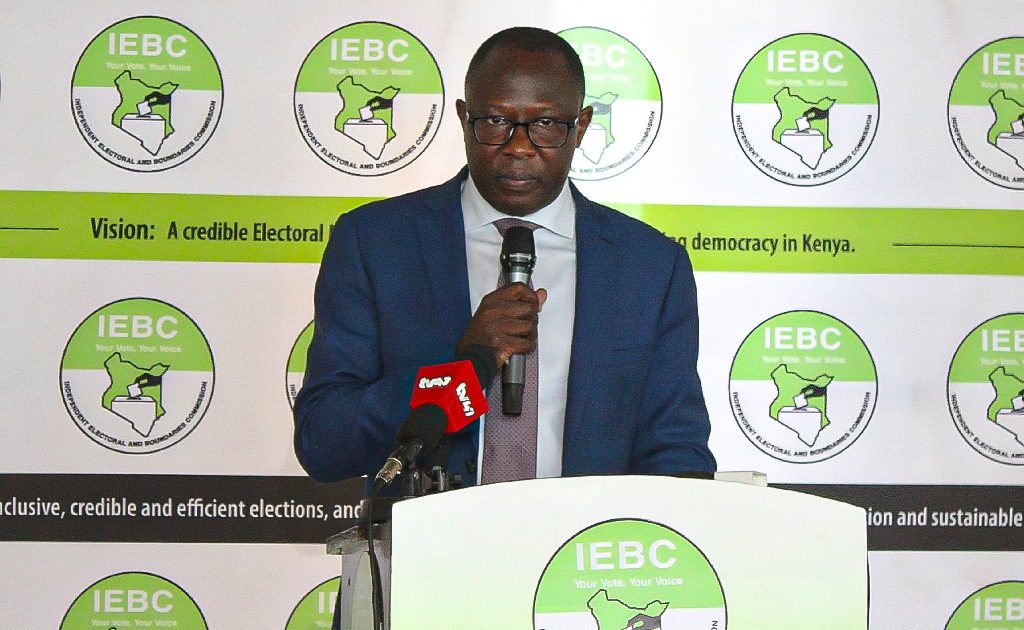
Speaking during a stakeholder consultative forum in Nairobi on Thursday, IEBC Chairperson Erastus Edung Ethekon said the Commission would consolidate views collected across the country before approving and gazetting the regulations for submission to Parliament’s Committee on Delegated Legislation, in line with court directives and statutory timelines.
“The objective is to ensure that electoral outcomes are determined by the free will of the people rather than by the disproportionate influence of financial resources,” said Ethekon.
He said the regulations would operationalise the Election Campaign Financing Act by establishing clear rules on campaign contributions, expenditure limits, campaign bank accounts, financial reporting, disclosure, auditing, compliance and dispute resolution.
According to the chairperson, the framework seeks to strike a balance between enabling political parties and candidates to effectively campaign while safeguarding the integrity and credibility of the electoral process.
The Draft Election Campaign Financing Regulations, 2026 seek to provide clarity on key aspects of campaign financing, including the appointment and registration of authorized persons, opening and management of campaign financing accounts, recording and reporting of contributions and donations, regulation of campaign expenditure, disclosure and auditing of campaign finances and mechanisms for compliance, enforcement, and dispute resolution.
Ethekon noted that previous attempts to operationalize the law ahead of the 2017 and 2022 General Elections were frustrated by legal and procedural challenges but said the current process had benefited from those lessons.
He assured stakeholders that the Commission remained open to proposals from the public, political parties and civil society to ensure the final regulations reflect Kenya’s electoral realities.
The Commission explained that the proposed spending limits are based on empirical cost estimates, population size and land area.
The formula factors in both fixed and variable campaign costs to determine expenditure ceilings for candidates contesting ward, constituency, county and presidential elections, as well as political parties.
The Commission also said candidates, political parties and supporting organisations would be required to operate dedicated campaign bank accounts, declare contributions and donations, maintain financial records and submit periodic and final campaign finance reports to enhance accountability.
Justice Francis Tuiyott, a Judge of the Court of Appeal and member of the Judiciary Committee on Elections (JCE), said the question of campaign financing is controversial, and it raises a lot of heat and debate.
Justice Tuiyot said there are numerous views across the country, which need to be accommodated to enhance and strengthen the legal framework on campaign financing.
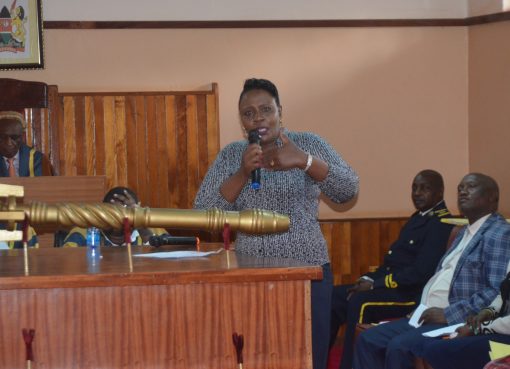
During the public participation session, stakeholders raised concerns over implementation timelines, communication and enforcement.
Katiba Institute representative Kevin Walumbe urged the Commission to ensure the regulations are transmitted to Parliament within the statutory timelines to allow them to take effect before the 2027 polls.
Public Relations Society of Kenya representative Noella Mutanda called for a stronger public communication strategy, saying previous reform efforts had suffered due to inadequate public awareness and appreciation of the importance of campaign finance regulation.
A representative from the Office of the Director of Public Prosecutions (ODPP) proposed expanding the dispute resolution framework to better address criminal offences arising from campaign finance violations.
Responding to the concerns, Ethekon acknowledged that poor communication had been one of the Commission’s weaknesses, as highlighted in reports by election observer missions following the 2022 General Election.
He said the Commission was strengthening its communication systems, investing in personnel and technology, and enhancing collaboration with the Kenya Media Sector Working Group to improve public access to accurate electoral information and counter misinformation.
The IEBC chairperson also dismissed reports alleging the Commission intends to stop live streaming of election results, terming the claims false.
“We have not made any such decision or proposal. This Commission stands for transparency and accountability, and we will continue working with the media to ensure Kenyans receive accurate information throughout the electoral process,” Ethekon said.
By Zipporah Odionyi and Tonny Omollo