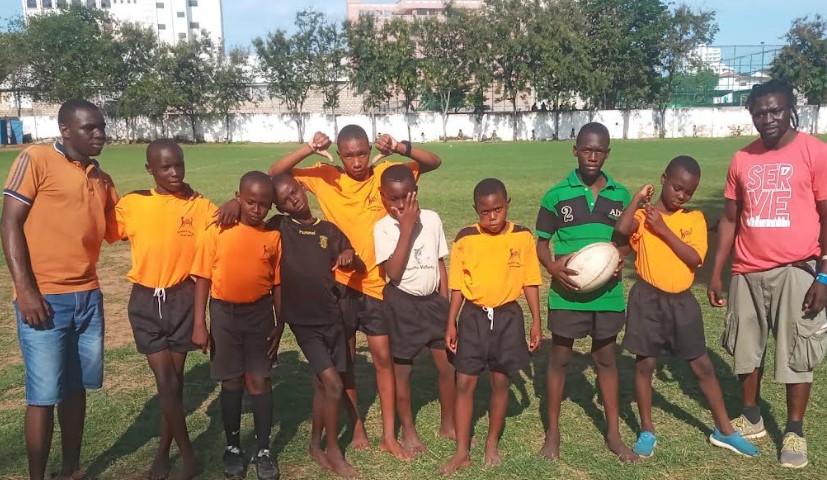
A former drug addict who once slept on the streets of Miritini has transformed his personal recovery journey into a rugby mentorship programme that is helping dozens of children from Mombasa’s informal settlements access education opportunities and stay away from drug abuse and other social vices.
Jimmy Richard Kivagi, founder of Sailors Rugby, currently coaches about 60 children, using rugby to instil discipline, develop talent and provide young people with an alternative to drugs, alcoholism and other challenges affecting communities across the Coast region.
The programme has already helped close to 40 children secure school scholarships through rugby, with Kivagi now aiming to increase the number of beneficiaries to between 50 and 60 annually.
Kivagi, who hails from Kapsengere in Nandi County, said his journey to Mombasa began years before rugby became a source of purpose and recovery.
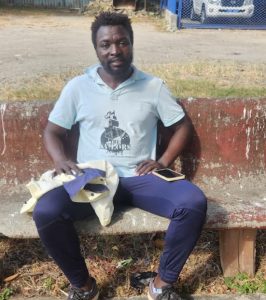
He recalled arriving in the coastal city after travelling from Sudan with a friend who was driving a truck that headed directly to the Port of Mombasa.
Upon arrival, Kivagi said he contacted his father, who directed him to a family friend working at the Kenya Ports Authority and living in Magongo, near the Old Cross, also known as Agakhan, an area he had never heard of before.
“I asked around at the Changamwe roundabout about the Coast Bus matatus, and I was taken to Magongo. The first time, I stayed near the post office there,” he recalled.
Kivagi said his life took a difficult turn before rugby gave him a new sense of direction.
He said his turning point came in March 2013, when he became homeless after choosing to spend his available money on a rugby ball instead of paying rent.
“I had two choices: pay rent or buy a rugby ball. I chose the ball. I was eventually kicked out,” he said.
Although the decision left him without a home, Kivagi said it marked the beginning of a journey that eventually changed his life.
He began training alongside younger boys on a field, among them Harold Tende, who has since joined Strathmore University’s TMO Sports programme.
As he spent more time on the field, Kivagi said he gradually discovered that rugby could be more than a sport. It could provide young people with discipline, mentorship, friendship and opportunities that could change their lives.
“I realised something bigger could come out of this. I was longing to be loved and heard, but I later understood that instead of seeking to be loved, one ought to seek to love, and instead of seeking to be heard, one ought to listen to others,” he said.
What started as an idea shared among four young men has since developed into a structured rugby programme serving children from different informal settlements in Mombasa.
Kivagi said the initiative currently caters for players in the Under-13, Under-16 and Under-18 categories, as well as Form Four leavers who are seeking opportunities to continue developing their sporting careers.
The programme has established relationships with schools in the Western, Nyanza, Eastern and Coast regions, which have offered scholarships to talented players.
Kivagi said the arrangement has eased the financial burden on families because participating schools absorb selected children into their sports programmes and provide school fee support, leaving parents to cater mainly for boarding-related expenses.
He said the schools have developed confidence in the programme after years of consistent talent identification and training.
Once a player demonstrates exceptional ability in a particular position, Kivagi said schools can identify the talent and enrol the child into their sports systems, similar to scouting arrangements used in football.
For many of the beneficiaries, the opportunity provides more than a chance to play rugby. It offers a pathway to education and a chance to escape circumstances that could expose them to drugs, crime and other social problems.
However, Kivagi said the programme faces serious challenges, particularly inadequate training space.
The team currently shares a field in Miritini Estate with two football clubs. The field has also been enclosed by a wall, further limiting the space available to the young rugby players.
“If we had our own field, we could train more than 100 kids at a time. Right now we only get about a quarter of the field,” he said.
He said having a dedicated training ground would allow the initiative to expand its programme and accommodate more young people from the surrounding communities.
Kivagi also said efforts to formally register the initiative and secure support from the county government had stalled for nearly five years.
He said county officials had indicated that formal registration would enable the government to consider supporting the programme, but finding partners who shared his vision without seeking personal gain had proved difficult.
“The county government told me once I register, they can step in to support us. I have explained everything to them, but registration has taken longer because I have not found a serious group of like-minded people,” he said.
Despite facing personal health challenges that have left him seeking specialised chest treatment, Kivagi said he remained committed to mentoring the young players.
He said many of the children confided in him about personal and family challenges, making the mentorship aspect of the programme as important as rugby training.
Kivagi appealed to coaches, social workers, organisations and well-wishers to support the initiative by providing training equipment, facilities, mentorship and other resources.
He believes the young people of the Coast region have the potential to become agents of positive transformation if given the right opportunities and guidance.
“I teach one; they teach another. That is how we build this community,” Kivagi said.
By Ramadhan Nassib