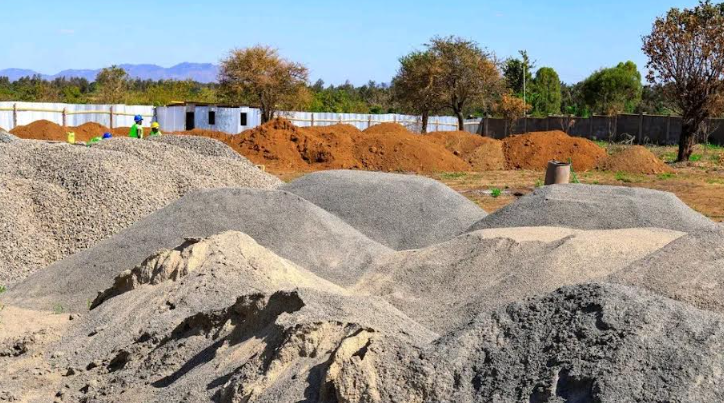
Residents of Mwea and neighbouring counties will soon start accessing specialized healthcare services as construction of a KEMRI referral hospital and a cancer research centre in Mutithi gathers pace.
The two projects, being implemented concurrently, are expected to reduce the need for patients to travel long distances to Nairobi and other major towns for specialized medical services, while also creating a platform for research into cancer and other health challenges affecting the region.
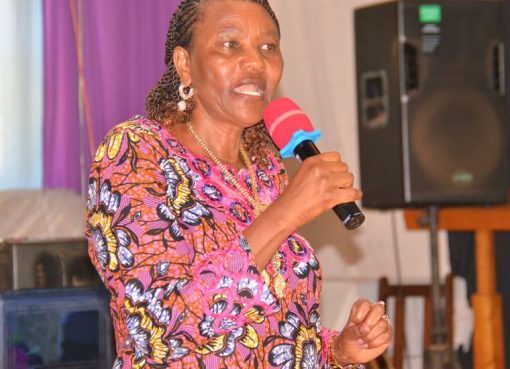
Speaking at AIPCK Karira Village Church on Sunday, Mwea MP, Mary Maingi, said contractors for both projects were already on site, expressing optimism that the facilities would significantly transform healthcare in the area.
Maingi said the KEMRI Kirinyaga Referral Hospital was among four hospitals secured from the Italian government through the national government and would serve as a major referral facility for patients from Mwea and beyond.
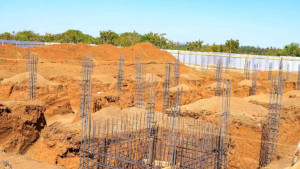
“The KEMRI Kirinyaga Referral Hospital is one of four hospitals that I was given by the President from the Italian government, and it is going to be a referral hospital,” she said.
She said residents who currently travel to Kenyatta National Hospital in Nairobi and other specialised facilities would have an alternative closer home once the Mutithi facility becomes operational.
“Instead of going to Kenyatta National Hospital for referrals, my people of Mwea will now be coming to KEMRI Kirinyaga Referral Hospital in Mutithi,” she said.
According to Maingi, the facility is expected to serve a wider catchment beyond Kirinyaga, including patients from Murang’a, Embu, Tharaka Nithi, and parts of Eastern and North Eastern Kenya.
The development would ease pressure on established referral hospitals while reducing the financial burden faced by families seeking specialised treatment, particularly transport and accommodation costs associated with travelling to Nairobi and other major towns.
Maingi said the second project, the Cancer Research Centre, was equally important given concerns over cancer cases in Mwea and the wider Kirinyaga region.
“I am emphasizing on the Cancer Research Centre because the cancer prevalence in this constituency, Kirinyaga in general and especially the Mwea constituency, is very high,” she said.
She said she had lobbied for funding for the project through her role in Parliament, noting that the centre would support research aimed at understanding cancer, its possible risk factors and ways of preventing the disease.
Mwea’s agricultural economy, she added, also gives the research centre a potentially important role in investigating environmental and occupational health concerns associated with farming.
The constituency is one of Kenya’s major rice-producing areas, with farmers using irrigation and crop protection products to control diseases and pests affecting rice.
Maingi expressed concern over the possible exposure of residents and livestock to agricultural chemicals, particularly where water drains from rice fields into irrigation canals.
She said livestock, including cattle, goats, and poultry, can access water in the canals, while residents subsequently consume products such as milk, meat, and eggs.
“Indirectly, we are consumers of the chemicals that are used to spray the rice in the rice fields,” she said adding: “The concerns, however, require scientific investigation to establish whether there is a direct link between agricultural chemical exposure and cancer cases in the area.”
This makes the proposed research center potentially significant beyond treatment, as locally generated scientific evidence could help health officials, farmers and policymakers better understand cancer risk factors and develop appropriate prevention measures.
For residents whose livelihoods depend on rice farming, the research could also contribute to promoting safer agricultural practices without undermining food production and household incomes.
By David Wandeto