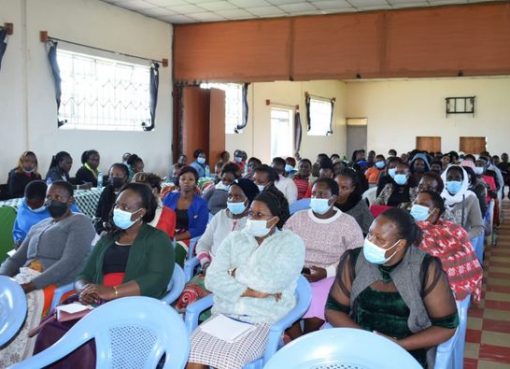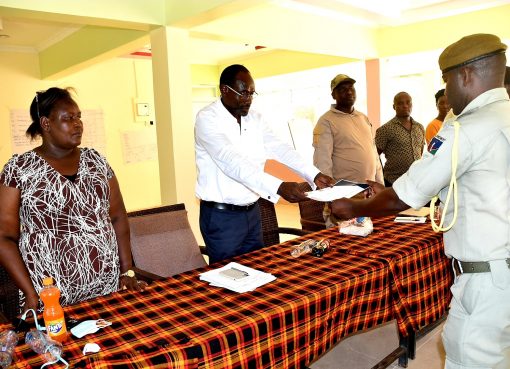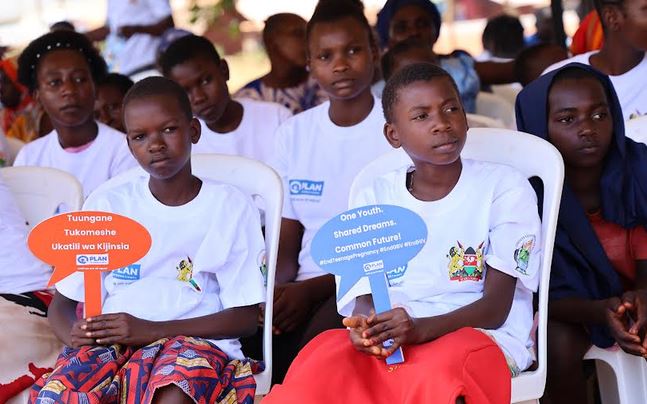
Stakeholders in Kilifi County, led by Plan International organization in partnership with the County Government, have renewed efforts to end teenage pregnancies, new HIV infections and sexual abuse, calling for stronger collaboration to protect the health and future of the youth in the region.
Dubbed End Triple Threat, the campaign launched during celebrations to mark International Youth Day at Jaribuni in Kilifi on Wednesday, brought together government agencies and development partners in a coordinated effort to tackle the three most pressing threats facing the young people’s future.
Officials said the challenges continue to affect the wellbeing, education and socio-economic prospects of young people, with teenage pregnancies and sexual violence exposing adolescents to increased risks of HIV infection and other health complications.
Addressing the media, Plan International Sexual and Reproductive Health Advisor Pauline Njoroge revealed the campaign will focus on translating existing partnerships into practical interventions that protect children and reduce their vulnerability to early pregnancy, HIV and sexual and gender-based violence.
“Through this Triple Threat campaign, we are working together with other government agencies, including the Department of Children Services, the Department of Gender, and the Department of Health, to ensure that children here in Kilifi do not become pregnant,” said Njoroge.
“We want to ensure that by the time we complete this Triple Threat campaign in one year, we will have reduced the prevalence and incidence of the Triple Threat in Kilifi County,” she said.
Kilifi Deputy Governor Flora Chibule said the county had made progress in bringing down cases of teenage pregnancy and HIV, but warned that the gains could easily be reversed if communities lowered their guard.
Chibule recalled that the situation worsened during the COVID-19 period, when Kilifi recorded high levels of early pregnancies and HIV infections, saying concerted efforts by government agencies and communities had since helped contain the problem.
“However, we must continue talking about it. We must tell our story and educate our young people,” she said.
The Deputy Governor placed particular emphasis on the role of parents, urging them to remain actively involved in their children’s lives regardless of their age stressing that parental responsibility and guidance should remain a continuous process.
Chibule attributed part of the progress to collaboration between administrators, security agencies and communities in identifying and addressing practices that had contributed to early pregnancies.
Youth representative Nora Nyadzua said the campaign would succeed only if communities became more willing to discuss issues surrounding adolescent sexual and reproductive health, including subjects that are often considered taboo.
She said cultural and religious sensitivities had sometimes made it difficult for parents and young people to openly discuss early pregnancy and HIV prevention, creating gaps in information and protection.
Nyadzua called for more community-based sensitisation and greater involvement of parents, arguing that families are uniquely placed to influence young people’s decisions.
“When we increase our sensitisation efforts and involve parents, they have a bigger role to play in ending the Triple Threat because they spend a lot of time with their children,” she said.
The stakeholders said ending the Triple Threat will require more than isolated health interventions, with communities expected to play a central role in prevention, early identification of risks and protection of adolescents.
By Jackson Msanzu