Education stakeholders and administrators in Sabatia Sub County have raised alarm over persistently low enrollment of local students in tertiary institutions, warning that the trend threatens the county’s future economic stability and development.
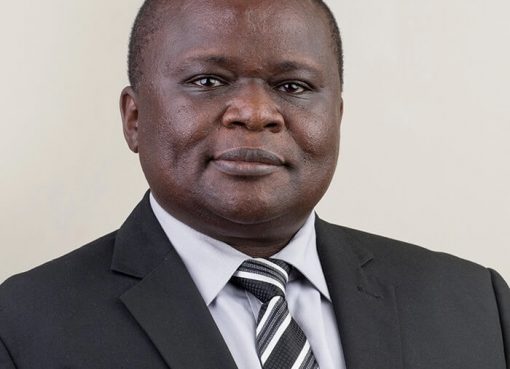
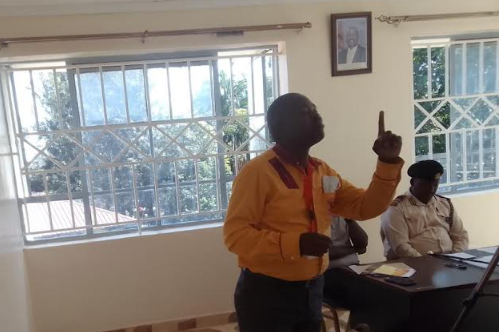
Speaking during a meeting with chiefs at Sabatia Sub County Headquarters, Dr. James Sure, a KMTC lecturer, said urgent interventions were needed to bridge information gaps, tackle rising GBV cases, and reverse the declining transition of school leavers to colleges and vocational centers.
Dr. Sure presented graduation data that sparked concern among leaders. They noted that out of 197 graduates in a recent cohort at KMTC Vihiga in Mbale, only 13 students were from Vihiga County.
Dr. Sure termed the figures as unacceptable given that the county hosts several technical institutions and secondary schools. He said the disparity reflected a disconnect between available opportunities and local participation.
Dr. Sure said it was time for honest conversations about why local youth were missing out on education opportunities in their own backyard.
He urged parents, chiefs, and education officers to investigate root causes, including economic hardship, lack of information, and local disinterest. “We must bridge the gap before we lose an entire generation to idleness,” he stated.
Representatives from tertiary institutions moved to dismiss claims that college education was unaffordable for low-income families.
Stephen Ngode of the Ramogi Institute of Advanced Technology (RIAT) explained that government funding through scholarships and HELB loans was now processed transparently via the Higher Education Financing (HEF) portal. He said a standardized Means Testing Instrument (MTI) was used to assess a family’s financial need.
Ngode noted that HELB was introduced to help vulnerable children access education. He clarified that the scholarship component within HELB is not payable and is meant to assist students from poor backgrounds to access quality education, while the loan portion supports tuition and upkeep.
He added that every student placed through KUCCPS who applied received assistance tailored to their funding band. Institutions like RIAT have also established help desks to offer free guidance to youth on KUCCPS placement and HEF applications.
“Financial constraints should no longer be a barrier. The support is there. Our youth only need to apply,” Ngode said.
Deputy County Commissioner Festus Munyao directed chiefs and assistant chiefs across Izava, Lyaduywa, Busali, and Chavakali to lead education outreach in their areas.
Munyao said administrators must identify idle youth in villages and ensure all school-age children are enrolled and retained in school. He noted that the government had invested heavily in TVET institutions and that communities must take advantage.
The DCC condemned the rising cases of gender-based violence in the county, linking some incidents to idleness and school dropouts. He directed chiefs and assistant chiefs to intensify awareness campaigns in villages and work with village elders to educate families on child protection.
“Perpetrators must face the law. Do not settle GBV cases through kangaroo courts; instead, take legal action immediately,” Munyao ordered.
Speakers agreed that parents and community leaders had a role to play in changing attitudes toward technical education. They said many families still preferred white-collar courses despite high demand for artisans, technicians, and entrepreneurs.
Education officers reported that some students were unaware of available courses and funding options. They called for career talks in secondary schools and regular barazas to disseminate information on both education opportunities and GBV prevention.
Munyao concluded that county prosperity depended on a skilled workforce and safe communities. “We have the institutions; we have the funding. What remains is for us to bridge the gap and ensure our children learn and are protected,” he said.
By Victor Zedy