A fresh wave of insecurity along the Turkana–West Pokot border has raised renewed fears of further bloodshed, with authorities warning that tensions remain dangerously high despite the deployment of additional security personnel to some of the affected areas.
Seven people, four from Turkana and three from Pokot, have been killed in recent clashes linked to long-running boundary disputes, cattle rustling, mining activities and disagreements between members of the neighbouring communities.
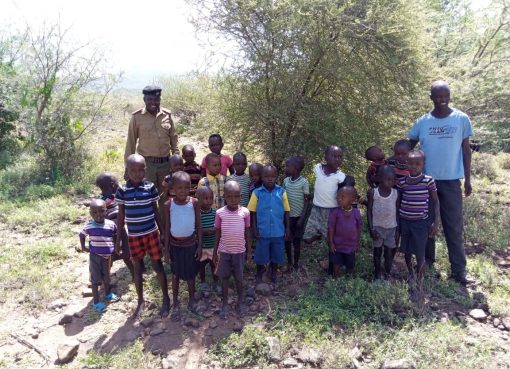
The deaths have heightened concern in the Turkwel belt, particularly around Ramos in Pokot North Sub-County, where residents continue to grapple with insecurity and limited access to essential government services.
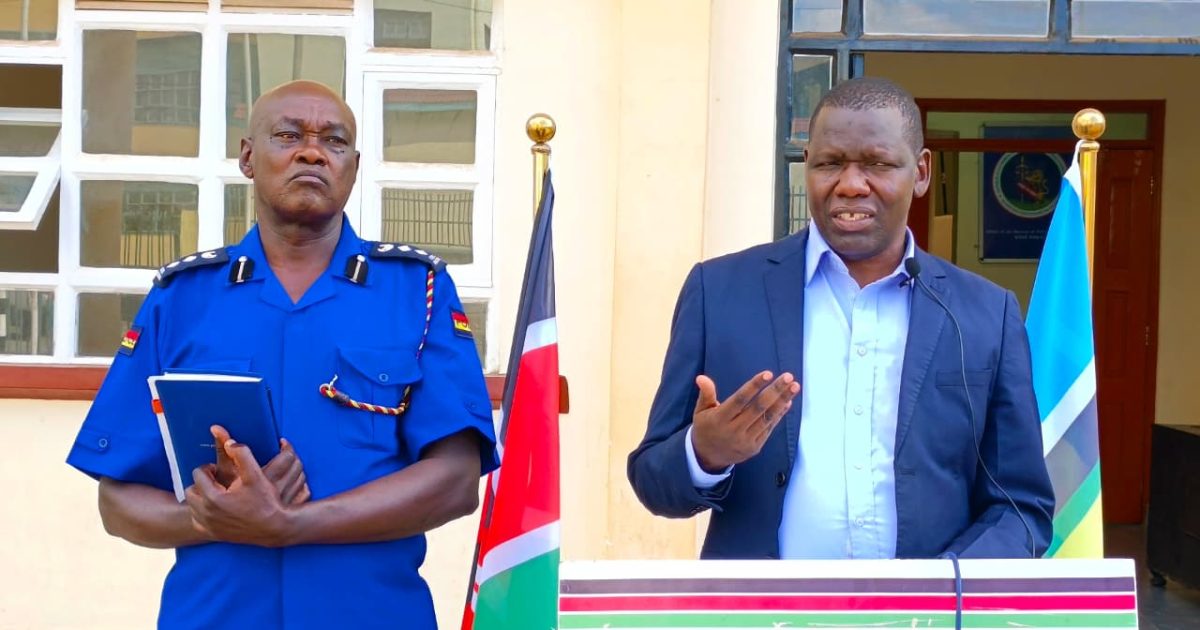
The situation prompted an emergency joint security meeting at Turkwel Police Station, bringing together security teams and administrators from West Pokot and Turkana counties. The meeting was co-chaired by West Pokot County Commissioner David Saruni and his Turkana counterpart, Julius Kavita.
The meeting was followed by a public baraza at Ramos, where residents and leaders discussed the escalating insecurity and possible measures to prevent further loss of lives.
West Pokot County Commissioner David Saruni said several insecurity incidents had been reported along the Turkwel belt in the past two weeks, describing most of them as intercommunal conflicts involving communities from the two counties.
He attributed the conflict to perennial boundary disputes, mining activities and cattle rustling, saying tensions escalated after a community elders’ meeting failed to resolve emerging disagreements.
The situation, he said, deteriorated rapidly, resulting in the deaths of seven people from the two communities.
The loss of lives has now triggered heightened security operations, with authorities moving to reinforce the area and restructure the deployment of security personnel along the Turkwel valley.
Saruni said National Police Reservists would be incorporated into the security operation, with additional reservists currently undergoing training expected to strengthen the response.
Security agencies have also increased their presence in Morita and other areas considered vulnerable to attacks.
According to Saruni, security officers had been deployed to the area four days before the emergency meeting, and no fresh incident had been reported during that period. However, he cautioned that the calm should not be mistaken for a return to normalcy.
The region remains volatile, with tensions still high and communities living with the fear that another confrontation could erupt.
Authorities are also turning to dialogue as part of efforts to prevent further escalation. Saruni said he had met the Pokot Council of Elders and that plans were underway for a joint engagement involving elders from both the Pokot and Turkana communities.
The National Cohesion and Integration Commission (NCIC) has equally urged leaders to exercise restraint, warning against inflammatory statements that could deepen divisions at a time when communities are already under considerable strain.
NCIC Upper Rift Regional Coordinator Victor Ijaika, who attended the joint security meeting and the public baraza, called for unity, dialogue and peaceful coexistence between the two communities.
Meanwhile, the government says the ongoing disarmament operation across the wider region will continue.
Saruni said the exercise covers West Pokot, Turkana, Baringo, Samburu and Elgeyo Marakwet counties and is intelligence-led, targeting civilians found in possession of illegal firearms.
He warned that anyone, including political and community leaders, found inciting one community against another would face the law.
With seven people already dead and communities on both sides of the border remaining tense, the latest intervention comes at a critical moment.
The immediate priority is to prevent another cycle of retaliation. More security officers, functional communication systems, sustained dialogue and urgent attention to the area’s lack of basic services will be crucial in preventing the fragile calm from collapsing.
By Parklea Ivor