For years, Emily Kivinza moved from one rental house to another as her teaching profession took her to different parts of Nairobi, including Pipeline and Industrial Area.
Like many civil servants, she faced the constant pressure of paying rent, dealing with unreliable services, and adjusting to new living environments every few years.
The experience, she says, was both exhausting and expensive. At times, the conditions were extremely difficult.
Kivinza recalls living in overcrowded neighborhoods where water shortages were common, drainage systems were poor, and insecurity was a constant concern.
During heavy rains, some areas became flooded and nearly inaccessible, while frequent electricity outages disrupted daily life.
Despite working hard as a teacher, she often worried about rising rent costs and the uncertainty that came with temporary living arrangements, never knowing when she might be forced to relocate again.
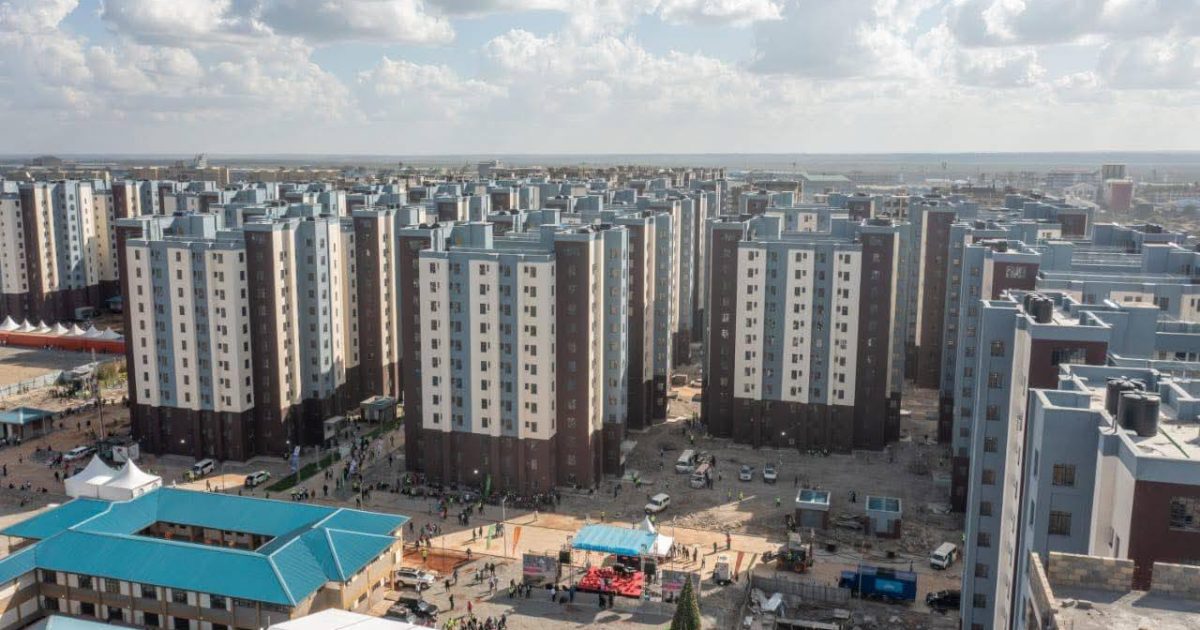
Today, however, Kivinza proudly calls the Boma Yangu Mukuru Housing Estate home. The teacher is among many Kenyans who successfully applied for housing under the Affordable Housing Programme, a project that continues to challenge the long-held belief that government housing projects are only meant for politicians, the wealthy, or well-connected individuals.
Kivinza says she first heard about the houses through fellow teachers who encouraged her to apply. After completing the application process and paying the required deposit, she was successfully allocated a unit.
According to her, the process was straightforward and fair.
“There is a belief that these houses are for rich people or politicians, but that is not true,” she says. “I am just an ordinary teacher, and I was able to apply and get a house.” Before moving into New Mukuru Estate, Emily paid about Sh12,000 in monthly rent.
Today, she pays about Sh3,900 monthly toward owning her home, something she once believed was out of reach.
Beyond affordability, she says the quality of life has greatly improved. Unlike some of the houses she previously rented, she now enjoys reliable water and electricity in a clean and organized environment.
Most importantly, Kivinza says the programme has given her dignity and the opportunity to finally own her own home. She is now encouraging more civil servants and Kenyans to give the programme a chance, saying the houses are open to everyone regardless of social class or profession.
“Whether you are a hawker, teacher, police officer, or doctor, these houses are for all Kenyans,” she says.
Her sentiments are echoed by 23-year-old Macharia, another resident at New Mukuru Estate who previously lived in the Mukuru slums.
For him, the move has brought not just better housing, but also improved safety and peace of mind.
He says the estate offers better security, including a nearby police station and fire detection systems that help reduce risks such as fire outbreaks; incidents that were common in the informal settlement where he previously lived.
Macharia also dismisses claims that the houses are reserved for the elite, maintaining that the application process is open, accessible, and fair for all eligible Kenyans.
As more families settle into the new homes, stories like Kivinza and Macharia’s continue to highlight the broader goal of the Affordable Housing Programme providing decent, dignified, and accessible housing while giving more Kenyans the opportunity to improve their living conditions and work toward home ownership.
By Joseph Ng’ang’a