The Alliance for a Green Revolution in Africa (AGRA) and the Global Alliance for Improved Nutrition (GAIN) have urged for inclusive financing models to expand credit for farmers, strengthen nutrition investments, and build resilient agrifood systems.
The two independent international organizations called for sweeping reforms in agricultural financing across Africa, saying affordable and inclusive credit is critical to unlocking the continent’s agricultural potential, strengthening food security, and building resilience against climate change.
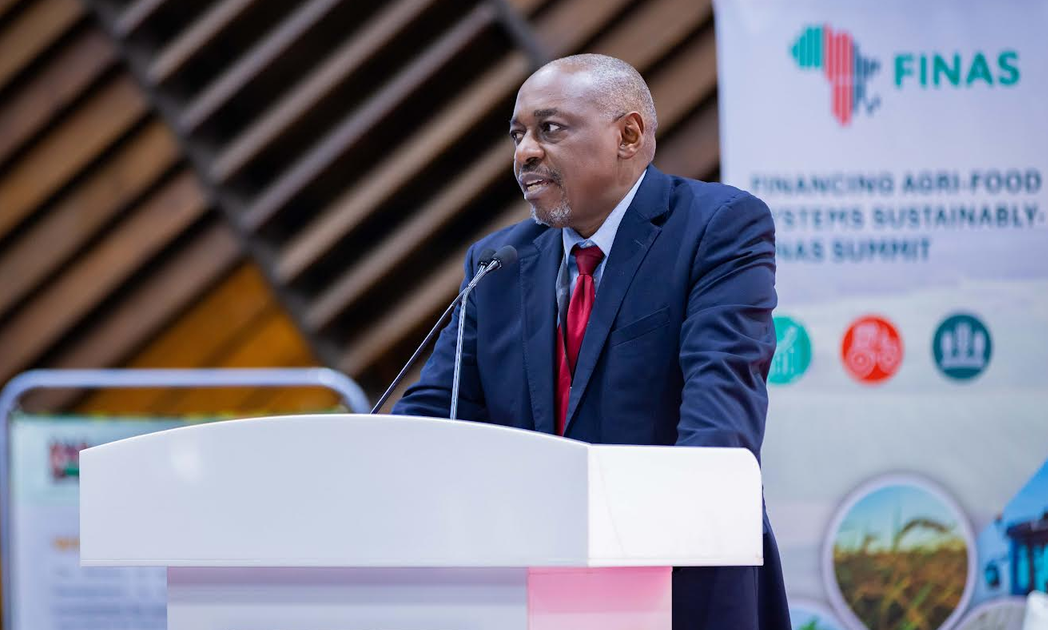
Speaking at the Financing Agri-Food Systems Sustainably (FINAS 2026) Forum at the Kenyatta International Convention Centre (KICC), AGRA Vice President for Programme Delivery, Prof. Hamadi Boga, said limited access to finance remains the biggest barrier preventing farmers, agribusinesses, and small and medium enterprises (SMEs) from adopting modern technologies and expanding production.
Years of investment in improved seed, mechanization, agro-dealer networks, and agricultural innovations would have limited impact unless farmers and agribusinesses can access affordable financing.
“We have invested heavily to bring quality inputs closer to farmers, but access to finance remains the biggest challenge for farmers and agribusinesses seeking to adopt these innovations and expand their operations,” said Prof. Boga.
Prof. Boga said governments, development partners, financial institutions, and the private sector must work together to develop financing systems that support all actors along the agricultural value chain.
He noted that smallholder farmers and SMEs continue to struggle to obtain credit because they are perceived as high-risk borrowers, despite accounting for a significant share of Africa’s food production.
“We must make smallholder farmers and agribusiness SMEs bankable so they can access financing and participate fully in agricultural value chains,” he said.
He also called for stronger partnerships with the private sector to complement overstretched public extension services and improve access to agricultural inputs and knowledge at the grassroots level.
Prof. Boga observed that climate change, global conflicts, pandemics, and declining development assistance have exposed weaknesses in Africa’s food systems, making innovative financing models more urgent than ever.
Echoing the call, the Global Alliance for Improved Nutrition (GAIN) urged governments and development partners to shift investments beyond agricultural production and channel more resources towards nutrition, food safety, and climate resilience.
GAIN Kenya Country Director Ruth Okowa said financing decisions must address food insecurity, malnutrition, and the growing impacts of climate change while ensuring women, youth, and smallholder farmers have greater access to affordable credit.
She noted that nearly 60 per cent of Africa’s population experiences moderate or severe food insecurity despite the continent’s vast agricultural potential.
According to Okowa, Kenya’s food systems financing analysis shows that 70 per cent of investments come from domestic sources and 30 per cent from international partners. However, only 12 per cent is allocated to nutrition and nine per cent to climate action, underscoring the need to redirect investments to areas that deliver greater social and economic impact.
Okowa said GAIN is supporting implementation of the Kenya National Agrifood Systems Investment Plan (NASIP) 2026–2030, which aims to mobilize Sh1.081 trillion from public and private sources to transform the country’s agrifood systems.
The organization is also partnering with national and county governments to strengthen nutrition financing, improve food safety, promote healthy diets, support food fortification, and expand access to nutritious foods through agribusinesses and SMEs.
Both AGRA and GAIN said inclusive financing models that bring together governments, financial institutions, development partners, and the private sector will be essential to building resilient agrifood systems, improving livelihoods, and accelerating Africa’s agricultural transformation.
By Wangari Ndirangu