African governments have been urged to move beyond policy development and accelerate the implementation of proven interventions to reduce preventable maternal, newborn and child deaths through stronger political commitment, sustainable financing and greater accountability.
Speaking on behalf of Tanzanian President Samia Suluhu Hassan, the African Union Champion for Maternal and Child Health, Presidential Adviser and Head of the Champion Secretariat Ummy Mwalimu stated that Africa already understands the solutions needed to improve maternal and child health and must now focus on delivering them at scale.
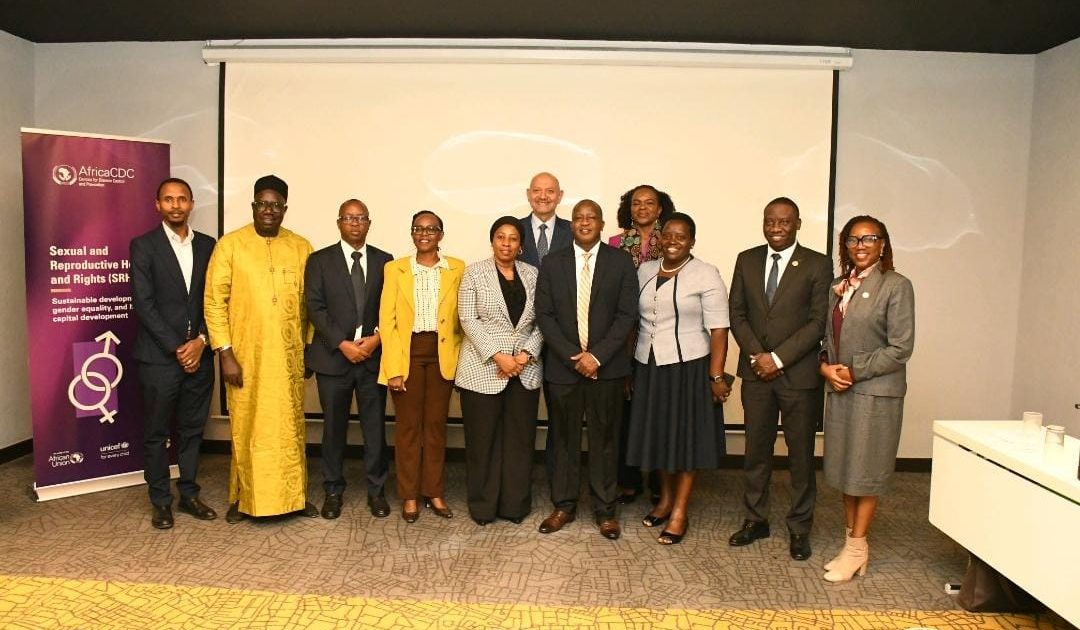
“We know what works in Africa. What we are supposed to do is implement it at a larger scale, finance it and ensure accountability for results,” she proclaimed during the opening of the Africa Centres for Disease Control and Prevention (Africa CDC) Regional Policy Validation Workshop on Reproductive, Maternal, Newborn, Child and Adolescent Health (RMNCAH) in Nairobi.
Mwalimu highlighted that the African Union Champion’s four-year roadmap is anchored on the ‘three zeros’ agenda—zero home deliveries, zero preventable maternal and newborn deaths and zero unvaccinated children—to mobilise political leadership, strengthen accountability and promote sustainable financing across member states.
She stressed that success would not be measured by policy documents but by tangible improvements in health outcomes.
“Our success will not be measured by the quality of the policy document or the reports. It will be measured by the number of women whose lives are saved, the newborns who survive and thrive, and children who receive life-saving vaccines,” she asserted.
On her part, Head of the Africa CDC Division of Maternal, Newborn, Child and Adolescent Health, Dr. Diana Nambatya Nsubuga, outlined that Africa is facing declining external health financing, increasing disease outbreaks and continued dependence on imported health commodities, underscoring the need for stronger health systems and greater self-reliance.
She observed that although Africa has made progress in reducing maternal and child mortality, the pace remains insufficient to achieve the Sustainable Development Goals by 2030.
“The challenge is no longer knowing what works. It is scaling that works,” Dr. Nsubuga established, calling for increased domestic financing, resilient primary healthcare systems, digital transformation and expanded local manufacturing of vaccines, diagnostics and therapeutics.
Dr. Nsubuga added that Africa CDC is encouraging member states to finance at least 50 percent of health expenditure through national budgets while reducing reliance on donor funding.
She also announced that 50 of the African Union’s 55 member states had submitted responses to the continental reproductive health assessment, representing a 91 percent response rate, and appealed to the remaining countries to complete the exercise.
Development partners in meantime echoed the call for stronger domestic investment in primary healthcare, community health workers, local manufacturing and evidence-based decision-making to build resilient health systems and improve maternal and child health outcomes across Africa.
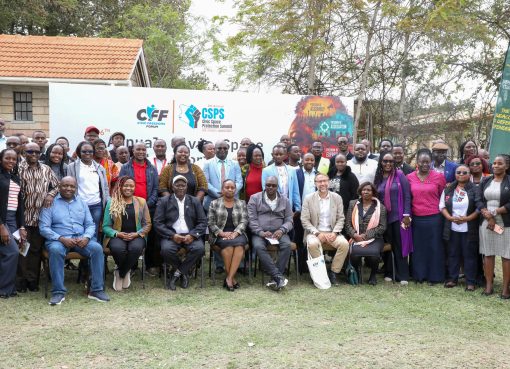
Meanwhile, the three-day workshop has brought together policymakers, technical experts and development partners from Eastern and Southern Africa to validate findings of a continental assessment that will inform future reproductive, maternal, newborn, child and adolescent health policies across African Union member states.
By Zipporah Odionyi/Lilian Gichohi