Public servants have called for urgent reforms to the Social Health Authority (SHA), citing delays in accessing treatment, lengthy pre-authorisation procedures, biometric verification failures, and inadequate customer support.
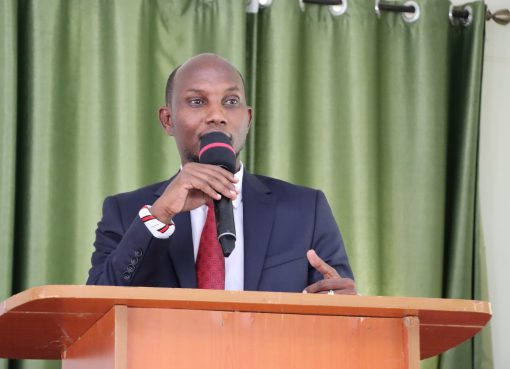
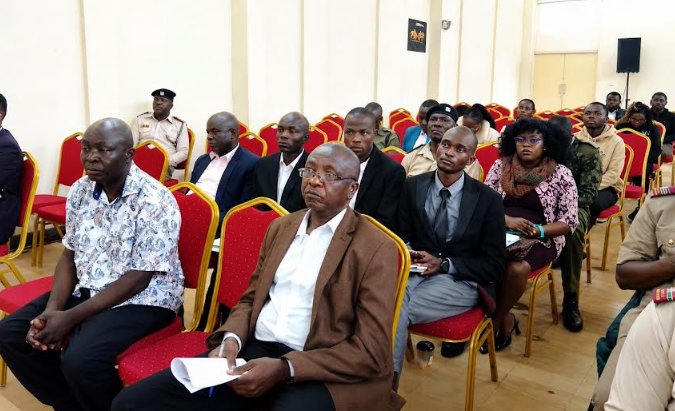
During a public participation forum held in Kakamega town, stakeholders urged SHA to establish dedicated customer service desks and expand its physical offices to enable members to report denied claims, seek assistance, and receive guidance on registration and benefits.
Participants also called on the authority to publish monthly performance reports to improve transparency, accountability, and public confidence in service delivery.
A key proposal raised during the forum was the need to guarantee continued medical cover for retired public servants. Stakeholders recommended that monthly SHA contributions for retirees be integrated into pension arrangements to ensure uninterrupted access to healthcare after leaving employment.
Responding to the proposal, Kakamega SHA Branch Manager John Lemiso Tago and Union of Kenya Civil Servants (UKCS) representative Julius Meto assured participants that the recommendation would be forwarded to relevant policymakers for consideration.
Teachers attending the forum expressed concern that although SHA contributions are deducted from their salaries every month, many continue to experience difficulties accessing healthcare services. They cited delayed One-Time Password (OTP) verification, biometric authentication failures, and prolonged pre-authorisation processes, saying the challenges often delay treatment and affect patient care.
Prison officers appealed to the authority to allow inmates without national identity cards to register for SHA using prison identification documents. Participants also sought clarification on how foreign nationals seeking treatment in Kenyan hospitals are accommodated under the scheme.
Under the current arrangement, employees contribute 2.75 per cent of their gross monthly salary to the scheme, while lower-income earners pay a minimum monthly contribution of Sh300.
Despite the operational challenges, participants acknowledged that SHA, which has been operational for about 18 months, has enabled many Kenyans, including expectant mothers, to access healthcare services. However, they insisted that the authority should address existing bottlenecks to improve efficiency and restore public confidence.
The discussions came as SHA announced the disbursement of Primary Health Care (PHC) funds for the 2025/2026 financial year, covering all claims processed up to January 2026 and clearing arrears accumulated between January and June 2025.
SHA Chief Executive Officer Dr. Mercy Mwangangi said the payments would enable contracted healthcare facilities to continue providing uninterrupted services to patients across the country.
She added that the authority is preparing to release its first Primary Health Care Impact Report, which will provide details on county funding allocations, healthcare utilisation, common illnesses treated, medicine availability, and the financial burden of healthcare on uninsured Kenyans.
The public participation forum came as the government prepares to implement a review of salaries and allowances for public servants beginning in July, following President William Ruto’s directive to harmonise compensation across the public service.
Participants noted that the planned adjustments to gross salaries would improve the welfare of civil servants and complement ongoing government efforts to strengthen access to quality healthcare through the Social Health Authority.
By Cypron Esolio and Erick Mutua