Kenya’s 2025/2026 coffee auction season has closed with farmers earning Sh841.3 million from the sale of 17,765 bags of coffee, equivalent to 1,106 tonnes of clean coffee.
The final auction, Sale 42, held on Tuesday, however, recorded a lower average price of Sh38,140 per 50-kilo bag, down from Sh40,475 posted in Sale 39, as the industry prepares to usher in the new coffee year on October 1.
The latest price translates to about Sh. 762 per kilogramme of clean coffee, or approximately Sh. 117 per kilogramme of cherry before milling, marketing and other deductions.
The closing sale came amid continued efforts by coffee industry players to improve production, quality and market access as farmers enter the 2026/2027 coffee year.
New KPCU was among the leading brokers during the final sale, having sold 3,918 bags valued at Sh173.4 million. Alliance Berries followed with 3,806 bags worth Sh172.8 million.
Kipkelion sold 1,579 bags for Sh. 82 million, while Kirinyaga Slopes marketed 1,181 bags valued at Sh. 52.6 million. CEBBA sold 1,255 bags worth Sh49 million, among other brokers.
According to data from the Nairobi Coffee Exchange (NCE), seven dealers bought 16,546 bags, representing 82 percent of the total coffee offered during the sale, while the remaining 1,219 bags were purchased by other buyers.
Ibero Kenya Ltd accounted for 35 percent of the value of coffee purchased, followed by Louis Dreyfus at 13 percent, Kenyacof at 12 percent, C. Dorman at 11 percent and Taylor Winch at 11 percent.
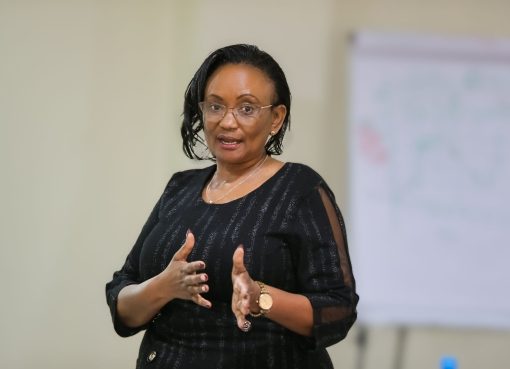
NCE chief executive officer Lisper Ndung’u said farmers offered 2,468 bags of grade AA, 7,049 bags of grade AB and 3,094 bags of grade C during the final auction.
She said 18 dealers participated in the closing sale, with Ibero Kenya emerging as the leading buyer after purchasing 5,696 bags, followed by Louis Dreyfus with 2,514 bags, Kenyacof with 2,070 bags and C. Dorman with 1,781 bags.
Ndung’u said 26 percent of the coffee offered during the final auction was certified, providing an indication of the growing importance of certification and traceability in accessing premium markets.
She called on coffee stakeholders to start the new coffee year with renewed efforts to increase production while maintaining quality to satisfy both local and international markets.
“As we usher in the new coffee year, stakeholders need to focus on increasing production of quality coffee that will satisfy the local and international markets,” Ndung’u said.
The 2026/2027 coffee year opens on October 1, with the industry also set to have an additional bank participating in the Direct Settlement System (DSS).
Stanbic Bank will operate alongside Cooperative Bank of Kenya in facilitating payments under the system, which is part of ongoing efforts to improve the efficiency and transparency of coffee payments.
The new coffee year is expected to place greater emphasis on increasing productivity at farm level, improving coffee quality, strengthening market access and ensuring farmers derive better returns from their produce.
For coffee-growing counties, the performance of the new season will largely depend on production levels, quality of beans, prevailing international prices and the ability of farmers and cooperatives to effectively access premium markets.
by Bernard Munyao