The National Gender and Equality Commission (NGEC) has launched grassroots dialogues in Meru, Kisii and Nyamira counties to address barriers hindering women from participating fully in political leadership ahead of the 2027 General Election.
The four-day engagements, running from Tuesday to Saturday, will focus on issues including gender-based violence, patriarchal practices, political party nomination procedures, campaign financing and other institutional barriers affecting women seeking elective positions.
In Meru, the Commission is led by its Chairperson, Rehema Jaldesa, and Commissioner Michael Nzomo, while Vice Chairperson Thomas Koyier, Commissioners Margaret Karungaru and Caroline Lentupuru, and Commission Secretary and Chief Executive Officer Dr Purity Ngina are leading engagements in Kisii and Nyamira.
The Commission is holding separate consultations with women, young people and older members of society, including community elders and religious leaders, before bringing representatives of the groups together with duty bearers to agree on specific county actions.
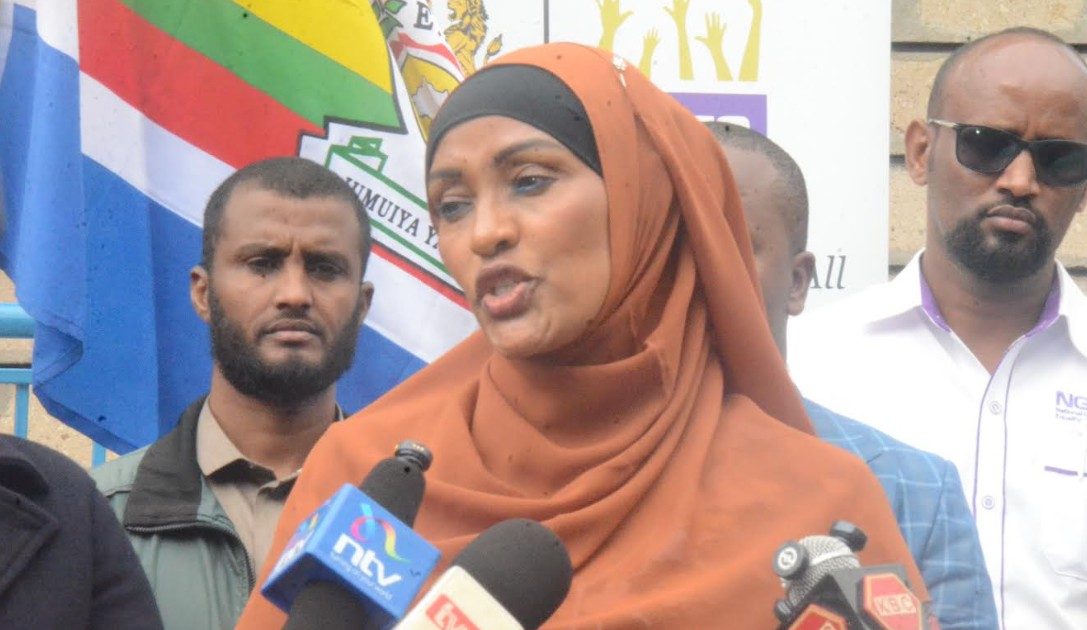
Speaking during a press conference, Jaldesa said women remain significantly under-represented in elective leadership in the three counties.
She said in the 2022 General Election, for instance, women secured only two of the 56 non-reserved elective positions in Meru, one of 56 in Kisii and none of the 26 positions in Nyamira.
“No woman was elected Senator or constituency Member of Parliament in the three counties, while Nyamira’s only woman elected at county level was the reserved County Woman Representative, Jerusha Momanyi,” said Jaldesa.
The chairperson said nationally, only 1,962 of the 16,100 candidates cleared to contest elective positions in 2022 were women, representing about 12 per cent of all candidates.
She said the figures indicate that barriers to women’s political participation occur largely before voting, rather than at the ballot.
“The electoral preparations for the 2027 General Election are already underway, following the publication of the electoral timetable by the Independent Electoral and Boundaries Commission (IEBC) on August 19, 2026.
Decisions being made in the coming months, particularly on political party nomination rules, will have a significant bearing on the participation of women and other special interest groups in the elections,” said Jaldesa.
She urged political parties to reduce nomination and registration fees for women, youth, persons with disabilities, older members of society and minority and marginalised communities.
Jaldesa further said the commission’s 2022 monitoring showed that six out of 10 Special Interest Group candidates financed their campaigns through support from friends and relatives, while about 27 per cent received financial support from their political parties.
She added that about half of the candidates surveyed described their campaign funding shortfalls as high.
She therefore called on political parties to publish nomination rules in accessible formats and local languages before certification, ensure Special Interest Group candidates are placed in positions with realistic chances of winning, and comply with provisions of the Political Parties Act on representation and use of the Political Parties Fund.
“The dialogues are expected to culminate in county declarations by special interest groups outlining commitments for inclusive electoral preparations and participation ahead of the 2027 General Election,” said Jaldesa.
She said each commitment should identify the responsible institution and include a deadline linked to the official electoral calendar.
The Commission will convene a review of the commitments before November 6, 2026 and publish a report on their implementation.
By Dickson Mwiti