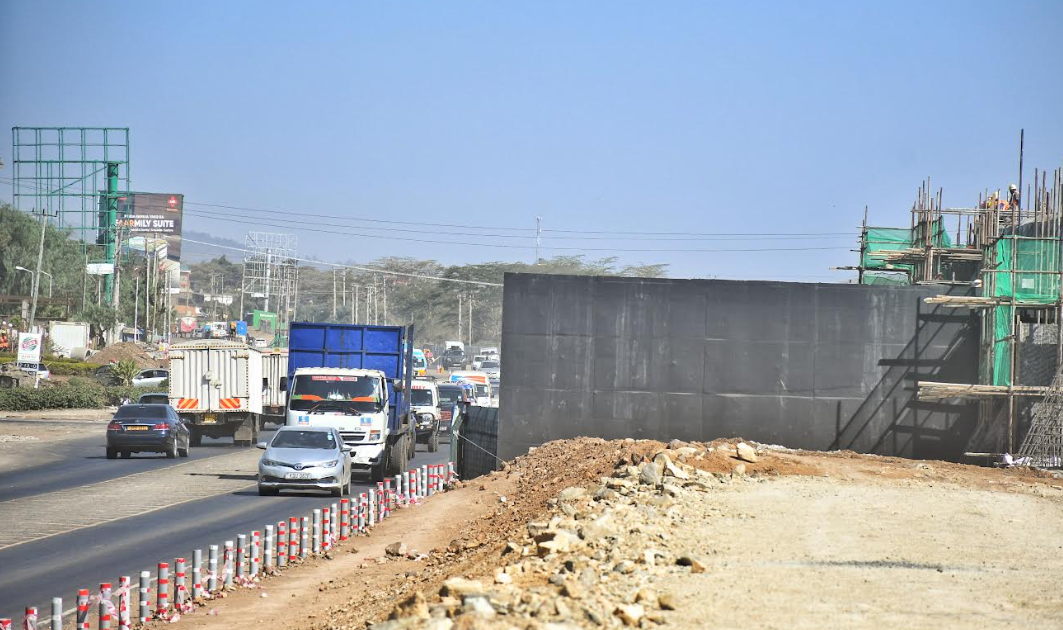
The Chinese contractor undertaking the construction of the Rironi – Mau Summit road is set to complete the tarmacking of the Rironi to Naivasha section by December, easing perennial congestion and marking a major reprieve for motorists.
The Sh200 billion road from Rironi in Kiambu through Naivasha to Mau Summit in Nakuru County, which started last year in November, is expected to expand the Northern transport corridor and ease perennial traffic congestion that has hampered transport along the crucial route.
The government signed a fresh contract with China Road and Bridge Corporation (CRBC) to undertake the expansion works for the 233-kilometre highway after cancelling the previous contract that had been awarded to a French firm.
CRBC is also expected to expand the dual route from Rironi via the Naivasha section and the Mai Mahiu-Naivasha route, which usually attracts high traffic for long-distance trucks transporting cargo to the western region and neighbouring countries.
The initiative is similarly expected to unlock opportunities for Naivasha town at a time when the government, in partnership with the County Government of Nakuru, seeks to make the Lakeside town a resort city by the year 2030.
Already hundreds of youths, both skilled and unskilled, have benefited from job opportunities from the ongoing works, unlocking economic potential that has spilt over to small businesses along the route.
According to the project manager for the Rironi-Naivasha-Gilgil section, Eric Yu, the ongoing construction works stand at 80 percent with the tarmacking expected to be completed by December this year.
Yu said the company is adopting modern technology along the major and much-anticipated highway, including the installation of solar panels to power major operations of the road.
“We are on course to complete the Rironi-Naivasha section of the expanded highway, and we are planning to install solar panels that will power major operations to the tune of 3 million watts,” said Yu.
Speaking on the sidelines of an engagement with the Kenya National Highways Authority (KeNHA) in Naivasha, Yu said the solar panel installation is part of the company’s environmentally friendly initiatives.
Charles Omolo, the Director for Public-Private Partnerships (PPPs) at KeNHA, said the road designs have been completed, and the construction works from Rironi to Mau Summit currently stand at 20 per cent.
Omolo said the multi-billion-shillings highway from the Rironi in Kiambu to the Nakuru section is expected to be completed by June next year, easing perennial congestion and traffic along the northern corridor.
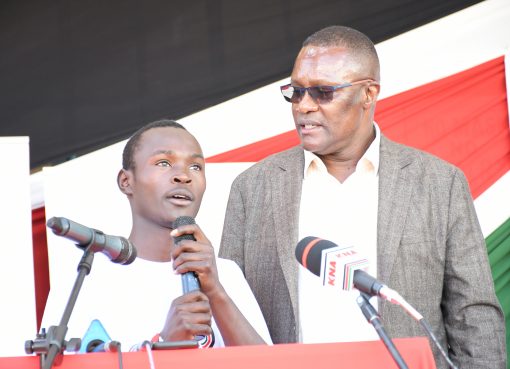
In addition, Omolo, who was speaking during a tree nursery establishment at Naivasha Maximum Prison, said KeNHA will undertake a 20,000-tree planting exercise along the highway stretch to restore already cut-down trees.
“The Naivasha-Nakuru highway section, which will include six lanes, will be completed by June next year and is expected to ease perennial traffic congestion and address the worrying rise in road accidents,” said Omolo.
In addition, Omolo said KeNHA has already undertaken land valuation of the affected land along the routes and compensated the affected individuals to ease the road construction that is expected to ease movement of passengers and cargo along the major route.
Nakuru Deputy Governor Davis Kones said the road, once completed, will be a game changer to the county’s economic development by boosting businesses along the routes.
Kones said the road will also ease traffic flow and unblock decades of congestion that has paralysed transport, affecting motorists for years.
KeNHA director for design Engineer Monica Abonyo said the agency’s plan to plant trees along the major highway is part of conservation efforts that seek to achieve an environmentally friendly highway.
The tree-planting exercise comes after trees along the route were cut down to pave the way for the major expansion works of the highway, with environmental conservationists raising concerns over the issue.
Once completed, the multi-billion-shillings project is expected to unlock and breathe fresh air to motorists, businesses, and investors, with land valuation and properties fetching a remarkable price.
By Erastus Gichohi and Orpah Gesare