The East African Community (EAC) is seeking to strengthen youth participation in agriculture through the implementation of regional policies, improved access to agribusiness opportunities, and the establishment of a national youth coordination platform.
The initiative is part of efforts to translate the Comprehensive Africa Agriculture Development Programme (CAADP) Kampala Declaration and the EAC Regional Agri-Food Systems Investment Plan (RASIP) 2026–2035 into practical interventions at the national level.
Speaking during a national capacity-building workshop in Nairobi today, EAC Head of Agriculture and Food Security Dr David Balikowa said the success of the regional commitments depended on the capacity of stakeholders to understand and implement the policies.
Dr. Balikowa, who delivered remarks on behalf of EAC Deputy Secretary-General Andrea Ariik, said the regional investment plan prioritises agricultural productivity, value addition, regional trade, climate resilience, and the creation of decent employment opportunities, particularly for young people and women.
He said agriculture offered significant opportunities for employment, wealth creation and economic growth but required deliberate interventions to enable young people to participate effectively.
Dr. Balikowa noted that the EAC Secretariat was facilitating the establishment of a regional Youth in Agri-Food Systems platform to coordinate and sustain youth participation in transforming the sector.
The Secretariat has also developed a Youth in Agri-Business Portal to connect young people with training, mentorship, partnerships, market linkages and other opportunities.
He urged stakeholders to promote the use of the digital platform at national and sub-national levels, noting that it had attracted nearly 3,000 registered youths from eight EAC partner states.
The workshop is expected to strengthen understanding of the Kampala Declaration, improve national capacity for implementation and reporting, and support the establishment of a Kenyan national youth platform affiliated with the regional mechanism.
The ministry of EAC ASALs and Regional Development Assistant Director James Wambua Ukulo said the discussions should help young people understand how continental, regional, and national agricultural frameworks translate into opportunities for them.
He challenged participants to develop a practical action plan outlining how Kenyan youth could participate in agricultural value chains and benefit from the commitments.
Wambua said young people needed both technical expertise and soft skills to succeed in agribusiness, adding that the EAC remained committed to creating an enabling environment for them to grow their enterprises locally and across the region.
Balikowa, who has worked in the agriculture sector since 1992, observed that labour-intensive farming, low returns, limited access to land, and expensive credit continued to discourage young people from investing in agriculture.
He said aspiring agripreneurs also faced high investment costs associated with acquiring planting materials, livestock breeds, renting land, value addition, and transporting produce to markets.
“We are urging stakeholders to tackle the barriers preventing young people from entering the sector. Climate-related shocks, including droughts and excessive rainfall, exposed farmers to losses that could undermine their businesses.
Dr. Balikowa encouraged young people to embrace modern farming methods and technology to improve productivity, strengthen supervision and reduce losses.
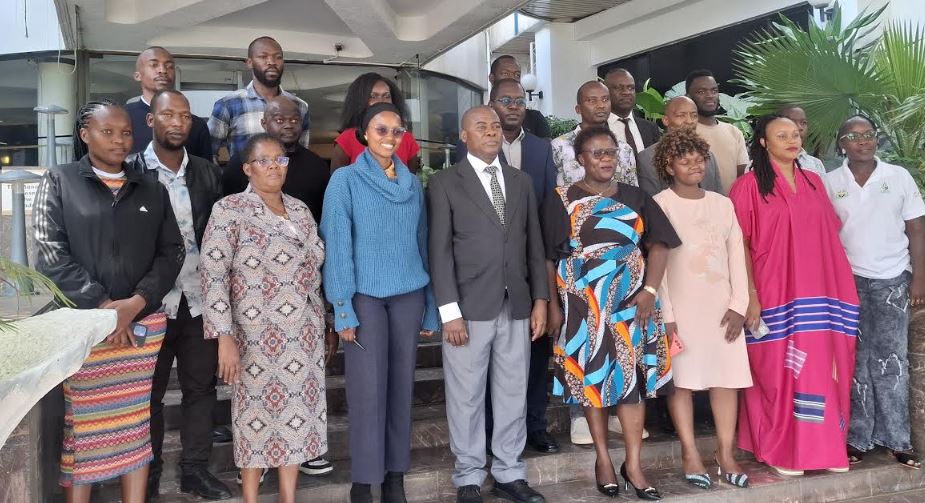
The two-day workshop, convened by the EAC Secretariat with financial and technical support from the Alliance for a Green Revolution in Africa (AGRA), is part of a regional initiative to strengthen the implementation of agricultural policies and youth empowerment.
Kenya is the second EAC partner state to host the capacity-building exercise, following Uganda.
Participants are expected to agree on a roadmap for establishing and sustaining the national youth platform, expanding membership of the EAC youth portal, and strengthening young people’s participation in agricultural policy development and implementation.
By Wangari Ndirangu