Kenya has intensified preparedness measures for the anticipated El Niño weather conditions, with the Government calling for stronger early warning systems and last-mile dissemination of crucial information to protect lives, livelihoods and critical infrastructure.
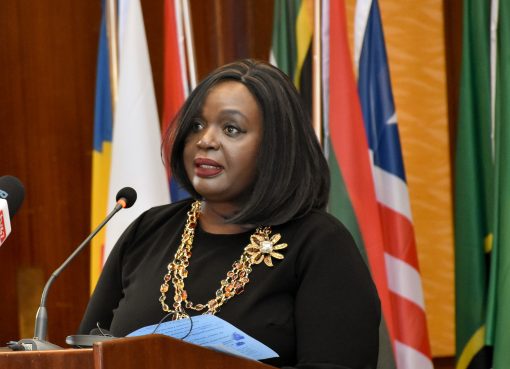
Cabinet Secretary for Environment, Forestry and Climate Change, Dr Nancy Barasa, said the Government was shifting from a largely technical approach to a people-centered weather forecasting and early warning system to ensure communities could translate forecasts into practical action.
Dr Barasa said accurate, timely, verifiable and science-driven forecasts would only be useful if the information reached farmers, pastoralists, fishermen, aviation operators and other communities who depend on weather information to make critical decisions.
“It is not enough for the focus to remain on the websites or computers. It has to reach the farmer to know that they are short for rainfall, what are the plants that should be planted,” she said.
The CS said meteorological information was also critical to sectors such as health, transport, education, agriculture and the blue economy, adding that stronger coordination between the Kenya Meteorological Service Agency (KMSA) and Government ministries would ensure forecasts were contextualised for different sectors.
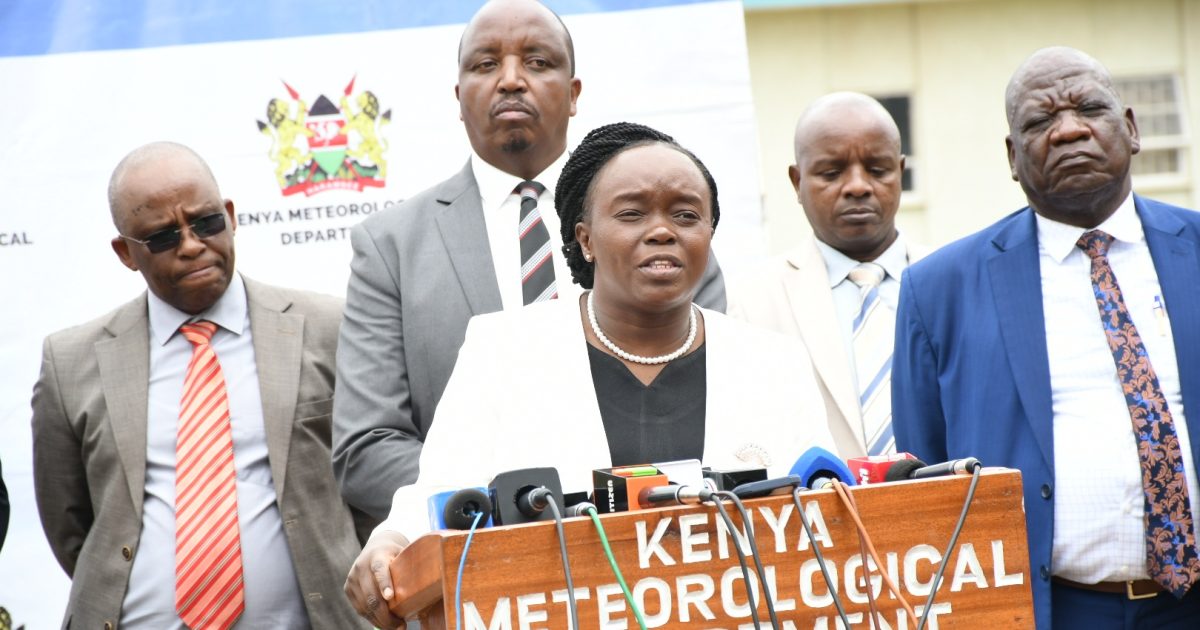
Addressing the government’s preparedness on the upcoming El Nino rains at Kenya Meteorological Department Headquarters on Wednesday, the CS said the Government was developing priority regulations to strengthen the legal and institutional framework governing meteorological services, building on existing constitutional and legislative provisions.
Dr Barasa said KMSA’s vision was to become a world-class and trusted institution driven by science and innovation, with a mission centred on accuracy, timeliness, accessibility and actionable information to enhance climate resilience.
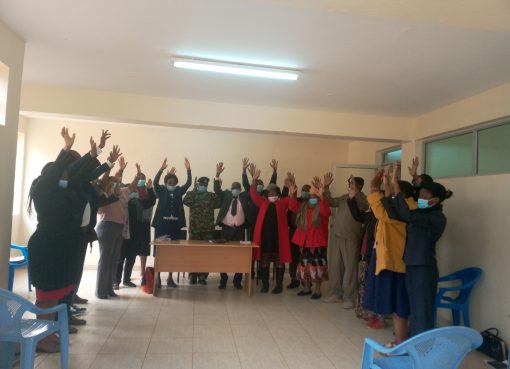
Dr Barasa said the Government would intensify last-mile delivery of weather information through county structures, village elders and community engagement forums.
She said capacity-building programmes would be undertaken to ensure communities understood weather warnings and could prepare appropriately for extreme weather events.
She said village elders would play an important role in identifying vulnerable areas, including locations prone to floods and landslides, and mobilizing communities to respond to early warnings.
The CS expressed the need to provide schools with early information on possible flooding, enable transport authorities to identify alternative routes and help farmers prepare for excessive rainfall.
Barasa warned that the anticipated El Niño conditions could result in riverine and flash floods, urban flooding, overflowing lakes, landslides, lightning strikes, strong winds and the overflow of dams and water ponds.
She called for a whole-of-government and whole-of-society approaches to mitigate the effects, saying preparedness and readiness were critical in protecting lives and livelihoods.
Dr Barasa said the Ministry was working with the National Disaster Operations Centre, Ministry of Interior, Agriculture, Water, Health and other Government agencies under a coordinated approach to protect Kenyans from the effects of extreme weather.
The CS also said the Government was strengthening quality control and international standards in meteorological services, including efforts towards an ISO-accredited facility to ensure that Kenya’s meteorological information meets international standards.
She said stakeholders had developed a 100-day action plan focusing on the legal and institutional framework, staffing, infrastructure, observation and data systems, strategic and investment plans, and early warning.
Barasa further linked improved weather forecasting to the country’s broader development agenda, including food and water security, renewable energy, the blue economy, climate resilience and the Government’s tree-growing programme.
She noted that Kenya had made significant progress in digitizing meteorological data and integrating its systems with regional and global platforms under the World Meteorological Organisation (WMO).
The CS said Kenya remained a key player in early warning systems, noting that the country’s meteorological data was critical to regional and global operations, including the aviation industry.
Acting Director of Meteorological Services at the Kenya Meteorological Department Edward Maina Muriuki said scientific evidence indicated that the El Niño signal was firmly established and continuing to intensify.
He said WMO forecasts showed a near 100 per cent likelihood that the phenomenon would persist through February 2027, with exceptionally warm tropical Pacific Ocean conditions supporting further intensification.
Muriuki, however, cautioned against assuming that the current event would necessarily produce rainfall patterns similar to those experienced during the 1997-1998 El Niño.
He explained that the 1997-1998 event was accompanied by a strong positive Indian Ocean Dipole (IOD), whereas the IOD was currently neutral.
He said seasonal forecasts indicated that most parts of the country were likely to receive above-normal rainfall, defined as more than 125 per cent of the seasonal average, while below-normal rainfall was below 75 per cent.
The department also expects mean temperatures to remain warmer than average during the season, with higher probabilities of above-average temperatures in Kwale, Kilifi, Mombasa, Lamu and parts of Tana River, Taita Taveta and Garissa counties.
Muriuki said rainfall onset would vary across the country, with rains in western areas expected to begin in September and continue through January, with a possibility of extending beyond that period.
In other parts of the country, he said rainfall was expected to begin between the second and fourth weeks of October.
Muriuki said the meteorological department had moved from knowledge-based forecasting, which primarily focused on “what will the weather be like?” to impact-based forecasting that seeks to answer: “what will the weather do?”
by Aron Kinyamasyo