By S, KNA
As modern life races forward, many of Kenya’s young people are losing touch with the traditions and taboos that once safeguarded their ancestors from misfortune, elders from Vihiga have warned.
In the traditional Luhya community, where ancestral customs have guided generations, concerns are growing that the younger generation—especially in cities—is disregarding the deep-rooted cultural laws that once governed marriage and kinship.
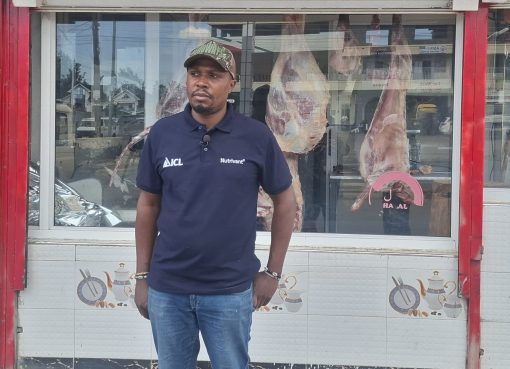
“Nowadays, young men and women meet in towns and marry out of love, without checking their family or clan backgrounds,” says Mzee Laban Lusaga Ayio, a respected elder of the Vafunami clan. “Some end up marrying from the same clan or bloodline, and that is how misfortune strikes a family.”
According to Luhya tradition, unions between people of the same clan are strictly forbidden. Such relationships are believed to carry a powerful curse that brings suffering and sorrow to those who break the sacred laws of kinship.
“The curse of incest is real,” Mzee Laban explains gravely. “Our forefathers warned us that it brings death, barrenness, and endless tragedy. Those who defied this taboo in the past paid a heavy price.”
In generations past, the birth of a child from such a union was considered a dark omen. Custom dictated that the infant be taken from its mother and raised by an elderly barren woman, believed to absorb the burden of the curse. Even then, the shadow of misfortune was said to linger over the family for years.
Mzee Laban recalled stories of families struck by strange illnesses, mysterious deaths, or what they describe as “red thighs”—a symbolic mark of the forbidden act. These tales, passed down through oral tradition, served as warnings to future generations about the dangers of ignoring ancestral wisdom.
But with the rise of modern values and inter-clan mobility, such traditions are fading fast. Many Gen Z couples, unaware of their clan identities, are unknowingly crossing forbidden lines.
“Times may change,” Mzee Laban cautions, “but taboos do not. Tradition remains the same. When we forget where we come from, we invite problems that our ancestors worked hard to protect us from.”
while the modern world moves forward, the roots of tradition must not be left behind. The stories, taboos, and sacred laws that have bound communities together for centuries are not relics of the past—they are reminders of identity, unity, and respect for ancestry.