Fishermen on Lake Naivasha have backed temporary restrictions on fishing in areas with declining stocks and breeding grounds but rejected a blanket closure of the lake for fish regeneration.
The fishermen said targeted closures would allow fish stocks to recover while enabling them to continue earning livelihoods from areas where fishing is permitted.
Speaking during a stakeholders’ consultative meeting on proposed amendments to the Fisheries Act in Naivasha, Tarambeta Beach Chairman Rajab Omari said the proposed closure provisions should not be interpreted as shutting down fishing activities across the entire lake.
Omari said any temporary suspension should be based on evidence of declining fish stocks, with the Kenya Fisheries Service, county government and stakeholders jointly determining the areas and appropriate duration of restrictions.
He called for fishermen to be given adequate notice before restrictions take effect to facilitate compliance and coordinated management of the lake’s resources.
Omari also said fishermen should be given sufficient time to comply with regulations governing fishing gear, particularly provisions banning the use of illegal nets.
The Kenya Marine and Fisheries Research Institute (KEMFRI) has raised concern over declining fish catches in Lake Naivasha, with annual landings falling from 3,400 metric tonnes in 2019 to 1,050 metric tonnes last year.
Karagita Beach Chairman Jeremiah Mutiso said fishermen had initially opposed the closure provision during public participation but had since accepted temporary restrictions lasting between two and three months to allow fish stocks to recover.
“We initially opposed the closure provision, but we now support temporary restrictions for two to three months to allow fish stocks to recover,” said Mutiso.
He urged authorities to ensure fishing laws passed by Parliament take effect immediately after enactment, warning that delays in implementation create uncertainty among fishermen.
Mutiso also called for tighter surveillance to curb a resurgence of illegal fishing and urged licensed fishermen using banned nets to surrender them.
He said the current fishing situation remained relatively stable, with adequate fish stocks available in some parts of the lake.
Fisherfolk representative Josephine Wangui, who represents fishermen operating at Tarambeta Beach, called for practical enforcement of fishing regulations, including those governing permitted net sizes and types.
She said regulations should be implemented consistently instead of remaining on paper, noting that illegal fishing gear could undermine efforts to replenish fish stocks.
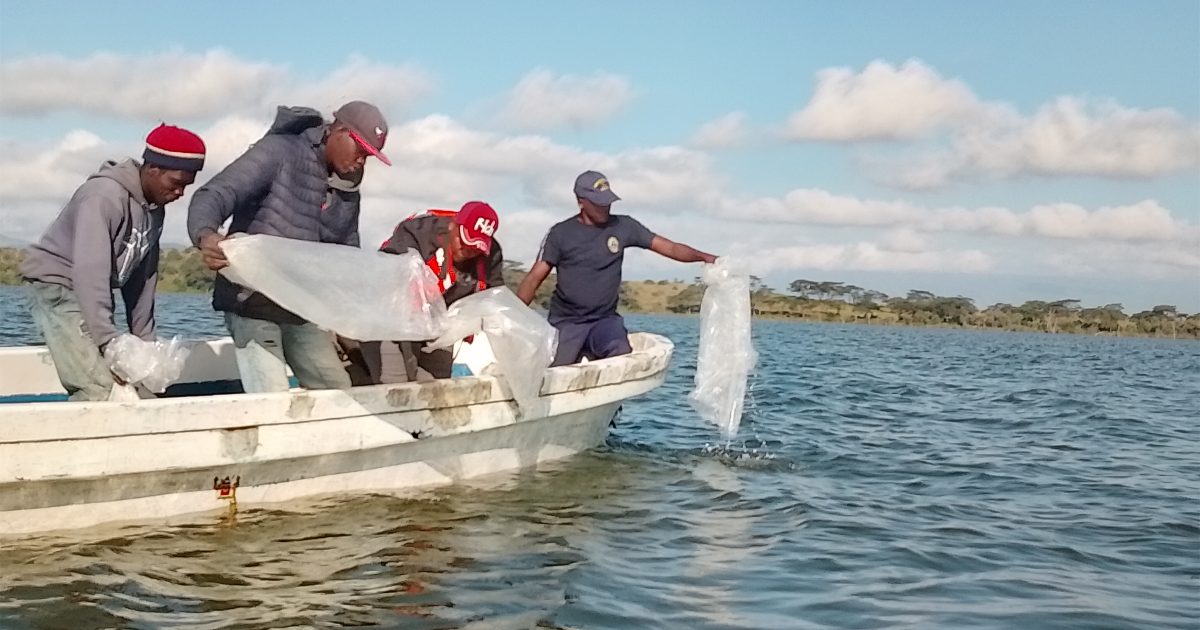
Wangui supported fish restocking programmes, citing positive results from previous exercises, and called for continued restocking whenever fish stocks declined.
On the proposed temporary fishing restrictions, she urged authorities to establish clearly designated breeding zones where fishing would be completely prohibited to allow fish to reproduce before spreading into areas open to fishermen.
“We should have specific breeding zones where fishing is completely prohibited so that fish can reproduce and replenish the lake before moving into areas where fishermen are allowed to fish,” she said.
Nakuru County Executive Committee Member for Agriculture, Livestock, Fisheries and Veterinary Services Leonard Bor said restrictions should be enforced in areas where fish stocks had declined and in designated breeding grounds.
Bor said the county government was working with stakeholders in the fisheries sector to eliminate the use of illegal and undersized fishing gear and promote sustainable exploitation of Lake Naivasha.
He added that the county had secured adequate resources for fingerling restocking exercises in various lakes within the county to replenish declining fish stocks.
The county official said sustainable management of fisheries resources required cooperation between government agencies, fishermen, researchers and local communities.
The stakeholders agreed that stronger enforcement of fishing regulations, protection of breeding areas, regulation of fishing gear and timely implementation of fisheries laws would be critical to restoring fish stocks in Lake Naivasha.
They said temporary restrictions based on scientific evidence could help protect breeding grounds while safeguarding the livelihoods of fishermen who depend on the lake.
By Erastus Gichohi/Beatrice Wanjiku