Persons with disabilities (PWDs) in Garissa have been encouraged to go for elective positions in the next General Election, with leaders affirming that they are equally qualified to compete for leadership roles like all other Kenyans.
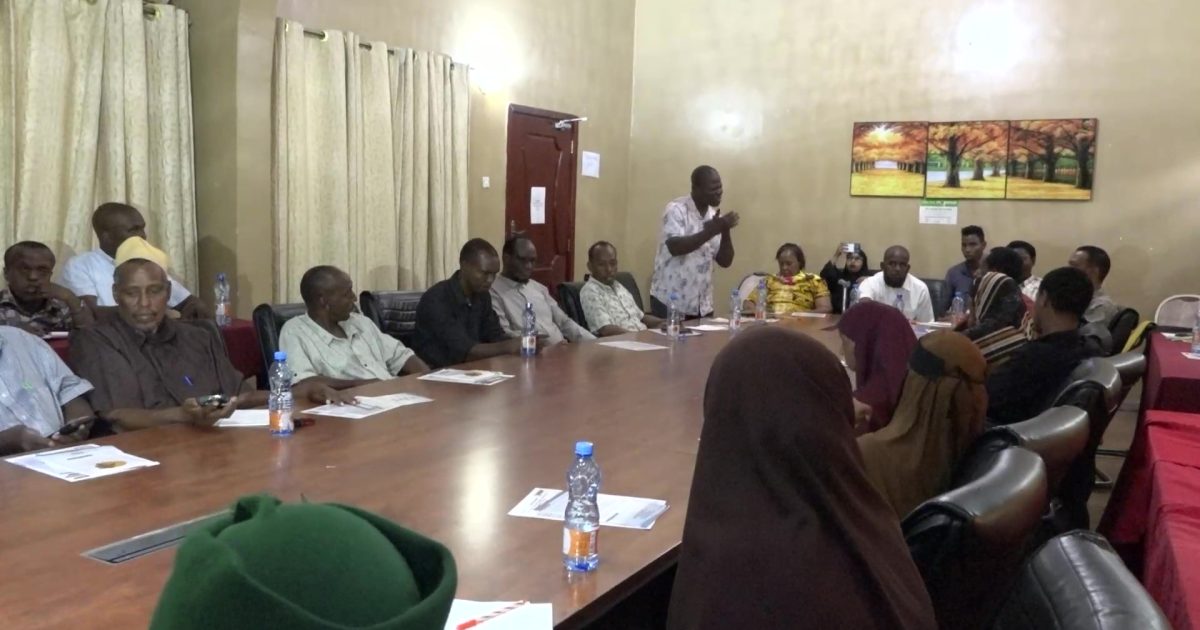
The call was made during a sensitization forum organized by the Office of the Registrar of Political Parties (ORPP), which brought together PWDs and Independent Electoral and Boundaries Commission (IEBC) officials from the county to discuss inclusive participation in political and electoral processes.
Speaking to the press after the session, ORPP North Eastern Regional Coordinator Ifrah Issa noted that the engagement formed part of the registrar’s commitment to ensuring inclusivity in political participation across all groups in the country.
“We have had these engagements with different stakeholders since Monday. We have spoken to county officials of political parties, women, youth, and today we had a forum with people living with disabilities here in Garissa. This is in line with ORPP’s commitment to democracy and inclusive participation in political and electoral processes,” she said.
Issa added that the discussions focused on how PWDs can actively participate in politics, including provisions such as the two-thirds gender rule and affirmative action measures that support PWD participation in political party funding and leadership structures.
IEBC senior elections officer in Garissa, Abdi Yunis Mohamed, urged PWDs not to shy away from contesting elective positions, noting that they are eligible to vie for all six elective posts in the country.
“We have sensitized them on matters elections, how they can participate, and we assured them that they are just like any other person. They can take part in any elective post and should not be left behind. We also shared information on nomination fees for all elective positions so they are free to make informed choices,” he said.
However, Garissa PWDs Chairperson Adan Bille expressed concern that despite willingness among some members to vie for leadership positions, financial constraints remain a major barrier to effective campaign participation, often forcing many to rely on nomination slots.
“Some of us want to vie for various seats, but mostly PWDs lack the financial muscle to run campaigns because nowadays politics is all about money. If you don’t have money, political campaigns become a challenge,” Bille said.
He further raised concerns about fairness in party nomination processes, calling on political parties to ensure transparency and reward loyalty and competence rather than favoritism.
“There is politics also in the nomination process. We want political parties to nominate people who are qualified and who have been loyal to the party for many years, not just those who join now and immediately get nomination slots,” he added.