The government, industry stakeholders, and training institutions have reaffirmed their commitment to deepening collaboration aimed at strengthening technical skills development and producing a globally competitive workforce.
This came during the opening of the Isuzu East Africa 2026 Grand Prix Technical Competition in Nairobi. Stakeholders underscored the importance of integrating Technical and Vocational Education and Training (TVET) with industry-led learning to bridge the gap between training and employment.
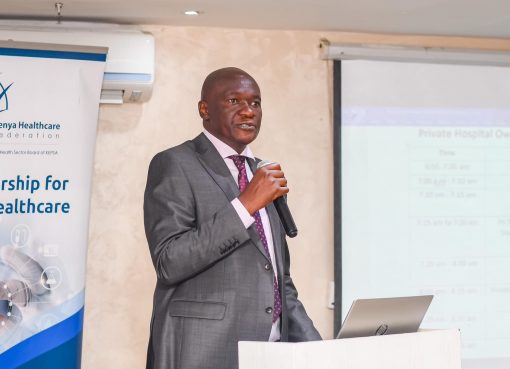
National Dual Training Coordinator at the State Department of TVET, Geoffrey Kamau, said the government is working to embed industry directly within training institutions through workplace-based learning, industrial attachments, and co-managed training facilities.
Kamau stated that the State Department for TVET and the Technical and Vocational Education and Training Authority (TVETA) partnerships with industry players are central to equipping trainees with hands-on skills aligned to modern workplace demands.
He noted that the ISUZU competition reflects real workplace conditions, describing it as a practical demonstration of how occupational standards are tested and refined.
“What we are witnessing is not just a competition but an applied demonstration of competency-based training in real working environments,” Kamau said.
He added that Kenya’s strong performance in international technical competitions is a result of deliberate collaboration between training institutions, employers, and industry partners.
Kamau further revealed that the government is exploring a “learn-as-you-work” model, where industries establish operational facilities within TVET institutions to enhance practical training.
TVETA officials highlighted ongoing reforms in quality assurance, curriculum standards, and skills recognition across the country.
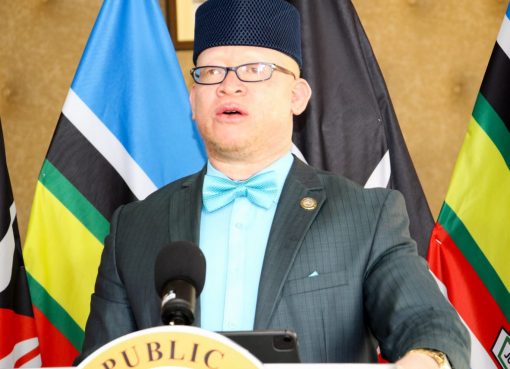
At the same event, TVETA Deputy Head, Human Resource Management and Administration Mohamed Bonaya highlighted the authority’s role in quality assurance, standards development, and skills recognition within the TVET sector.
He disclosed that TVETA currently oversees 1,689 registered training institutions, including 1,461 public institutions comprising national polytechnics, technical and vocational colleges, and vocational training centers across the country.
According to Bonaya, the authority has already developed seven training standards that have been gazetted and are currently in use, while an additional 10 standards are awaiting approval and gazettement from the office of the attorney general.
He also emphasized the growing importance of Recognition of Prior Learning (RPL), a system that certifies skills acquired through work experience and informal learning.
“RPL enables us to assess and certify competencies gained outside formal education systems,” Bonaya said.
The event also featured strong recognition of industry contributions by ISUZU East Africa, which was praised for its continued investment in technical training, mentorship, and provision of modern equipment to training institutions.
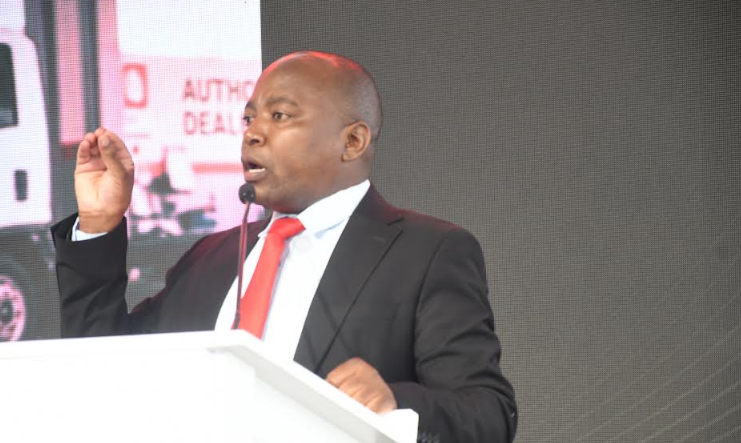
Some of the Isuzu East Africa officials, including Director After Sales-Leasing and Channel Development Ndengwa Mwangi, said the Grand Prix Technical Competition provides a platform for technicians, service advisors, parts advisors, and sales teams to demonstrate skills while benchmarking against global industry standards.
“The competition includes diagnostic tests, fault resolution, theoretical assessments, and team-based technical tasks designed to mirror real workplace challenges under Competency-Based Education and Training (CBET),’’ he stated.
In remarks highlighting the broader ISUZU global network performance, Mwangi noted that participation in international competitions has strengthened technical capacity and improved service delivery across dealerships.
Backing the statement, Isuzu East Africa Dealer Council Chairman George Wambugu cited the recent achievements in global competitions where teams have ranked among the top performers in Africa and secured strong international placements, reinforcing the value of continuous skills development.
“Technicians who participate in such events are said to bring back advanced knowledge and best practices that improve service quality and operational efficiency across the region,’’ he stated.
The competition also emphasizes inclusivity, with Leah Wanjiku—IEA Sales, Service, and Spare Parts dealer—highlighting the efforts to increase women’s participation in technical and automotive careers.
This aligns with broader reforms aimed at making technical professions more accessible and equitable across all sectors of society.
Isuzu also announced plans to strengthen after-sales services, including dealer development, availability of genuine parts, and expanded training for technical teams.
Top-performing technicians and dealers will be rewarded with cash prizes, merchandise, and international exposure opportunities. Selected winners will also represent the region in upcoming global competitions in Japan.
Officials from both government and industry emphasized that sustainable skills development depends on strong collaboration between training institutions, government, and private sector players.
Wambugu said the government provides the policy framework, institutions offer learning environments, and industry serves as a “living laboratory” for practical experience.
“When these elements come together, we produce not just graduates but competent professionals ready for both local and global markets,” he said.
The Isuzu East Africa Grand Prix Technical Competition continues to serve as a critical platform for strengthening industry-academia collaboration, promoting technical excellence, and advancing Kenya’s vision of a skilled, competitive workforce.
As reforms deepen, stakeholders say the focus remains on expanding workplace-based learning, improving training standards, and ensuring that technical education remains aligned with evolving industry needs.
By Aron Kinyamasyo