The Ministry of Health has warned of a possible rise in waterborne diseases as Kenya prepares for El Niño rains, urging county governments, water providers, city authorities and residents to strengthen preparedness measures.
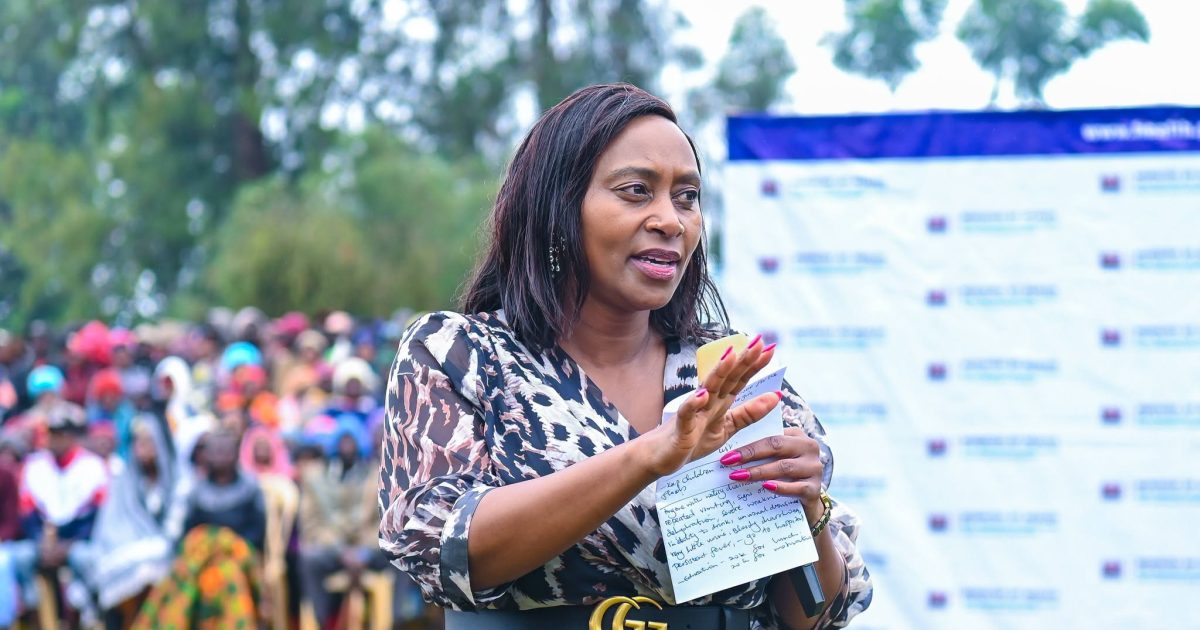
Principal Secretary (PS) for the State Department of Health and Professional Standards Mary Muthoni said priority should be placed on preventing water contamination, strengthening disease surveillance and ensuring patients can access timely treatment.
by Mutai Kipng’etich
Muthoni said major urban centres, including Nairobi, Mombasa, Kisumu and Eldoret, require particular attention because heavy rains could increase the risk of water contamination, sewage leakages and poor sanitation.
Speaking during the Jamii Imara Initiative Forum in Karumandi, Kirinyaga County, the PS urged authorities to inspect drainage systems, safeguard water sources and ensure reliable water supplies and sanitation services.
“We also need to check on drainages, check on reliable water supplies, sanitation, where there’s limited sanitation. So, this is the high time we really need to come out and be able to provide solutions,” she said.
Muthoni said the health sector’s El Niño contingency plan provides a framework for coordination between the national and county governments, particularly as heavy rains could increase the risk of cholera, typhoid, dysentery and other diarrhoeal diseases.
“We have already given advisory to the counties and we are calling upon the county departments to ensure that they can work with the water utilities and management to intensify water quality monitoring and address sewage leakages,” she said.
She directed health facilities to verify stocks of oral rehydration supplies, essential medicines and infection-prevention materials. Facilities were also asked to assess staffing levels, backup water supplies and referral arrangements to ensure they can respond effectively to increased demand.
The PS further called for strengthened disease surveillance to enable health authorities to identify emerging outbreaks early and respond before they spread.
“We must also be able to see reports that are given from the ground, from the surveillance department so that we can detect the patterns around our communities,” she said.
Muthoni urged development partners to align their interventions with gaps identified by counties in water, sanitation, disease surveillance and treatment preparedness, saying this would ensure resources are effectively pooled ahead of the rains.
She called for special attention to children, pregnant women, older persons, persons with disabilities and displaced families, who she said are particularly vulnerable during periods of heavy rainfall and displacement.
“It is important for the community and the security teams to also come out and really protect these groups of people because they are the ones who suffer most when there is increased rainfall because of displacement and also emerging and re-emerging issues of public health interest,” she said.
Muthoni noted that each county has its own contingency committee to address local challenges, while national coordination is undertaken through a committee chaired by the Deputy President. The national committee identifies specific sector needs, which are then cascaded to counties.
She also urged Community Health Promoters (CHPs) to intensify household-level health education and remain alert to emerging health threats in their communities.
“I’m calling all our CHPs to ensure that they are alert, they understand what is happening within their locality, they work with other health teams so that we don’t have many outbreaks as may be anticipated in other areas,” she said.
by Mutai Kipng’etich