Many households in Kenya are grappling with the rising cost of living brought about by the fluctuating global oil prices.
In Nyeri, the impact is becoming apparent in the public transport, local markets and homes where families are being forced to make difficult decisions to weather the storms.
The cost of food, fuel, transport, electricity, and other basic commodities has continued to rise over the past few years.
For many Kenyans, salaries and daily earnings have remained the stagnant while expenses continue to skyrocket leading to severe financial struggles.
In Nyeri town people from different sectors shared their experiences on how the high cost of living is affecting their daily lives bringing to light the harsh reality facing many Kenyans.
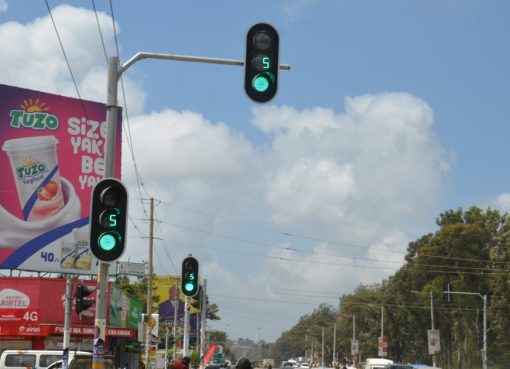
Fuel prices in particular have become one of the biggest concerns among the ordinary people since it cuts across virtually all other sectors.
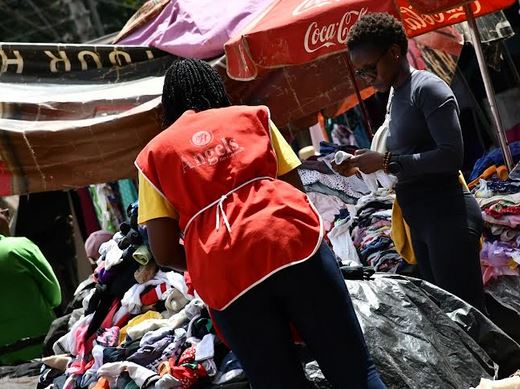
Many residents say they are diverting their money on basic necessities such as food and spending less on clothes that are being considered as luxuries.
Some have reduced meals, while others have cut down on transport costs by walking long distances.
The effects are hard-hitting especially among the low-income earners.
Farmers, traders, and small business owners are equally struggling to sustain their operations.
For majority workers in Nyeri, fare has become one of the most painful daily expenses.
Jack Ndirangu, has been commuting to work on a daily basis as the reality of the hard economic times hits home.
“I am forced to walk almost half the distance to work since I cannot afford the current fare. Sometimes I arrive late at my workplace,” he told KNA.
Ndirangu explained that balancing between fare and other household expenses has become increasingly difficult.
He disclosed that workers are now being forced to prioritize basic needs over comfort.
“Fuel has become expensive, and I urge the government to reduce fuel prices since it is the basic resource for all goods and services,” he appeals.
Joan Njeri, who makes her livelihood working in her field, laments that high fuel cost has reduced profits for farmers.
“The cost of transporting farm products from the farm to the market has risen, reducing the profit margin to a great deal,” she points out.
Njeri, says many farmers are currently struggling to stay afloat owing to the high production cost of inputs such as fertilizers, seeds, pesticides have been on an upward trajectory over the years.
She further blamed the recent demonstrations which she says only made things worse by disrupting businesses operations and leading to losses for farmers.
“Previous protests forced us to remain at home leading to losses of perishable goods such as milk and flowers,” she explained.
Small businesses rank among the hardest hit by the current economic meltdown now being aggravated by the Iran and the US stalemate over control of the Strait of Hormuz.
Traders say customers have reduced spending because many households are focusing on essential commodities.
Joyce Waithera, an apparel dealer in Nyeri town, says the rise in the cost of living has negatively affected her business.
“The high cost of living has resulted in an increase in the cost of our merchandise which has in effect kept customers away,” she said.
“This has led to a reduction in sales per day. I used to sell all my stock within a week, but now I struggle to make sales because customers cannot afford the price.”
Waithera told KNA customers are no longer buying clothes as before since most families are prioritizing food, rent, and school fees over outfits.
Her story mirrors the experiences of many traders in Nyeri’s open-air markets and shopping centers.
Some businesses have decided to reduce the number of workers to cut costs.
The retail sector largely depends on consumer spending.
However, when people have less disposable income, non-essential purchases decline.
To many families, adjusting with the changing times is no longer now an option but a critical necessity.
By Samuel Maina and Stephen Nderitu and Sharon Nashipae