The Jua-Kali sector has continued to emerge as a major driver of the economy in Tinderet Sub County, with hundreds of youth and women venturing into small-scale enterprises ranging from welding, carpentry, tailoring, motorbike repair, salons, shoemaking and food vending.
The sector has become a dependable source of employment and income at a time when formal job opportunities remain limited, with local leaders and business groups saying the number of young people joining informal enterprises has steadily increased over the last few years.
According to recent national statistics, the sector accounts for more than 83 percent of total employment and contributes between 24 and 32 percent of the country’s Gross Domestic Product.
The Kenya National Bureau of Statistics indicated that more than 18 million Kenyans were working in the informal sector by 2025, with most new jobs being created within the industry.
In the Sub-county, youth groups and women-led enterprises are increasingly dominating trading centres such as Maraba, Songhor, Chemase and Tinderet Centre, where small workshops and roadside businesses have become vibrant economic hubs.
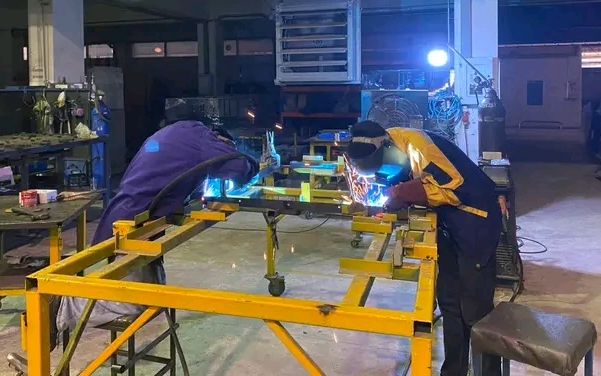
At Maraba Trading Centre, a group of youth involved in metal fabrication said demand for doors, windows, water tank stands and cooking stoves has been increasing due to the growth of residential housing projects in the region.
“We started with only two welding machines three years ago, but currently we have employed eight young people directly and several others earn from supplying materials,” said Collins Kiprono, a local artisan.
Women have also increasingly ventured into tailoring, beauty businesses, poultry farming and food processing enterprises, helping many families cope with the high cost of living.
Mary Jelagat, who operates a tailoring shop in Chemase, said many women have shifted from relying solely on farming to engaging in income-generating activities throughout the year.
“The business has enabled me to educate my children and also employ two girls who completed secondary school last year,” she said.
Local business leaders estimate that more than 60 percent of new micro-enterprises being established in the sub-county are youth-driven, while women account for nearly half of the workforce in the informal sector nationally.
The Sub-county Trade Officer, Joseph Keter, said the Jua Kali sector had significantly boosted local economic activity through production of affordable goods and services.
“The informal sector has become the backbone of the local economy because it is absorbing many young people who would otherwise remain unemployed. Small enterprises are now supporting thousands of households,” he said.
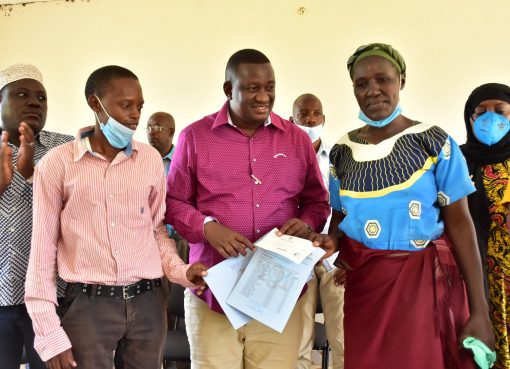
Keter noted that the county government has been encouraging youth and women groups to register businesses and access empowerment funds aimed at expanding enterprises.
He added that enterprises such as carpentry and furniture making were thriving due to increased demand for school furniture and household products, while boda boda repair and mechanics workshops were also creating employment opportunities.
Economic analysts indicate that Kenya’s informal sector created over 700,000 new jobs in 2024 and 2025 alone, underscoring the country’s heavy dependence on small-scale enterprises for employment creation.
Despite the growth, local traders cited limited access to affordable credit, lack of modern equipment and competition from cheap imported products as major challenges affecting the sector.
Some artisans also called for the establishment of modern Jua Kali sheds and aggregation centres within the sub-county to improve working conditions and market access.
“There is talent among the youth, but many lack capital and proper working spaces. If more support is provided, this sector can transform the economy of this area,” said carpenter Wilson Sang.
Stakeholders now say strengthening vocational training and improving access to government procurement opportunities could further expand the contribution of the Jua Kali sector in the Sub County and beyond.
by Sammy Mwibanda