Public health authorities have issued a stark warning regarding the widespread presence of aflatoxin-contaminated cereals in Kenyan marketplaces.
This discovery has renewed critical concerns regarding food safety standards and the efficacy of current public health safeguards.
The warning was prompted by data from the Kenya Agricultural and Livestock Research Organization (KALRO) after several tests on local market samples which revealed aflatoxin levels far exceeding official safety standards.
According to KALRO Director General Dr. Patrick Ketiem, some market samples tested at a staggering 500 10 parts per billion (ppb), a massive 50 times higher than the legal safety limit of just 10 ppb representing a severe violation of public health regulations.
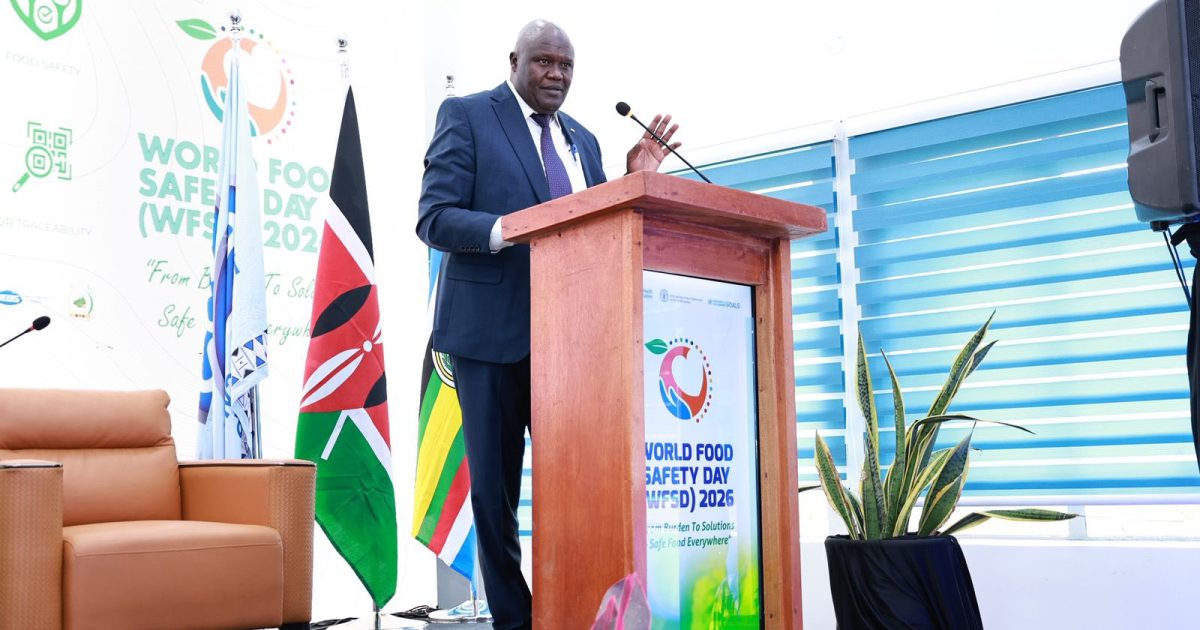
Speaking at a World Food Safety Day event earlier this week, Ketiem made it clear that there are no exceptions when it comes to international standards noting that the World Health Organization has a strict limit set at 10 parts per billion, meaning anything over that margin fails safety protocols completely.
He noted however that the high cost of food safety testing made the problem worse as they are expensive making it nearly impossible for most small-scale farmers and traders to afford them.
“Safety testing costs are keeping ordinary farmers in the dark and if we want safer food, testing services must become cheaper and easier to reach,” said Dr. Ketiem.
Aflatoxins are dangerous toxins generated by fungal growth on improperly stored crops, including maize, sorghum, millet, and groundnuts.
As a leading food safety hazard in developing regions, chronic exposure to these contaminants is clinically linked to liver cancer, compromised immune function, birth defects and developmental delays in children.
The root of Kenya’s toxic grain crisis lies in how crops are treated after harvest with experts blaming terrible post-harvest handling, rushed or inadequate drying, and poorly ventilated storage facilities for creating the perfect breeding ground for dangerous aflatoxins.
Following the latest data, the Kenya Bureau of Standards (KEBS) has intensified its market surveillance to eliminate substandard food products and safeguard public health.
According to KEBS Quality Assurance Director Geoffrey Muriira, the regulatory body has deployed enhanced inspection protocols to guarantee that all retail cereals comply with established safety standards.
Highlighting food safety as a collective national responsibility, he noted that the bureau aims to drive this principle home across the entire agricultural and retail sector.
By Hellen Lunalo