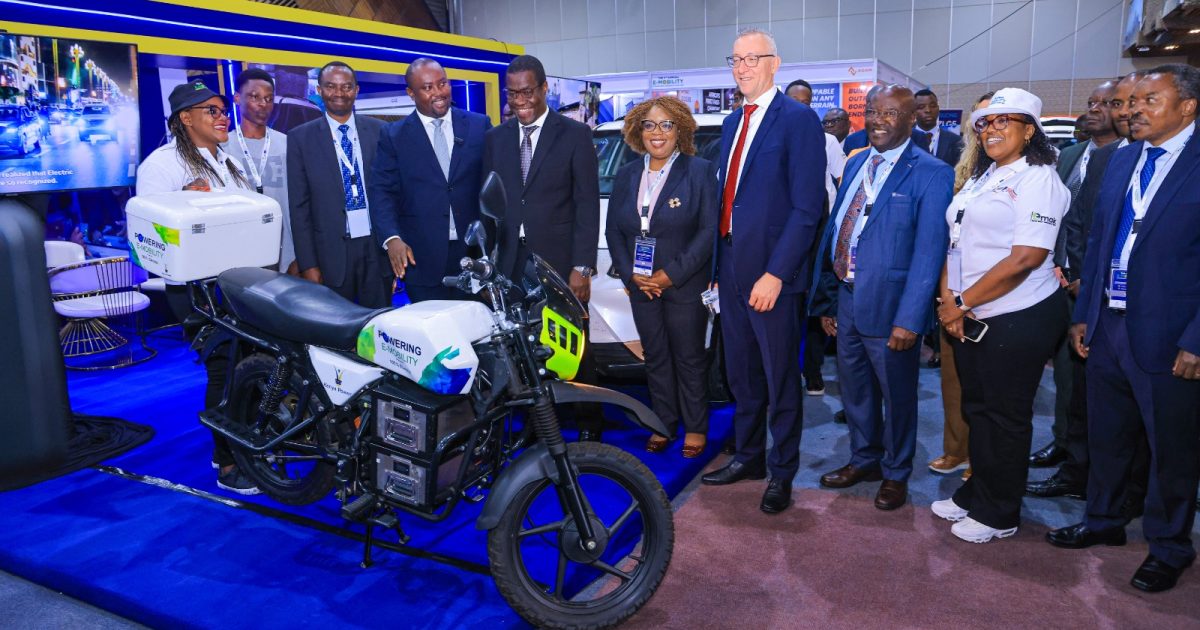
Kenya is positioning itself as a leading electric mobility hub in Africa, backed by rapid growth in Electric Vehicle (EV) adoption, increased investment and supportive government policies aimed at accelerating the transition to clean transport.
Speaking during the Fourth E-Mobility Conference and Expo at the Kenyatta International Convention Centre (KICC) in Nairobi, Energy and Petroleum Cabinet Secretary Opiyo Wandayi said Kenya was uniquely placed to lead the transition due to its renewable energy resources, which account for more than 90 per cent of the country’s electricity generation.
“As a country, we are uniquely positioned to lead the electric mobility transition. Approximately 90 per cent of our electricity generation comes from renewable energy sources,” said Wandayi.
He noted that the Government had established a supportive framework through the National Electric Mobility Policy, which seeks to accelerate EV adoption, strengthen charging infrastructure and support innovation in the sector.
Wandayi also cited President William Ruto’s declaration exempting the first 100,000 imported electric vehicles from duty as a key intervention aimed at reducing acquisition costs and attracting investment.
The Cabinet Secretary said increased adoption of electric mobility would help reduce reliance on imported fuel, improve air quality, lower transport costs and create employment opportunities while supporting the country’s green growth agenda.
Kenya Power Acting Managing Director David Syengo said the sector had experienced remarkable growth over the last three years, reflecting increasing consumer confidence and market expansion.
According to Syengo, electricity consumption by electric vehicles rose from 13,500 kilowatt-hours in July 2023 to more than 1.5 million kilowatt-hours in April 2026.
Monthly revenue from EV charging also increased from about Sh1 million to over Sh35 million during the same period.
“Cumulative electricity sales to the sector have surpassed 17 million kilowatt-hours, generating approximately Sh382 million in revenue,” he said.
Syengo noted that the growth demonstrated a shift from early adoption to mainstream uptake and assured investors that Kenya’s electricity grid has sufficient capacity to support future demand.
He added that Kenya Power would continue supporting the transition through grid expansion and strategic charging infrastructure.
Electric Mobility Association of Kenya (EMAK) Chairman Hezron Mose said Kenya’s EV market had expanded significantly, with registrations rising from about 2,000 vehicles in 2023 to more than 40,000 currently.
Mose attributed the growth to policy incentives, including tax measures and a dedicated electricity tariff for electric mobility.
He said the sector had attracted approximately 191 million US dollars in investment, created more than 1,000 direct jobs and facilitated technical training for over 12,000 people.
According to Mose, electric motorcycles, which account for the largest share of EVs in the country, are helping riders cut operating costs by between 40 and 50 per cent compared to conventional fuel-powered motorcycles.
He called for the speedy implementation of the proposed duty waiver on electric vehicles and the introduction of vehicle efficiency regulations to accelerate adoption and support Kenya’s clean transport agenda.
Industry stakeholders projected that Kenya could have more than 377,000 electric vehicles on its roads by 2030 if supportive policies and infrastructure investments are fully implemented.
by Zipporah Odionyi and Nancy Omondi