Kenya has unveiled a detailed strategy to transform the sugar sector into a bio-economy and energy hub by shifting from traditional sugar production to a diversified agro-industrial model focused on ethanol and renewable energy.
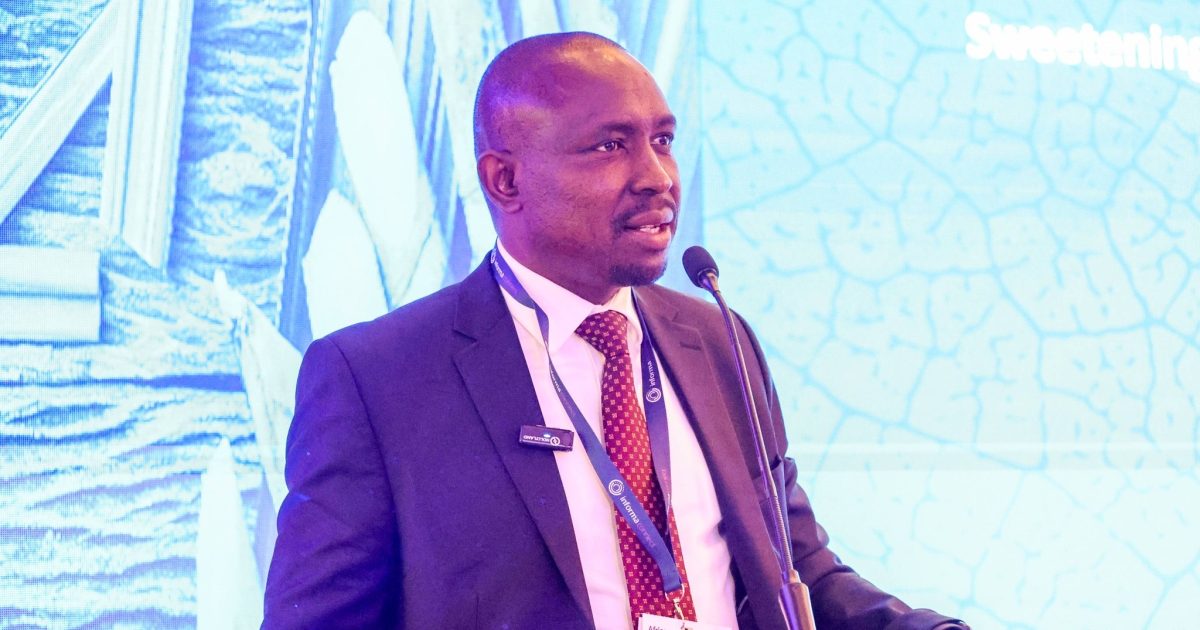
Addressing the Informa Africa Sugar Conference, Jude Chesire, CEO of the Kenya Sugar Board (KSB) and Chairman of the International Sugar Organization (ISO), said that they are moving “beyond sugar” to unlock the full value of sugarcane by converting byproducts into high-value outputs.
“We are rethinking the future through the lens of the bio-economy,” he stated.
Chesire disclosed that the strategy centers on scaling ethanol production from molasses, expanding green energy generation using bagasse for co-generation, and maximizing industrial use of molasses to ensure zero waste across the value chain.
This approach, he explained, positions the sector as a key driver of Kenya’s energy and manufacturing landscape, helping stabilize revenues, cut costs, and support over eight million livelihoods while advancing renewable energy goals.
“To support this transition, KSB is driving modernization through high-yield cane varieties, mechanization, and precision agriculture technologies to boost efficiency and sustainability,” Chesire said.
The Board is also shifting from being a regulator to a strategic leader, prioritizing farmer confidence through fair pricing and transparent agreements to ensure shared benefits from new revenue streams.
The CEO said that aligned with global Environmental, Social, and Governance (ESG) standards, the focus on clean energy and climate smart farming strengthens the sector’s resilience and lowers its carbon footprint.
Chesire called for stronger partnerships and leveraging African Continental Free Trade Area (AfCFTA) to expand exports of bio-based products across Africa.
“We are at an inflection point. Kenya is ready to lead Africa’s next chapter with a diversified, sustainable, and competitive agro industrial powerhouse,” she added.
by Joseph Ng’ang’a