Kenya’s live reptile exports increased more than tenfold between 2013 and 2023, according to a new scientific study that has raised concerns over wildlife conservation, animal welfare and public health risks associated with the international wildlife trade.
A peer-reviewed study by World Animal Protection, released in May 2026 , shows that more than 870,000 live Convention on International Trade in Endangered Species (CITES)-listed animals reported as captive-bred or ranched were exported from Kenya during the ten-year period.
Researchers found that reptiles accounted for the majority of live wildlife exports, with annual exports rising from 8,551 animals in 2013 to 86,330 in 2023.
The report indicates that Kenya has become an increasingly important supplier to global pet and luxury wildlife markets, exporting animals to at least 43 countries across Asia, Europe, North America, Africa, and South America.
According to the findings, reptiles made up 81 per cent of all export records, while 93 per cent of the trade was commercial in nature.
The study documented 886 CITES export records involving 28 wildlife species between 2013 and 2023, with at least seven of the traded species classified as internationally threatened.
Researchers also identified discrepancies between exporter and importer CITES records, raising concerns about weaknesses in monitoring and reporting systems.
The report further noted that more than 77 per cent of traded species had declining or unknown wild population trends, prompting questions about the sustainability of the trade even where animals are reported as captive-bred.
Evidence cited in the study also suggested that illegal trade in pancake tortoises continues despite the species facing significant conservation pressure.
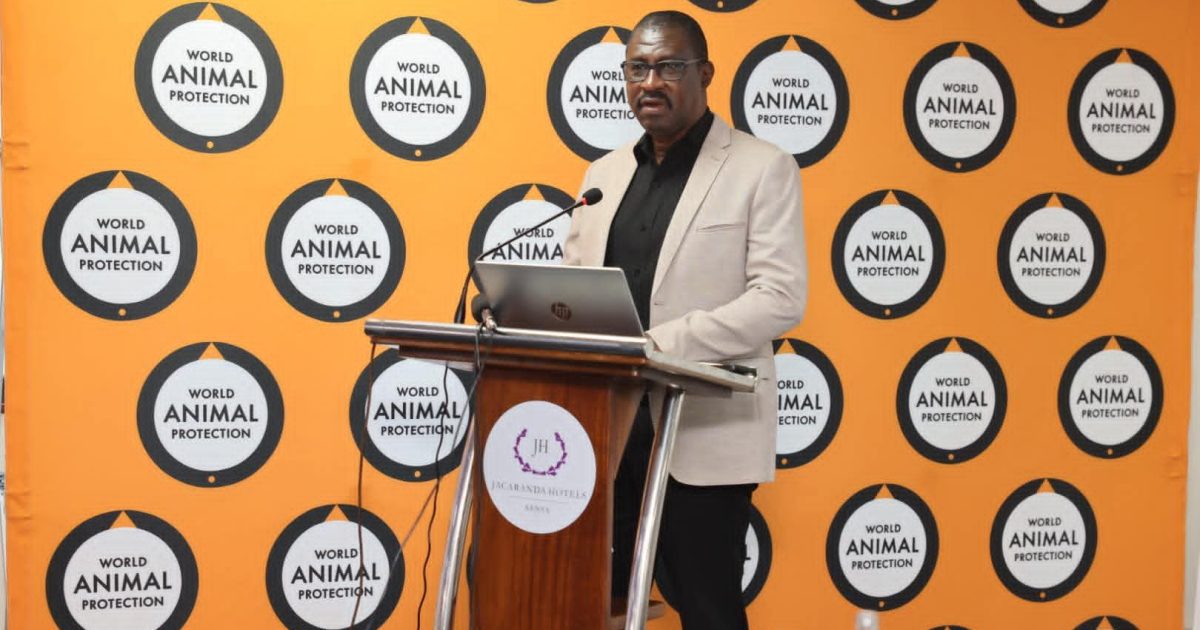
Research Manager at World Animal Protection and co-author of the study Patrick Muinde said the sharp increase in reptile exports was concerning due to its implications for animal welfare, sustainability, and public health.
“Most of these exports involve live animals, making this far more than a question of numbers. It raises concerns about sustainability and the risks associated with wildlife trade,” said Muinde during a media breakfast meeting in Nairobi.
He said while captive breeding is often presented as a sustainable alternative, the study noted that it might also create opportunities for illegal sourcing and increase the risk of zoonotic diseases.
Director for Africa at World Animal Protection Tennyson Williams said that legal trade does not automatically equal sustainable trade, noting that the question should not only be whether trade is permitted, it must also be whether animals are protected.
“If you continue to extract wildlife from its source, you are likely to deplete that source and that will create an imbalance in the ecosystem,” he said, adding that the organization does not support systems that treat wild animals as products where they are in legal market or illegal trade.
The researchers observed that Kenya’s position as both a source and transit hub for international wildlife trade makes regulation and transparency increasingly important, particularly as the country reviews wildlife legislation under the proposed Wildlife Conservation and Management Bill, 2025.
Globally, wildlife trade remains a multi-billion-dollar industry involving millions of animals each year.
The report recommends stronger regulation and traceability systems for captive breeding and ranching operations, regular animal welfare audits, improved biosecurity and disease surveillance measures and demand-reduction initiatives in importing countries.
By Anita Omwenga