Journalists in Kisumu County marked this year’s World Press Freedom Day 2026 with a blood donation and tree planting exercise.
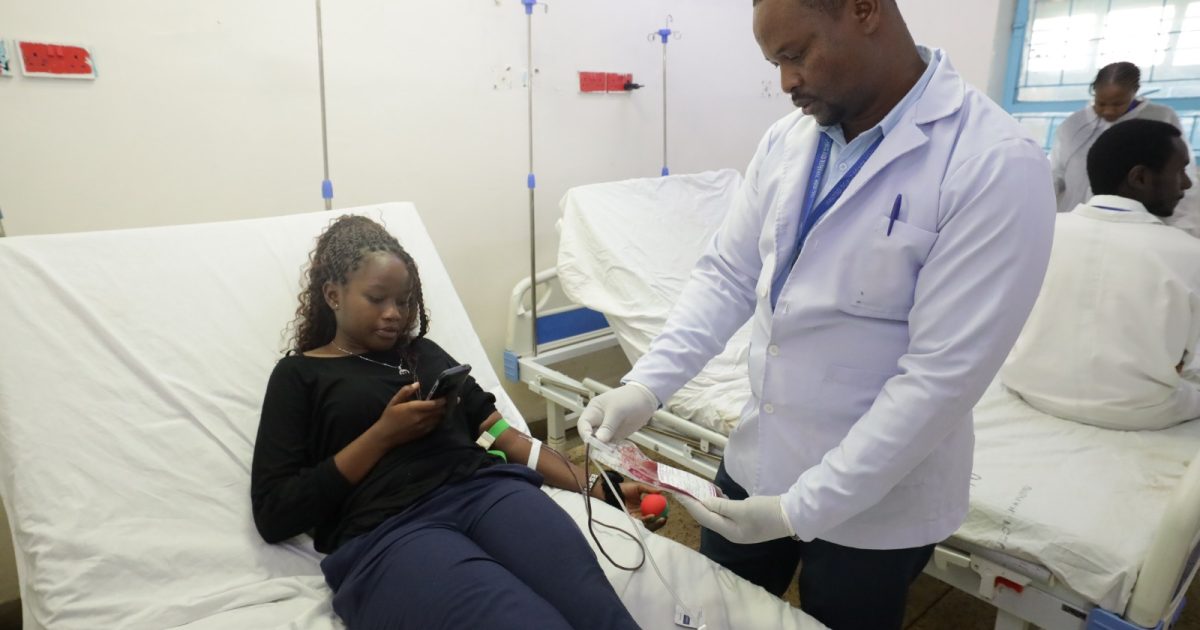
The scribes offered their own blood for patients at the Jaramogi Oginga Odinga Teaching and Referral Hospital (JOOTRH) at the lakeside city, in a move aimed at addressing critical social needs while reflecting on challenges facing the profession.
The initiative, organised by the Kisumu Journalists Network (KJN) in collaboration with JOOTRH’s Blood Transfusion Unit and the Kenya Forest Service, sought to help bridge persistent blood shortages in the region while promoting environmental conservation.
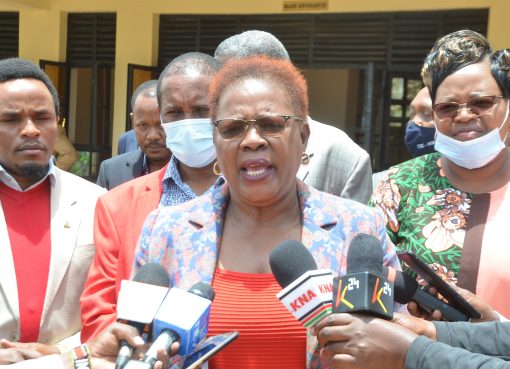
Speaking during the event, KJN Chairman Rushdie Oudia said the activity was both symbolic and practical, demonstrating that journalists can go beyond reporting to actively serve their communities.
“Today we gather not only to reflect on the challenges we have faced as journalists but also to give back to the community,” said Oudia.
He highlighted growing concerns over journalists’ safety, citing intimidation and interference from commercial interests and external actors, especially during the electioneering period.
He urged media practitioners to remain impartial while prioritising their safety.
“We have witnessed hostile campaigns and rising cases of violence. As journalists, we must support each other and call on politicians to uphold peace and avoid using youths to cause chaos,” he said.
Oudia also challenged security agencies to remain neutral when handling volatile situations and encouraged journalists to think beyond the newsroom by investing in sustainable livelihoods.
The commemoration comes under the global theme “A Press for the Planet”, which emphasises the media’s role in advancing environmental sustainability alongside its traditional watchdog function.
Media Council of Kenya Regional Coordinator Teddy Evans said the day offers an opportunity for journalists to reflect on both external and internal threats to press freedom.
“Press freedom is not only about attacks from politicians. Internal challenges, including delayed or non-payment of journalists by media houses, must also be addressed,” he said.
The event also featured a tree planting exercise led by Kisumu County Forest Conservator Joseph Kemei, who raised concern over the county’s low tree cover.
“Our tree cover currently stands between eight and 12 per cent, while forest cover is about 22 per cent,” said Kemei, urging the public to support the government’s ambitious 15 billion trees initiative.
At JOOTRH, health officials welcomed the exercise, noting that blood donation drives spearheaded by influential groups help demystify the process and encourage wider public participation.
Acting Chief Executive Officer Joshua Clinton Okise said the donations would go a long way in supporting critical services.
“Blood is an essential commodity in this hospital, particularly for our maternity and emergency units. As a level six facility, demand remains high,” he said.
Dozens of units were collected during the exercise, which organisers described as a value-addition approach where journalists not only highlight societal challenges but also take part in solving them.
The initiative underscored a shifting role for the media, positioning journalists not just as observers but as active participants in community development.
By Obed Atinga and Vallery Nyagaka