Lack of requisite information has been cited as a major challenge affecting the majority of widows across the country, especially when it comes to following up on inheritances from their deceased husbands.
Unaware of their legal rights, many of the widows, therefore, continue to face victimisation from land-grabbing cartels, at times resulting in illegal evictions.
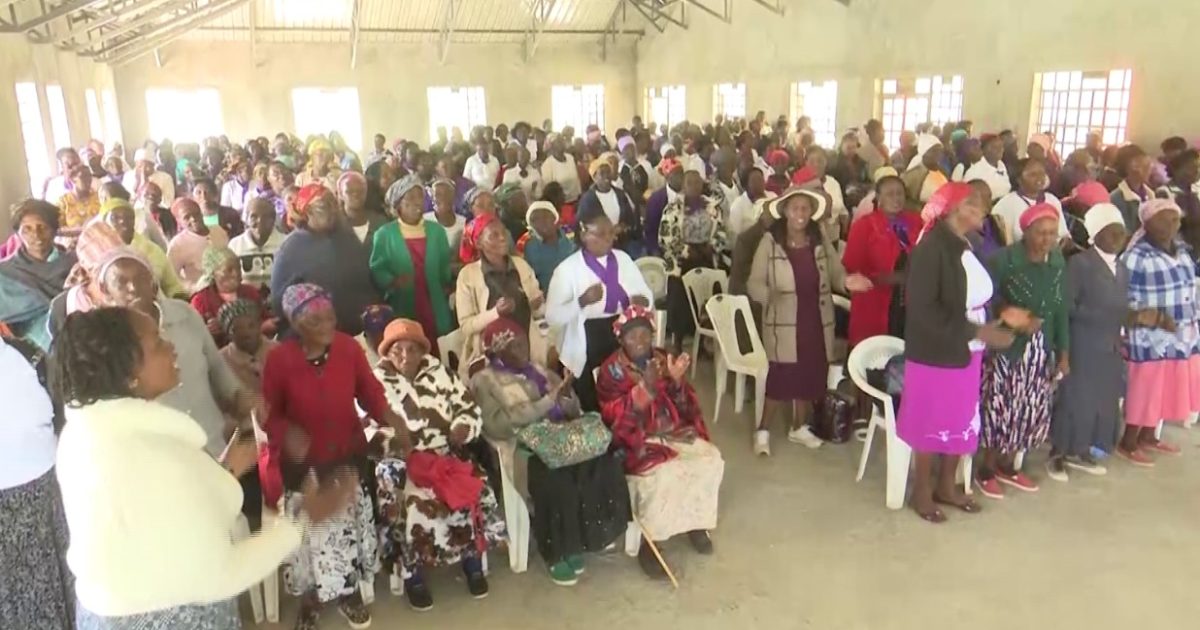
Nyandarua North Deputy County Commissioner Angeline Were, speaking at at Mairo Inya trading centre, Ndaragwa Constituency, during celebrations to mark this year’s International Widows Day, cited ignorance on succession processes, death registration and isolation by social welfare schemes as some of the stumbling blocks that many widows face, making them fail to protect what is rightly ‘theirs’.
Were noted that many widows encounter unprecedented challenges in their daily lives, including disinheritance, which ends up trapping them and their children in abject poverty.
Consequently, relevant stakeholders are now calling on the government to look into ways of protecting this vulnerable segment of our population.
Mary Njeri, the chairlady of the Nyandarua North Widows Association, underscored the need for concerted efforts to support widows, who have been left struggling to bring up their families on their own.
Njeri said some of them lacked knowledge and information on how to complete death registration forms, while others were yet to initiate succession processes, presumably due to the high cost involved by virtue of court fees and the long distances one has to travel to access civil registration offices, or even sheer intimidation from relatives of their departed husbands.
Worse still, others lack formal recognition, meaning they cannot access the government’s social protection monthly stipends, bursaries, or even health services. For them, loss of a spouse had effectively translated into loss of legal visibility.
During the forum, several other women described unwarranted pressures from the community to accept cultural practices they did not consent to, including forms of widow inheritance.
However, a section of leaders who attended the celebrations noted that widowhood should not trigger eviction, dispossession, or social isolation. It should not sever a woman from her home, children, or her livelihood.
The proposed Widowed Persons Protection Bill, therefore, offers a pathway towards restoring structural trust between vulnerable families and the institutions meant to serve them.
This aligns perfectly with the government mandate to promote equality, protect human rights and ensure that no Kenyan is ever rendered invisible, especially the most vulnerable.
By Esther Kibiro and Josephine Kalondu