The State Department for Public Health and Professional Standards has urged households, food vendors, and communities to uphold high food safety measures ahead of the expected El Niño-enhanced rains.
The Department warned that heavy rains, flooding, and high humidity experienced during previous El Niño seasons had been associated with increased cases of food-borne illnesses, including cholera, typhoid, and aflatoxin poisoning.
In an advisory issued by Principal Secretary Mary Muthoni Muriuki Monday, it was noted that floodwater could mix with sewage and contaminate shallow wells, boreholes, and piped water, particularly in low-lying areas.
It also warned that high humidity could accelerate mold growth on maize, groundnuts, and animal feeds, increasing the risk of aflatoxin contamination.
The PS said that power outages could disrupt cold chains, resulting in the spoilage of milk, meat, and leftovers stored in refrigerators and freezers, while flooding in major markets could expose food to dirty water, mud, and flies.
“Households are advised to stock water treatment products such as WaterGuard and chlorine tablets, clean and cover water storage tanks and jerrycans, and maintain a separate covered container for drinking water,” Muriuki added.
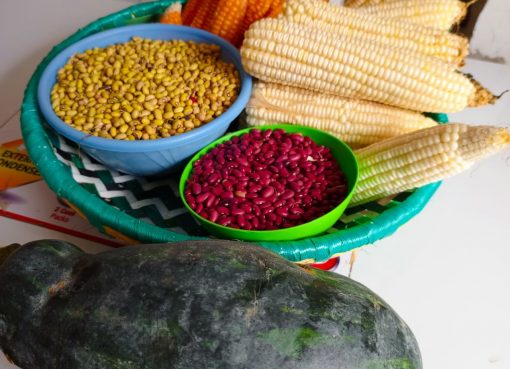
She further urged households to ensure maize flour, maize grains, groundnuts, and beans are completely dry and stored off the floor on pallets or shelves in airtight containers.
Those with old stocks of cereals from the previous season were advised to sun-dry them before the rains begin.
The Department has also urged households to stock soap, handwash, and sanitizer and use airtight containers to store leftovers.
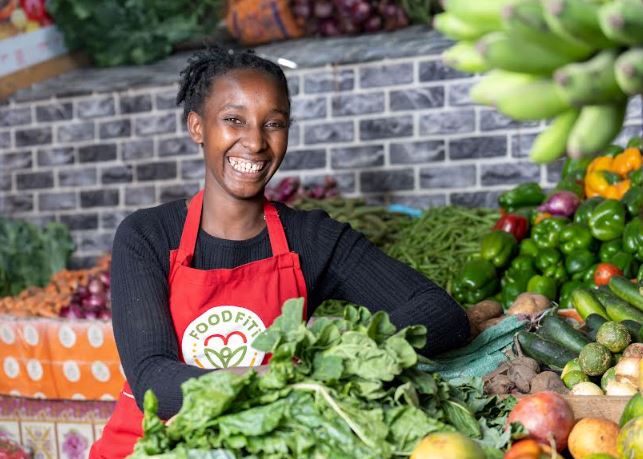
Food businesses and traders, including Mama Mbogas, were advised to keep food raised off the ground and covered, ensure proper drainage around their stalls, and have valid food-handler medical certificates as county inspections increase.
Families with children under five and elderly people were urged to promote handwashing with soap before eating.
Community Health Promoters (CHPs) and Nyumba Kumi structures were also asked to organize drainage clean-ups, unclog trenches, and sensitize communities on boiling water before the rains.
The department urged Kenyans to prepare early to protect food and prevent illness during the rainy season.
The Kenya Meteorological Department has warned that up to 46 out of 47 counties are at risk, with over 1.5 to 2 million people potentially affected by severe weather.
By Wangari Ndirangu