Fifteen countries from Africa, Asia, the Caribbean, Europe, and the Pacific have adopted the Mombasa Declaration at the 11th Our Ocean Conference, committing to strengthen global fisheries transparency and intensify the fight against illegal, unreported, and unregulated (IUU) fishing.
The declaration, endorsed in Nairobi, seeks to improve ocean governance through enhanced access to fisheries data, better vessel tracking systems, and improved transparency in licensing and ownership of fishing vessels. It is anchored on the Global Charter for Fisheries Transparency, which outlines 10 low-cost and practical policy principles aimed at improving accountability in the fisheries sector.
The signatory countries include Belgium, Cameroon, Chile, the Dominican Republic, France (on behalf of its overseas territories), The Gambia, Ghana, Guinea, Liberia, Panama, Papua New Guinea, Peru, Republic of the Congo, Somalia, and South Korea.
Once adopted, participating countries will begin implementing the commitments immediately, with a global campaign launched to encourage additional nations to join ahead of the next Our Ocean Conference scheduled for 2027.
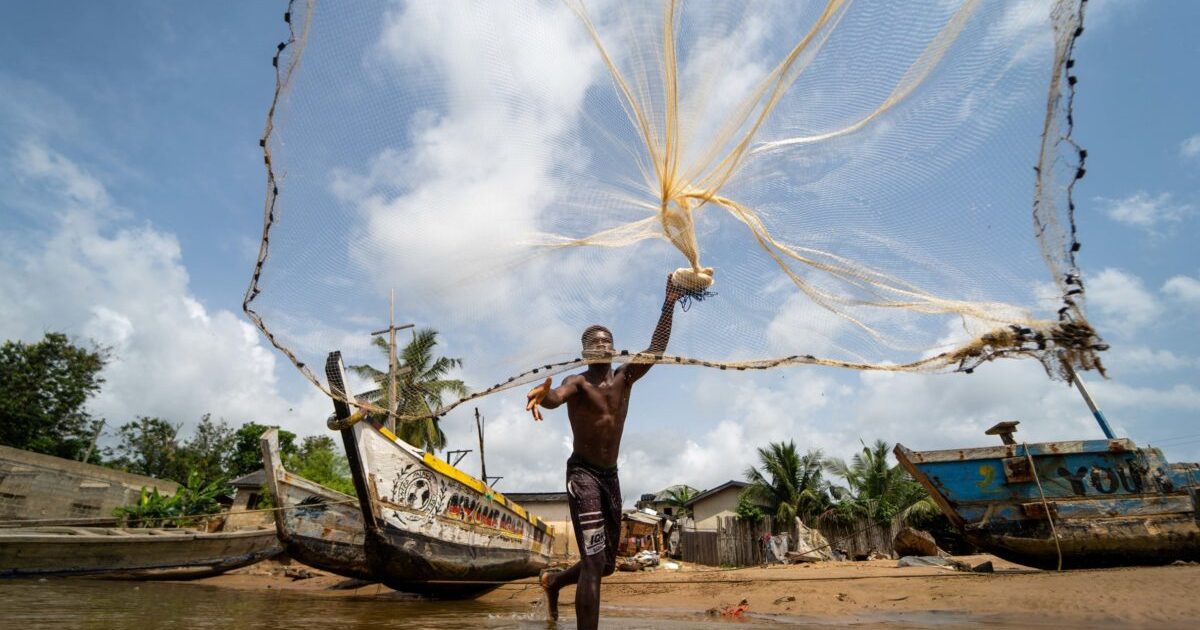
Coastal communities, small-scale fishers, and economies dependent on marine resources are among those most affected by IUU fishing, which continues to threaten livelihoods, food security, and marine biodiversity. Experts estimate that illegal fishing costs the global economy up to $50 billion annually, while also contributing to declining fish stocks and undermining ocean governance systems.
The Mombasa Declaration seeks to address these challenges by promoting practical transparency reforms such as modernizing vessel registries, publishing fishing authorizations, and strengthening data-sharing mechanisms between states. These measures are expected to improve enforcement, enhance accountability, and support sustainable management of marine resources.
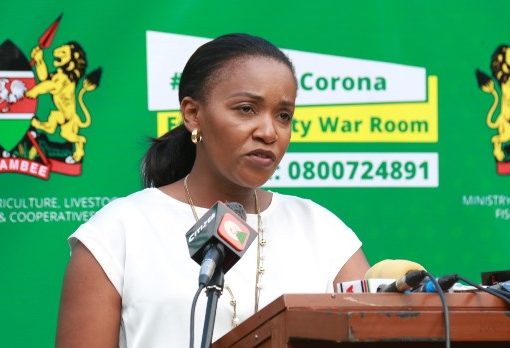
Speaking during the conference, Ghana’s Minister of Fisheries and Aquaculture, Emelia Arthur, said fisheries remain central to her country’s food security and economy.
“Sixty percent of our animal protein comes from fish, and ten percent of our population depends on the fisheries value chain for livelihood. Fisheries are a matter of culture and national security for us,” she said.
Arthur welcomed Ghana’s participation in the declaration, noting that it provides a platform for international collaboration in advancing transparency in the fisheries sector.
France’s Minister Delegate for the Sea and Fisheries, Catherine Chabaud, also expressed support for the initiative, saying transparency and cooperation are essential in tackling illegal fishing.
“We will not be able to effectively combat IUU fishing without greater transparency and international cooperation,” she said, adding that France’s overseas territories are part of the commitment.
She said the declaration offers governments an opportunity to demonstrate political will in improving fisheries governance and encouraged more countries to join the initiative.
The Mombasa Declaration was developed with support from the Coalition for Fisheries Transparency and partner institutions working to promote accountability in global fisheries governance. It emphasizes practical reforms such as improved vessel identification systems, disclosure of fishing licenses, and enhanced monitoring of fishing activities.
According to experts, IUU fishing remains a major global challenge that distorts markets, weakens ocean governance, and undermines coastal livelihoods. It is also associated with human rights abuses, including forced labor and unsafe working conditions at sea.
Director of the Coalition for Fisheries Transparency, Maisie Pigeon, said the growing momentum behind the declaration reflects a global shift toward stronger ocean governance.
“The countries signing the Mombasa Declaration represent a diverse range of economies and geographies, demonstrating that momentum for transparency at sea is truly global,” she said.
She added that collaboration will be key in advancing meaningful fisheries reforms and ensuring long-term sustainability of marine ecosystems.
Vice President of Oceana, Beth Lowell, said lack of transparency has allowed illegal fishing practices to thrive for too long.
“Transparency is essential to protecting our oceans and the livelihoods of those that depend on them,” she said, noting that the declaration signals a global willingness to confront illegal fishing.
Steve Trent, Chief Executive Officer of the Environmental Justice Foundation, said transparency is critical in exposing abuses and restoring trust in fisheries management systems.
“I applaud the leadership of every state endorsing the Mombasa Declaration today, and urge others to follow,” he said.
Global Fishing Watch Chief Executive Officer Tony Long said the declaration marks a turning point in addressing illegal fishing.
“When governments commit to transparency—sharing vessel identities, ownership and tracking data—they create an interconnected network where bad actors have nowhere left to hide,” he said.
He added that digital tools and open data systems will play a central role in strengthening monitoring and enforcement capacity.
Bloomberg Philanthropies Environment Programme Lead Antha Williams said the initiative reflects a shared global commitment to sustainable fisheries management.
“By improving access to reliable data, governments can make better decisions to manage marine resources,” she said, adding that the initiative will support coastal communities and protect marine ecosystems.
The Mombasa Declaration is expected to strengthen international cooperation in addressing IUU fishing while promoting a more transparent, equitable, and sustainable ocean economy.
By Anita Omwenga