The County Government of Nakuru is working with a multi-agency team to coordinate a response to the anticipated moderate-to-heavy El Niño rains expected later this year.
The team is overseeing the implementation of urgent preparedness measures aimed at minimizing the impact of flooding and other climate-related disasters associated with the anticipated heavy rains.
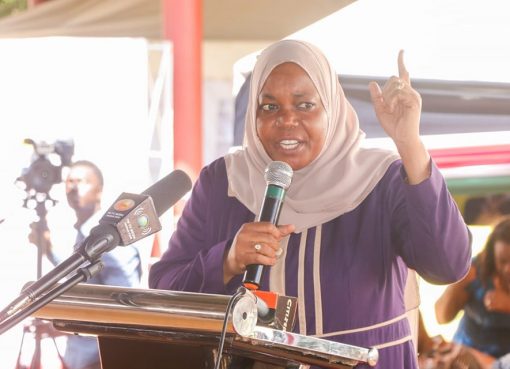
Chief Officer for Disaster Management and Humanitarian Assistance, Ms Joyce Ncece, assured Nakuru residents that the multi-agency team was laying down adequate measures in anticipation of the El Nino rains expected between October and December this year.
Ms. Ncece disclosed that the devolved unit will commence immediate dredging and desilting works along the Marimanet River and its banks within Naivasha Sub-County.
She said the joint operation will also engage on unblocking culvert bottlenecks extending from Kipkonyo Village toward Crater, interventions expected to enhance water flow and help minimize flooding risks to homes, farms, roads, and other critical infrastructure.
The chief officer assured that technical teams were carrying out structural integrity assessments on bridges across the 11 Sub-Counties to evaluate drainage clearance and reinforce vulnerable crossings prior to the onset of heavy rainfall.
The Chief Officer explained that they were jointly working with relevant State agencies and county departments in conjunction with the State Department for Special Programmes and humanitarian agencies to ensure that in the event of the forecasted rains they are not caught flatfooted.
She indicated that they had held discussions on mapping the internal resources available within committee members, mitigation measures, the relay of information to the public, strengthening interdepartmental coordination, and identifying priority interventions.
Scientists contend that El Nino as part of a larger climate cycle is a naturally occurring climate phenomenon characterized by the abnormal warming of the Pacific Sea surface temperatures.
The World Meteorological Association warns that the El Nino climate phenomenon could bring droughts, flooding, heat waves and displacement of people around the world later this year.
The international weather agency warned that the anticipated heavy rainfall could have far reaching consequences across many sectors including transportation, agriculture, health and infrastructure.
The national government has activated an Ad Hoc Cabinet Committee on El Nino preparedness that will also support the devolved governments.
Ms Ncece stated that early preparedness and timely action remain essential in reducing the impacts of El Nino rains thus averting humanitarian crises and protecting livelihoods.
The County Government has further pledged that it will work with the national government to coordinate farmer advisories to help cushion the agriculture sector from potential losses.
The move is aimed at strengthening national resilience and ensuring better coordination among Government agencies ahead of the expected weather disruptions.
Kenya continues to enhance climate preparedness following previous episodes of devastating floods that displaced families, destroyed infrastructure and disrupted economic activities in several parts of the country.
Ms Ncece noted that early planning and inter-agency coordination will be critical in protecting lives, safeguarding property and ensuring continuity of essential services during the El Niño season.
She said the measures are aimed at strengthening national preparedness and ensuring a coordinated response ahead of the anticipated El Niño season.
Kenya is among 22 countries around the world that could be badly affected by a powerful El Niño that is developing and is expected to grow stronger in the coming months.
A new report by the Food and Agriculture Organization (FAO) and the World Food Programme (WFP) warns that millions of people could face threats to their food supplies and livelihoods unless governments and aid agencies act early.
The report says Kenya is among countries facing a high risk of climate-related shocks linked to El Niño between late 2026 and early 2027.
The Food and Agriculture Organization (FAO) and the World Food Programme (WFP) agencies are asking donors to provide $202 million (Sh26 billion) to help vulnerable communities prepare before disasters strike. They say acting early can save lives, protect crops and reduce future humanitarian costs.
For Kenya and other countries in Eastern Africa, the report warns that the biggest threat is likely to be unusually heavy rainfall and flooding.
It notes that El Nino affects different parts of Eastern Africa in different ways. While some areas may experience reduced rainfall, countries in the Horn of Africa, including Kenya, face a greater risk of floods.
Flooding could damage farms, destroy infrastructure, spread livestock diseases and force families to leave their homes.
Kenya appears on a list of priority countries identified by FAO and WFP for urgent support and preparedness efforts before the worst effects are felt.
The agencies selected the countries based on historical El Nino weather patterns, climate forecasts, food insecurity levels, agricultural calendars and their readiness to respond.
By Esther Mwangi and Jepther Afuyo