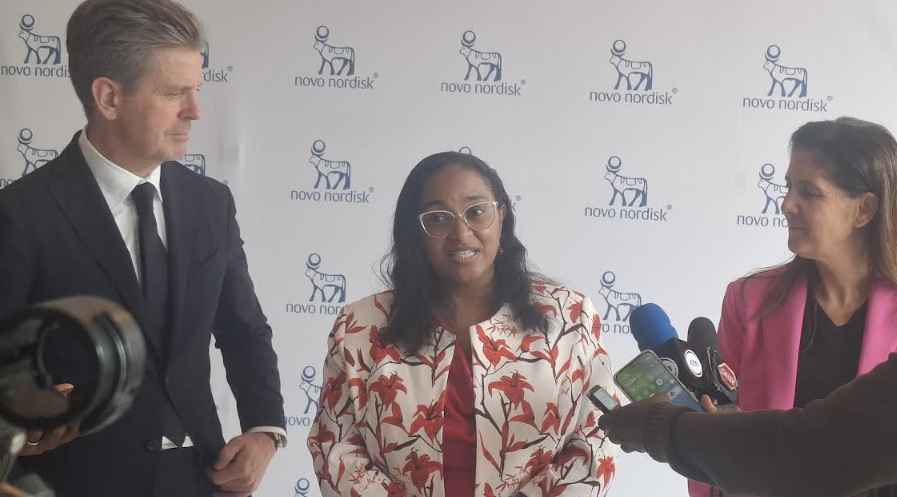
Two new medicines for the treatment of Type 2 diabetes and obesity have been launched in Kenya, with health experts calling for greater emphasis on early diagnosis and preventive care as the burden of non-communicable diseases continues to rise.
Ozempic, used in the treatment of type 2 diabetes, and Wegovy, used in the management of obesity, were officially introduced into the Kenyan market today by Novo Nordisk, alongside training for healthcare professionals on their use and available patient support programmes.
Dr. Rosslyn Ngugi, an endocrinologist and President of the Kenya Diabetes Study Group, said Kenya’s diabetes burden could be significantly underestimated, with up to 60 percent of people living with diabetes believed to be undiagnosed.
She said diabetes prevalence in Kenya was estimated at between 3.3 and 4.5 per cent, while obesity affected up to 30 percent of the population.
“The problem is that up to 60 per cent are undiagnosed,” Ngugi said, noting that many patients only discover they have high blood sugar after developing other complications.
Ngugi noted that obesity was a major driver of diabetes, hypertension, cardiovascular disease, and chronic kidney disease, calling for a shift from reactive treatment to preventive healthcare.
She explained that many patients with diabetes and hypertension eventually develop chronic kidney disease, placing a significant burden on the health system through management of complications that could potentially be prevented through early intervention.
The endocrinologist said the introduction of the medicines presented an opportunity to improve management of obesity and diabetes while urging insurance companies, policymakers, and the government to consider wider access to treatment.
According to Ngugi, Novo Nordisk has significantly reduced the price of the medicines, making affordability less of a barrier, although access and appropriate prescribing remain important considerations.
The Denmark Ambassador to Kenya, Stephan Schonemann, said the launch demonstrated the potential of partnerships between governments, researchers, and the private sector to strengthen healthcare.
He emphasised the importance of early diagnosis, effective patient follow-up, and evidence-based treatment.
The ambassador noted that life expectancy in Denmark was about 82 years compared with about 64 years in Kenya, saying stronger health systems could contribute to longer lives.
Malika De Maillard, Head of the Africa Business Area at Novo Nordisk, said more than 58 million patients globally had been exposed to Ozempic or Wegovy, reflecting what she described as a major unmet medical need among people living with type 2 diabetes, overweight, and obesity.
She said the medicines supplied to Kenya would meet the same quality standards applied to the company’s products elsewhere, emphasizing efficacy, quality, and safety.
De Maillard described obesity as a major contributor to more than 200 diseases, including diabetes, cardiovascular and kidney diseases, and sleep apnea.
“I want to urge patients to view type 2 diabetes and obesity as chronic conditions requiring sustained management rather than short-term treatment,” she said but also cautioned against relying on social media claims about the medicines, saying safety and effectiveness should be assessed on the basis of scientific evidence and established safety data.
Endocrinologist Dr. Nicola Okech warned that excess weight is closely linked to poor blood sugar control and other metabolic conditions, calling for obesity to be treated as a chronic disease rather than simply advising patients to lose weight.
She added that obesity causes chronic low-grade inflammation and is a major risk factor for type 2 diabetes and cardiovascular and liver diseases, among other serious conditions.
“The rising prevalence of obesity is likely to increase pressure on Kenya’s health system, particularly as many patients meet the cost of investigations and treatment out of pocket. Limited access to obesity specialists, stigma, and inadequate consultation time also hamper comprehensive care,” Dr. Okech said.
According to the national STEPS, a standardized method for collecting, analyzing, and disseminating data on non-communicable disease (NCD) risk factors survey data cited by Dr. Okech, about one-third of Kenya’s adult population is living with overweight or obesity, increasing the risk of conditions such as diabetes and hypertension and placing an additional burden on individuals, families, and the health system.
The launch today comes as Kenya grapples with an increasing burden of non-communicable diseases, with health experts calling for stronger prevention, early diagnosis, and access to appropriate treatment.
By Wangari Ndirangu