Kirinyaga County Commissioner Shufaa Omar Mwijuma has warned parents and guardians who neglect their children that they risk prosecution under the law, as the government intensifies efforts to address the growing number of street children in the county.
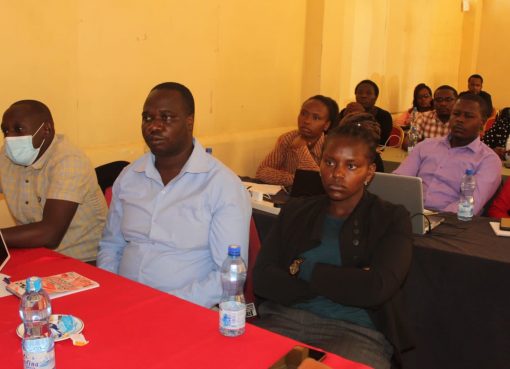
Speaking during a security forum attended by residents of Mwea East Sub-county, Mwijuma expressed concern over the number of children living on the streets, particularly in Mwea and Kagio towns. She attributed the situation largely to parental neglect and called for immediate intervention to safeguard the welfare of affected children.
The county commissioner directed chiefs and their assistants to undertake a comprehensive profiling exercise of street children within their areas of jurisdiction.
She said school-going children identified during the exercise should be returned to school, while parents or guardians found to have neglected their responsibilities would face legal action.
“Chiefs, you will help me profile them, send them back to school, and where investigations establish that parents have abandoned their responsibilities, the law will take its course,” Mwijuma said.
She further instructed local administrators to work closely with the Department of Children Services to ensure that vulnerable children receive the necessary support and protection.
According to the commissioner, there is no defense for child neglect, particularly at a time when the government has put in place programmes aimed at supporting children’s welfare.
The directive comes amid growing concern over reported cases of missing children in various parts of the county, with authorities seeking to establish whether some of the “lost” children end up living on the streets.
Mwijuma said the government remains committed to eliminating the phenomenon of street families and ensuring that all children are provided with a safe environment, access to education, and opportunities for a better future.
She also revealed that authorities have encountered a unique challenge in Kagio town, where some individuals commonly referred to as street children are actually adults aged above 18 years.
“In some cases, those found on the streets are above the age of 18. For such individuals, the law will take its course because they fall under a different legal framework,” she said.
She called for a coordinated approach involving government agencies, local leaders, parents, and the wider community to address the root causes of the problem and ensure that children are protected from neglect and exploitation.
By Mutai Kipng’etich