For many schoolgirls in Kwale County, menstruation remains more than a monthly biological process, but a barrier to education, confidence and opportunity.
Despite growing awareness of menstrual health, many girls in rural communities continue to miss classes or struggle through school days because they cannot afford sanitary products.
Some remain seated for hours, afraid to stand up in case menstrual blood has stained their uniforms. Others choose to stay home altogether, sacrificing valuable learning time every month.
For Anne Rukia, a parent from Chigombero village, the challenge is one she has witnessed firsthand.
“Many girls suffer quietly during their periods. Some are afraid to move around in class because they fear being embarrassed if they stain their uniforms,” she said.
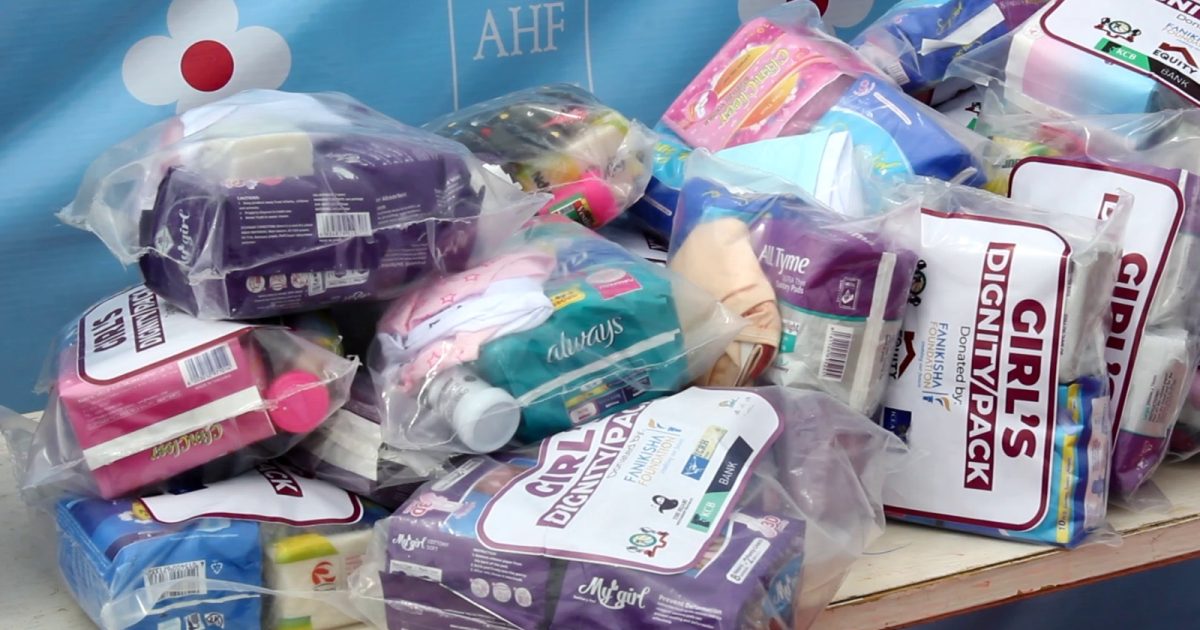
Rukia says access to sanitary products remains difficult for many families grappling with poverty. “We appreciate organizations and government programmes that distribute sanitary pads in schools because many parents are unable to buy them regularly,” she added.
According to AIDS Healthcare Foundation (AHF), nearly 500 million people globally experience period poverty due to inadequate access to menstrual products, sanitation facilities and menstrual health information. Stakeholders warn that the effects of period poverty extend beyond missed school days.
Health experts say girls who lack access to sanitary products are at greater risk of poor academic performance, low self-esteem, and exploitation.
AHF Kenya Coast Regional Medical Manager Dr. Hamza Bulhan says economic hardship can push some vulnerable girls into risky situations.
“When girls cannot afford basic menstrual products, some become vulnerable to exploitation. This can contribute to school dropout, teenage pregnancy and increased risk of HIV infection,” he said.
Bulhan noted that young people aged between 15 and 34 years continue to account for a significant proportion of new HIV infections in the country.
The challenge has prompted increased calls for community involvement in addressing menstrual health issues.
Parents are now being encouraged to openly discuss menstruation and support their daughters instead of treating the subject as a taboo.
Frank Mutisya, a parent from Samburu Sub-county, says many fathers have traditionally left menstrual health matters to women.
“Many men do not know how to support their daughters. We need more education in our communities so that fathers can also play a role,” he said.
Development partners working in the region argue that improving access to sanitary products can help keep girls in school and protect them from vulnerability.
AHF Kenya Coast Regional Prevention Programme Coordinator Joseph Wachira said menstrual health interventions should be viewed as investments in education and public health.
“When a girl has access to sanitary products, she is more likely to attend school consistently and less likely to face risks associated with exploitation,” he said.
Kwale County officials also expressed concerns over teenage pregnancy rates, noting that keeping girls in school remains critical to improving their future prospects.
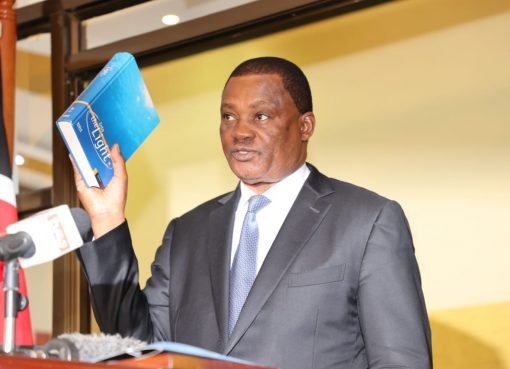
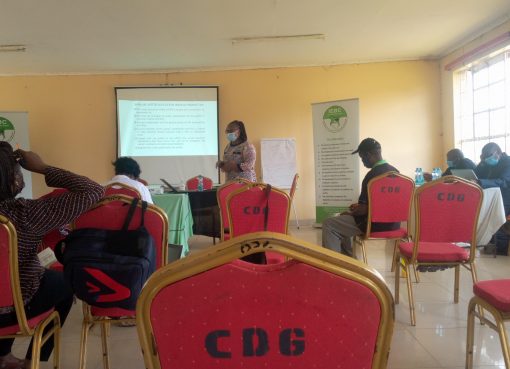
Representing Governor Fatuma Achani during a menstrual health awareness programme, Director of Social Services and Talent Management Samson Mangale Nyawa said all stakeholders must work together to address challenges affecting adolescent girls.
“The future of our girls depends on the actions we take today. Parents, schools, health workers and policymakers all have a role to play,” he said.
AHF Girls Act Programme Leader Joanne Muema said menstrual health should be recognised as a matter of dignity and human rights.
“No girl should feel ashamed because of a natural biological process. Every girl deserves access to safe and dignified menstrual care,” she said.
She called for increased investment in menstrual health education and the provision of sanitary products to vulnerable girls.
As communities continue to break the silence surrounding menstruation, advocates say tackling period poverty requires sustained efforts beyond awareness campaigns.
For many girls in Kwale, access to a packet of sanitary pads can mean the difference between missing school and pursuing their dreams.
by Chari Suche