The government has committed to strict accountability in the distribution of relief food and nutrition supplies to ensure humanitarian assistance reaches vulnerable families affected by food insecurity in Marsabit County.
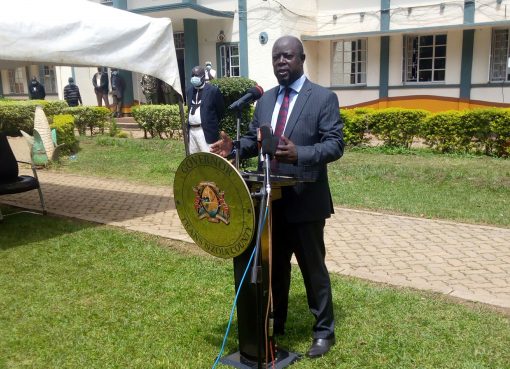
Marsabit County Commissioner Stanley Kamande said relief food is intended to save lives and restore the dignity of people facing hunger and must never be diverted or misused.
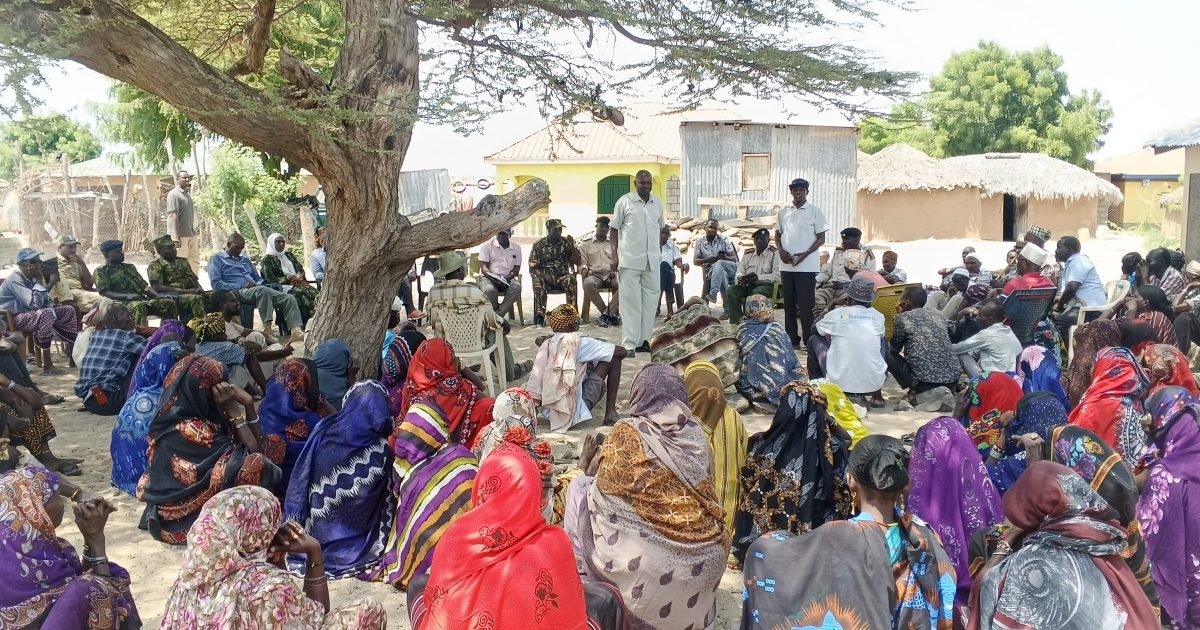
Speaking during a series of public participation forums in the county organised by the World Food Programme (WFP) in collaboration with the National Government Administration, Kamande said the government is committed to safeguarding humanitarian assistance through stronger accountability, transparency and community participation.
The week-long forums were held in Moyale, Sololo, North Horr and Loiyangalani sub- counties and brought together officials from the national and county governments, the Ministry of Health, the county security team, humanitarian agencies and community representatives to discuss food security, nutrition and measures to strengthen transparency in relief programmes.
Kamande said Marsabit continues to experience recurrent food insecurity due to prolonged drought, climate change and other emergencies, making humanitarian assistance critical to thousands of vulnerable households.
He commended the World Food Programme, UNICEF and other development partners for their continued support, saying their interventions have helped save lives, improve nutrition and strengthen the resilience of communities affected by climate-related shocks.
The County Commissioner urged all agencies involved in food distribution to uphold integrity and accountability by ensuring every consignment reaches the intended beneficiaries.
Kamande also encouraged residents to work closely with government agencies, local leaders and humanitarian organisations by reporting any cases of diversion, theft or misuse of relief food.
“Relief food is not a commercial commodity. It is meant to save lives and restore dignity to people facing hunger. Anyone found selling or diverting relief food will face the full force of the law,” Kamande warned.
He reminded the public that Ready-to-Use Therapeutic Food (RUTF) and Ready-to-Use Supplementary Food (RUSF) are specialised nutritional products intended for the treatment of acute malnutrition among children under five years, as well as pregnant and breastfeeding women.
Kamande urged families to ensure the products are used strictly as prescribed by health professionals so that the targeted beneficiaries receive nutritional benefits.
He said the government would continue strengthening monitoring systems through enhanced surveillance, improved record-keeping and closer collaboration with local leaders and humanitarian partners to build public confidence in relief programmes.
According to the County Commissioner, effective accountability mechanisms are essential in ensuring limited humanitarian resources reach those most in need.
Residents who attended the forums welcomed the government efforts and praised humanitarian partners for supporting communities struggling with the effects of prolonged drought and changing weather patterns.
Mohamed Adano, a resident of Funanyata village in Moyale Sub-county, said food assistance from the government and development partners had enabled many vulnerable families to cope with persistent food shortages.
He appealed for continued support, noting that many households remain dependent on relief food because of recurring drought.
An Early Childhood Development Education (ECDE) teacher from North Horr, Hellen Huka, said improved nutrition among children had contributed to increased school enrolment and better retention rates.
She observed that school feeding and nutrition programmes have enabled more children to attend classes consistently while improving their overall health and learning outcomes.
Residents also pledged to support government efforts aimed at promoting transparency and accountability in relief food distribution.
Guyo Tadi from North Horr Sub- County said the community was committed to working with government agencies and humanitarian organisations to ensure relief assistance reaches deserving beneficiaries.
He noted that active community participation would help eliminate cases of diversion while strengthening confidence in humanitarian programmes.
Participants described the week-long public engagements as a unique opportunity that brought together government officials, humanitarian organisations and local communities to discuss practical measures for protecting relief supplies and improving food security.
The forums concluded with a renewed commitment by all stakeholders to strengthen accountability mechanisms, enhance collaboration and safeguard humanitarian assistance for vulnerable families affected by climate-related challenges across Marsabit County.
By Sebastian Miriti and Anthony Melly