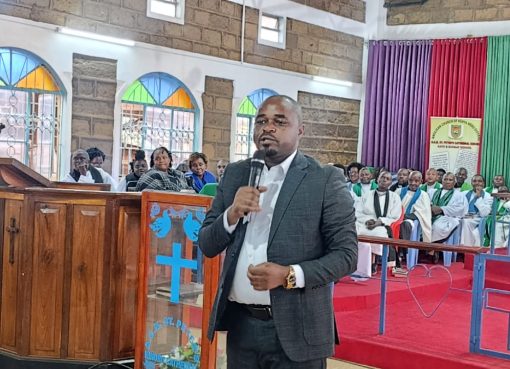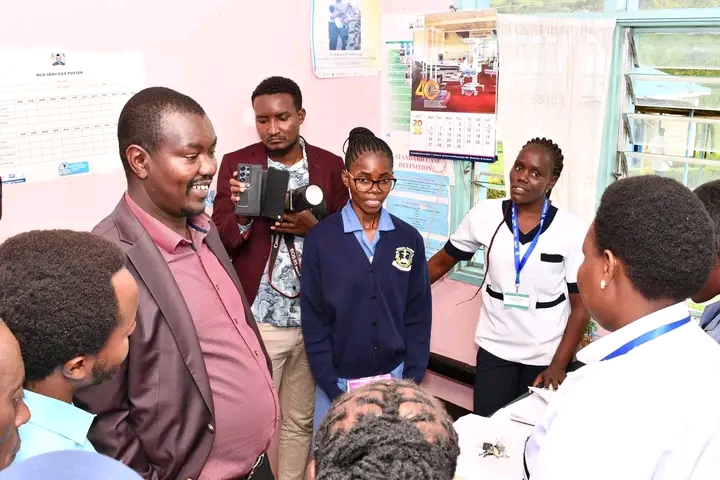
The Senate Health Committee has called for reforms in the healthcare system following an oversight visit to Meteitei Sub-county Hospital in Tinderet, where gaps in staffing, infrastructure, and medical supplies, were brought to the forefront during the inspection tour.
The Committee, led by Chairperson, Jackson Mandago, visited the facility alongside Nandi County Executive Committee Member for Health, Dr. Josephine Kurgat, senior county health officials, and members of the Hospital Administration, assessing service delivery across key departments, including the Outpatient Unit, Maternity Wing, Laboratory Services, Pharmacy, and Casualty Section.
Speaking during the visit, Senator Mandago expressed concern over the strained capacity of the facility, noting that Sub-county hospitals remain the first point of contact for most rural patients, yet continue to operate under severe resource limitations.
“We cannot talk about Universal Health Coverage, when facilities at the grassroots are still struggling with basic supplies and adequate personnel,” said Senator Jackson Mandago.
“What we have seen here is not unique to Meteitei; it reflects a national challenge that must be addressed urgently and systematically,”
He added that the Senate Health Committee would compile a detailed report highlighting both immediate and structural issues affecting service delivery, which will be tabled in the Senate for debate and possible policy intervention.
“This oversight is not just a routine exercise. It is about accountability. We will ensure that the issues raised here translate into actionable recommendations and that counties are held responsible for service delivery,” he added.
During the inspection, the Medical Superintendent, Meteitei Sub-county Hospital, Dr. Peter Kiplagat, guided the Committee through the facility’s operational challenges, pointing out shortages of essential drugs, limited diagnostic equipment, and inadequate space in critical wards, especially maternity and pediatric sections.
Dr. Kiplagat noted that the facility continues to experience high patient turnout, which often overwhelms available resources.
“We serve a very large catchment population, and the demand keeps rising every day. Unfortunately, our staffing levels and supplies have not grown at the same pace,” he said.
He further highlighted delays in referral processes due to transport limitations, which sometimes compromise emergency care.
“We have had cases where patients need urgent referral to higher-level facilities, but the lack of an ambulance or fuel delays critical intervention,” he added.
Ruth Koech, the Nandi County Executive Committee Member for Health (CECM), acknowledged the challenges and attributed some of the gaps to budgetary constraints and delayed disbursement of funds from the National government.
“We recognize the gaps that exist, and as a county government, we are actively working on recruitment of additional healthcare workers and improving supply chain systems for medicines,” said Koech.
She added that infrastructure upgrades were being prioritized under the county’s current health investment plan.
“We are in the process of upgrading several facilities, and Meteitei is among those identified for improvement. Our goal is to ensure that no patient is turned away due to lack of capacity,” she said.
Members of the Senate Committee also interacted with frontline health workers, including Senior Nurse, Lydia Cheruiyot, who painted a picture of overwhelming workloads and staff shortages affecting service delivery.
“We are doing our best under difficult circumstances. At times, one nurse is left handling many patients in different wards, which is not sustainable,” said Lydia Cheruiyot. “We need more staff and better working conditions to deliver quality care.”
The Committee also examined the pharmacy section, where concerns were raised about inconsistent supply of essential medicines, forcing patients to purchase drugs from private outlets.
Mandago reiterated that such gaps undermine the broader goal of achieving accessible and affordable healthcare.
“When a patient comes to a public hospital, they should not be sent away to buy medicine elsewhere. That defeats the purpose of public health service delivery,” he said.
He further emphasized that county governments must prioritize health in their budgeting processes, warning that delays in addressing systemic challenges, worsen outcomes for vulnerable populations.
“The Senate will not sit back and watch as citizens suffer due to avoidable inefficiencies. Health is a fundamental right, and it must be treated as such,” he said.
As the inspection concluded, the Committee stated that the findings from Meteitei Sub-County Hospital will form part of a broader national report aimed at strengthening healthcare systems in devolved units.
The Committee is expected to present its consolidated recommendations in the Senate in the coming weeks, focusing on staffing, infrastructure investment, medical supply chains, and emergency response systems across sub-county hospitals.
By Sammy Mwibanda